


The Middle East is one of the most historically rich regions in the world. Known as the birthplace of ancient civilizations, religions, trade routes, and empires, the region is home to extraordinary historical landmarks that attract millions of travelers every year. From ancient cities carved into stone to centuries-old mosques, palaces, and archaeological wonders, the Middle East offers unforgettable experiences for history lovers and cultural explorers.
Whether you are fascinated by ancient architecture, religious heritage, or archaeological discoveries, the Middle East provides a journey through thousands of years of human history. This guide explores the top historical places to visit in the Middle East, including famous landmarks, cultural significance, travel tips, and must-see attractions.
Why Visit Historical Places in the Middle East?
The Middle East has played a major role in shaping world history, religion, science, and trade. Exploring historical sites in this region allows travelers to experience:
- Ancient civilizations
- Islamic architecture
- Biblical and religious landmarks
- UNESCO World Heritage Sites
- Historic markets and fortresses
- Archaeological wonders
Many destinations in the Middle East blend ancient history with modern luxury, creating a unique travel experience unlike any other region in the world.
Petra, Jordan
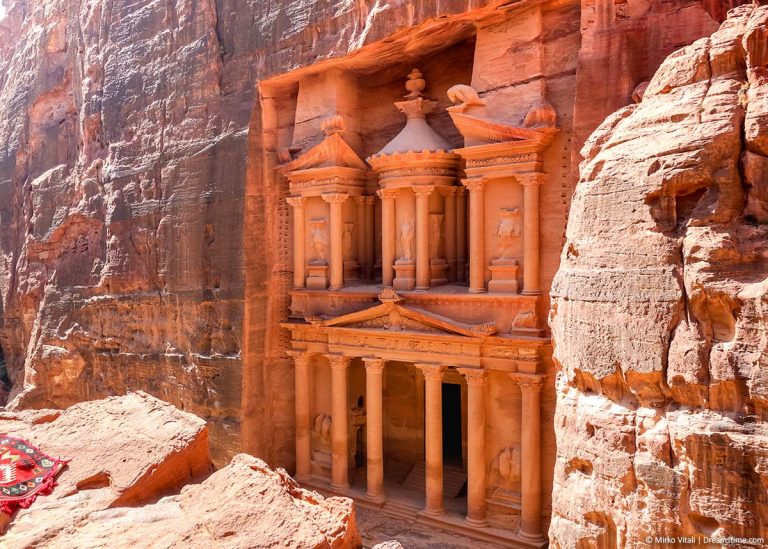
One of the most famous archaeological sites in the world, Petra is an ancient city carved into pink sandstone cliffs.
Why Petra Is Special
Known as the “Rose City,” Petra was once the capital of the Nabataean Kingdom and an important trade center.
Highlights include:
- The Treasury
- Monastery
- Royal Tombs
- Siq Canyon
Walking through the narrow Siq and seeing the Treasury appear dramatically from the rock walls is one of the most iconic travel experiences in the world.
Petra is also recognized as one of the New Seven Wonders of the World.
Pyramids of Giza, Egypt
The Pyramids of Giza are among the oldest and most recognizable monuments in human history.
Main Attractions
- Great Pyramid of Khufu
- Pyramid of Khafre
- Pyramid of Menkaure
- The Great Sphinx
These ancient structures were built over 4,500 years ago and continue to amaze travelers with their scale and engineering.
Visitors can also explore nearby museums and ancient burial sites to learn more about Egyptian civilization.
Jerusalem, Israel
Jerusalem is one of the world’s most important religious and historical cities.
Key Historical Sites
- Western Wall
- Church of the Holy Sepulchre
- Dome of the Rock
- Mount of Olives
The city holds deep religious significance for Judaism, Christianity, and Islam.
Its ancient streets, stone architecture, and historical atmosphere make it one of the most fascinating destinations in the Middle East.
Persepolis, Iran
Persepolis was the ceremonial capital of the ancient Persian Empire.
Historical Importance
Built during the reign of Darius the Great, Persepolis showcases the grandeur of Persian architecture and culture.
Visitors can admire:
- Massive stone columns
- Royal palaces
- Ancient carvings
- Monumental staircases
The site reflects the artistic and political achievements of one of history’s greatest empires.
Al-Ula, Saudi Arabia
Al-Ula is becoming one of the Middle East’s most exciting historical and cultural destinations.
Top Attractions
- Hegra (Madain صالح)
- Ancient tombs
- Rock formations
- Old Town Al-Ula
Hegra is Saudi Arabia’s first UNESCO World Heritage Site and features impressive Nabataean tombs similar to Petra.
Luxury tourism development has made Al-Ula increasingly popular among international travelers.
Baalbek, Lebanon
Baalbek contains some of the best-preserved Roman ruins in the world.
Highlights
- Temple of Jupiter
- Temple of Bacchus
- Ancient Roman columns
The enormous stone structures demonstrate the architectural brilliance of the Roman Empire.
Baalbek is especially admired for its detailed carvings and massive temple complexes.
Hagia Sophia, Turkey
Originally built as a cathedral, Hagia Sophia later became a mosque and now serves as one of Turkey’s most iconic landmarks.
Why Visit Hagia Sophia?
Visitors are drawn to:
- Massive domes
- Byzantine mosaics
- Islamic calligraphy
- Historical architecture
Located in Istanbul, Hagia Sophia reflects centuries of cultural and religious transformation.
Top Historical Places Comparison Table
| Historical Site | Country | Famous For | Historical Era |
|---|---|---|---|
| Petra | Jordan | Rock-carved city | Nabataean Kingdom |
| Pyramids of Giza | Egypt | Ancient pyramids | Ancient Egypt |
| Jerusalem | Israel | Religious heritage | Multiple eras |
| Persepolis | Iran | Persian Empire ruins | Achaemenid Empire |
| Al-Ula | Saudi Arabia | Nabataean tombs | Ancient Arabia |
| Baalbek | Lebanon | Roman temples | Roman Empire |
| Hagia Sophia | Turkey | Byzantine architecture | Byzantine Empire |
Cultural Experiences in the Middle East
Historical travel in the Middle East is not limited to monuments and ruins. Travelers can also experience:
- Traditional markets
- Local cuisine
- Ancient crafts
- Cultural festivals
- Traditional music and dance
Exploring historic souks and old cities often provides a deeper understanding of regional history and traditions.
Best Time to Visit Historical Sites in the Middle East
Spring Season
March to May offers pleasant temperatures and comfortable sightseeing conditions.
Autumn Season
September to November is another excellent time for travel because temperatures are milder.
Avoid peak summer months in many areas because extreme heat can make outdoor exploration difficult.
Travel Tips for Visiting Historical Places
Dress Respectfully
Many historical and religious sites require modest clothing.
Stay Hydrated
Carry water, especially when visiting desert regions or archaeological sites.
Hire Local Guides
Experienced guides provide valuable historical context and cultural insights.
Wear Comfortable Shoes
Historical sites often involve extensive walking on uneven terrain.
Plan Transportation Carefully
Some historical attractions are located in remote desert or mountainous regions.
Travelers who enjoy international cultural adventures often combine Middle Eastern heritage tours with experiences such as Luxury Safari Travel Packages in Africa for a broader luxury travel itinerary.
Why the Middle East Is a Unique Historical Destination
The Middle East offers an extraordinary combination of:
- Ancient civilizations
- Religious heritage
- Architectural wonders
- Desert landscapes
- Cultural diversity
Few regions in the world contain such a wide range of historical periods and cultural influences in one geographical area.
From ancient Egypt and Persia to Islamic empires and Roman architecture, the Middle East provides a remarkable journey through human history.
FAQs
Which country in the Middle East has the most historical sites?
Countries like Egypt, Jordan, Iran, Turkey, and Israel are especially rich in historical landmarks and archaeological sites.
Is Petra worth visiting?
Yes. Petra is considered one of the world’s most impressive archaeological sites and offers a unique travel experience.
What is the best time to visit the Middle East?
Spring and autumn usually provide the most comfortable weather for sightseeing.
Are historical sites in the Middle East safe for tourists?
Many major tourist destinations are safe, but travelers should always check current travel advisories before planning a trip.
How many days are needed for a Middle East history tour?
A well-planned trip often requires 10 to 14 days to explore multiple countries and landmarks comfortably.
What should I wear while visiting historical sites?
Comfortable and modest clothing is recommended, especially at religious and cultural locations.
Final Thoughts
The Middle East is one of the world’s greatest destinations for historical travel. Its ancient cities, religious landmarks, archaeological wonders, and cultural heritage offer unforgettable experiences for travelers seeking both education and adventure.