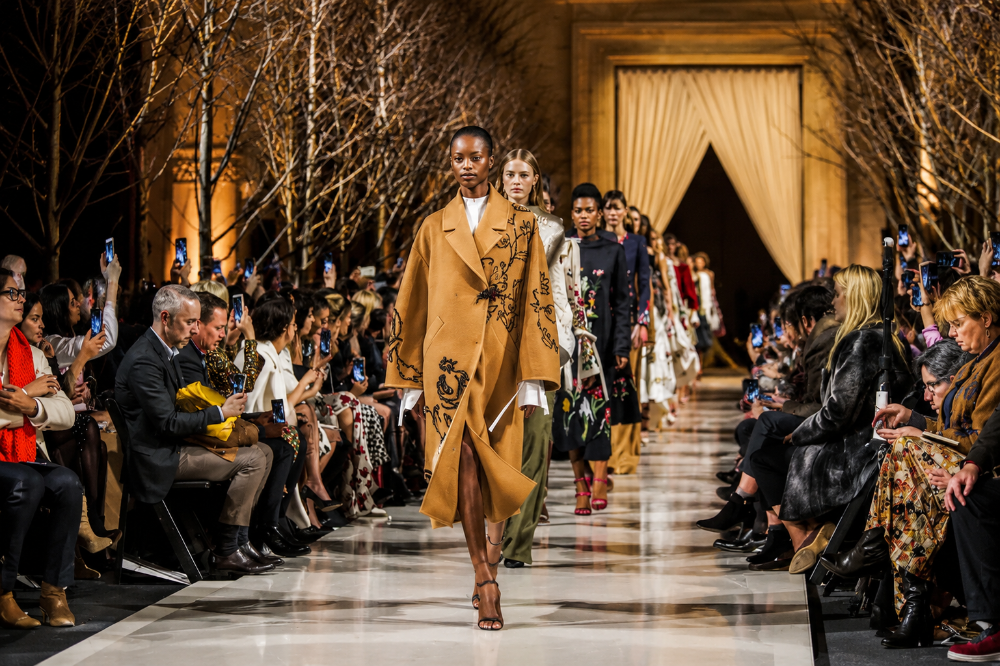
The definition of luxury has evolved dramatically over the past decade. While fashion houses were once primarily associated with couture collections, runway presentations, and premium accessories, luxury fashion brands in 2026 are increasingly transforming themselves into comprehensive lifestyle ecosystems. Today’s affluent consumers no longer seek only exceptional products; they desire immersive experiences, emotional engagement, and deeper connections with the brands they admire.
Moreover, the global luxury market has become increasingly competitive. Traditional fashion categories such as handbags, ready to wear apparel, and accessories remain important revenue drivers. However, market saturation and changing consumer expectations have encouraged brands to pursue new growth opportunities beyond conventional fashion retail.
Meanwhile, experiential luxury continues to gain momentum across global markets. High net worth individuals increasingly prioritize memorable experiences over material acquisitions alone. As a result, luxury brands are expanding into hospitality, travel, wellness, dining, technology, and exclusive lifestyle services designed to strengthen customer relationships beyond occasional purchases.
Consequently, luxury fashion brands are redefining their role in consumers lives. Rather than serving solely as creators of products, they are becoming curators of luxury lifestyles. From branded hotels and residences to wellness retreats and AI powered digital experiences, leading luxury houses are building interconnected ecosystems that reflect aspiration, identity, and personal values.
Therefore, diversification has become far more than a growth strategy. It represents a fundamental transformation of luxury itself, where experiences, services, and emotional connections increasingly complement traditional product offerings.
Why Luxury Fashion Brands Are Expanding Beyond Fashion?
Luxury fashion brands are expanding beyond fashion because consumer behavior has fundamentally changed. Today’s affluent buyers value experiences, exclusivity, personalization, and emotional fulfillment as much as physical ownership. Consequently, luxury companies must evolve to remain relevant in a rapidly shifting marketplace.
Moreover, traditional fashion categories face increasing competition. Luxury consumers have access to countless premium products, making differentiation more challenging than ever. Therefore, brands are searching for new ways to stand apart while creating additional revenue streams that extend beyond seasonal collections.
Experiential luxury has emerged as a powerful solution. Instead of focusing exclusively on products, luxury companies are creating memorable interactions that deepen customer loyalty and increase lifetime value. These experiences often generate stronger emotional bonds than merchandise alone.
Key drivers of diversification include:
- Changing expectations among affluent consumers
- Saturation within established fashion categories
- Demand for personalized experiences
- New revenue opportunities beyond retail
- Stronger long term customer engagement
As a result, diversification has become an essential component of modern luxury business strategy rather than an optional growth initiative.
The Rise of Luxury Lifestyle Ecosystems
Luxury brands increasingly view themselves as lifestyle platforms rather than fashion companies. This strategic shift allows them to influence multiple aspects of consumers’ lives while reinforcing their brand identity across numerous touchpoints.
Moreover, emotional engagement plays a critical role in luxury purchasing decisions. Consumers often associate luxury brands with aspirations, achievements, and personal identity. Therefore, expanding into complementary sectors allows brands to strengthen those emotional connections throughout everyday experiences.
Meanwhile, ecosystem driven business models create ongoing interactions between consumers and brands. Instead of engaging customers only during product purchases, luxury companies now participate in travel experiences, wellness journeys, dining occasions, and residential environments.
These lifestyle ecosystems typically include:
- Premium hospitality experiences
- Wellness and beauty services
- Exclusive memberships
- Luxury travel offerings
- Personalized digital engagement
Consequently, luxury brands can extend their influence far beyond retail environments while creating a more integrated customer experience.
Table 1: Luxury Brand Expansion Opportunities
| Expansion Area | Strategic Goal | Consumer Benefit | Revenue Potential | Brand Impact |
|---|---|---|---|---|
| Hospitality | Lifestyle immersion | Luxury accommodations | High | Strong |
| Wellness | Daily engagement | Personal wellbeing | High | Strong |
| Dining | Experiential interaction | Memorable experiences | Medium-High | Strong |
| Real Estate | Long-term presence | Branded living | Very High | Premium |
| Technology | Personalization | Convenience and exclusivity | High | Growing |
Luxury Fashion Brands Entering Hospitality
Hospitality represents one of the most natural extensions for luxury fashion brands. Hotels, resorts, and branded residences allow companies to translate their aesthetic vision into fully immersive environments.
For example, Armani Hotels have successfully transformed the minimalist elegance associated with the brand into luxury hospitality experiences. Similarly, Bulgari Hotels & Resorts combine exceptional service with the craftsmanship and exclusivity that define the jewelry house. These ventures demonstrate how luxury values can extend seamlessly beyond fashion products.
Moreover, hospitality provides continuous engagement opportunities that traditional retail cannot match. Guests interact with a brand throughout their stay, creating deeper emotional connections and stronger loyalty.
Luxury hospitality expansion often includes:
- Branded hotels and resorts
- Exclusive travel experiences
- Luxury residential developments
- Members only retreats
- Personalized concierge services
Therefore, hospitality aligns perfectly with luxury branding because both industries prioritize exclusivity, service excellence, and memorable experiences.
Fashion Meets Wellness and Beauty
Wellness has become one of the fastest growing segments within the luxury economy. Consequently, luxury fashion brands are increasingly investing in beauty, skincare, longevity, and holistic wellbeing initiatives.
Modern affluent consumers view wellness as an essential aspect of luxury living. Moreover, self care has evolved from a personal practice into a status symbol associated with health, performance, and longevity. As a result, luxury brands recognize significant opportunities within wellness focused categories.
Additionally, beauty and skincare naturally complement luxury fashion identities. Consumers who trust a brand’s design philosophy often extend that trust to personal care products and wellness experiences.
Popular wellness expansion strategies include:
- Premium skincare collections
- Luxury spa concepts
- Wellness retreats
- Longevity focused experiences
- Holistic lifestyle programs
Therefore, wellness allows luxury brands to participate in consumers daily routines while reinforcing broader lifestyle positioning.
Table 2: Evolution of Luxury Brand Roles
| Luxury Sector | Traditional Role | Expanded Role | Consumer Engagement | Growth Potential |
| Fashion | Product creation | Lifestyle ecosystem | High | Strong |
| Hospitality | Accommodation | Brand immersion | Very High | Strong |
| Beauty | Cosmetics | Wellness solutions | High | Very Strong |
| Dining | Service experience | Brand storytelling | High | Growing |
| Technology | Retail support | Personalized ecosystems | Very High | Exceptional |
Luxury Dining, Cafes, and Culinary Experiences
Food has become an increasingly important component of luxury brand strategy. Branded cafes, restaurants, and culinary experiences provide unique opportunities for consumer engagement while strengthening brand visibility.
Moreover, dining experiences create memorable emotional associations. Unlike retail purchases, meals involve social interaction, sensory stimulation, and personal storytelling. Consequently, luxury brands can cultivate deeper relationships through carefully curated culinary concepts.
Meanwhile, destination based dining experiences attract both loyal customers and new audiences. Luxury cafes located within flagship stores or iconic destinations often become powerful marketing assets that reinforce brand identity.
Benefits of luxury dining ventures include:
- Increased customer engagement
- Enhanced brand storytelling
- Greater cultural relevance
- Expanded lifestyle positioning
- Additional revenue streams
Therefore, culinary experiences help luxury brands transform occasional customers into active participants within a broader lifestyle community.
Technology and Digital Expansion in Luxury
Technology is playing an increasingly central role in luxury brand expansion strategies. While luxury has traditionally emphasized craftsmanship and heritage, digital innovation now supports personalization, convenience, and customer engagement.
AI-powered personalization enables brands to deliver tailored recommendations, exclusive experiences, and customized services. Moreover, affluent consumers increasingly expect seamless digital interactions that complement physical luxury experiences.
Meanwhile, virtual environments and digital commerce continue to evolve. Luxury brands are investing in immersive shopping experiences, personalized loyalty ecosystems, and advanced customer relationship platforms.
Key technology driven initiatives include:
- AI-powered personalization
- Digital luxury memberships
- Virtual shopping environments
- Exclusive online communities
- Data driven customer experiences
Consequently, technology strengthens luxury ecosystem strategies by connecting multiple services and experiences through a unified customer journey.
The Psychology Behind Luxury Lifestyle Branding
The success of luxury lifestyle branding is deeply rooted in consumer psychology. Luxury purchases often represent far more than functional needs; they communicate identity, status, aspirations, and personal values.
Moreover, consumers increasingly seek brands that align with their desired lifestyle. Rather than purchasing isolated products, they invest in narratives that reflect who they are or aspire to become. Therefore, lifestyle focused luxury brands resonate more strongly than product centric competitors.
Additionally, experiential consumption continues to outperform traditional material consumption among many affluent demographics. Experiences often generate lasting memories, social currency, and emotional fulfillment that physical products alone may not provide.
Psychological drivers include:
- Identity expression
- Social signaling
- Emotional connection
- Community belonging
- Aspirational living
As a result, luxury lifestyle ecosystems create stronger and more enduring customer relationships than traditional transactional models.
Unique Insight: Luxury’s Shift from Products to Ecosystems
One of the most significant developments shaping the future of luxury is the transition from product ownership to ecosystem participation.
Historically, luxury brands focused on category leadership. Success depended largely on creating exceptional handbags, apparel, watches, jewelry, or accessories. However, modern affluent consumers increasingly purchase lifestyles rather than products.
Moreover, experiences often generate stronger loyalty than physical goods. A consumer may purchase a luxury handbag occasionally. However, they may engage with a luxury hotel, wellness retreat, restaurant, digital platform, and membership community throughout the year.
Consequently, luxury brands are pursuing deeper and longer lasting relationships that extend across multiple aspects of daily life. The goal is no longer simply to sell products but to create enduring emotional ecosystems.
This shift suggests that future luxury leaders may be defined less by category dominance and more by ecosystem ownership. Brands that successfully integrate hospitality, wellness, dining, technology, and personalized services will likely enjoy stronger customer loyalty and greater competitive advantages.
Ultimately, luxury fashion brands are no longer merely selling clothing. They are creating complete lifestyle universes built around aspiration, experience, identity, and belonging.
The Future of Luxury Fashion Brands Beyond 2026
Looking ahead, luxury fashion brands will continue expanding into increasingly diverse service categories. Integrated ecosystems are expected to become central pillars of long term growth strategies.
Moreover, personalized memberships and exclusive communities will likely gain importance as brands seek recurring engagement opportunities. These offerings may combine travel privileges, wellness access, hospitality benefits, and digital experiences within unified luxury platforms.
Meanwhile, sustainability will play a growing role in diversification decisions. Luxury consumers increasingly value responsible business practices alongside exclusivity and craftsmanship. Therefore, future expansion initiatives will likely incorporate environmental and social considerations.
Emerging trends include:
- Integrated luxury ecosystems
- Personalized membership programs
- Sustainability focused experiences
- AI enhanced customer engagement
- New service-based luxury categories
Consequently, the future of luxury appears increasingly service-oriented, experience driven, and ecosystem-focused. Brands that successfully balance heritage with innovation will be best positioned to thrive in this evolving landscape.
Conclusion
Luxury fashion brands are undergoing one of the most significant transformations in modern business history. Driven by changing consumer expectations, intensifying competition, and the rise of experiential luxury, leading brands are expanding far beyond the runway.
Moreover, hospitality, wellness, dining, technology, and lifestyle services offer powerful opportunities to deepen customer relationships and create sustainable growth. These initiatives enable luxury companies to participate more meaningfully in consumers’ daily lives while reinforcing emotional connections.
Therefore, diversification has become a defining feature of luxury business strategy in 2026. The most successful brands are no longer focused solely on products; they are building interconnected ecosystems designed to deliver aspiration, exclusivity, and memorable experiences across multiple dimensions of life.
As luxury continues evolving, the brands that master lifestyle integration will likely shape the future of the global luxury market.
Read also: Best Designer Bags Worth Buying in 2026
FAQs
Why are luxury fashion brands expanding beyond fashion?
Luxury brands are expanding to meet changing consumer expectations, create new revenue streams, and strengthen long-term customer relationships through lifestyle experiences.
What industries are luxury brands entering?
They are entering hospitality, wellness, beauty, dining, real estate, travel, technology, and exclusive membership services.
How do luxury hotels benefit fashion brands?
Hotels create immersive brand experiences that deepen emotional engagement while generating additional revenue opportunities.
Why is experiential luxury growing?
Consumers increasingly value memorable experiences and emotional fulfillment over material ownership alone.
Which luxury brands have hotels and resorts?
Notable examples include Armani Hotels and Bulgari Hotels & Resorts, both of which extend their brand identities into hospitality.
How are fashion brands entering wellness?
Many brands are launching skincare products, wellness retreats, spa experiences, and holistic lifestyle initiatives.
What role does technology play in luxury expansion?
Technology enables personalization, digital engagement, loyalty programs, virtual experiences, and seamless customer journeys.
Why do consumers prefer lifestyle brands?
Lifestyle brands offer stronger emotional connections, identity alignment, and integrated experiences that extend beyond products.
Is diversification important for luxury companies?
Yes. Diversification supports growth, reduces reliance on traditional fashion categories, and strengthens customer engagement.
What is the future of luxury fashion brands?
The future involves integrated ecosystems, personalized memberships, sustainability initiatives, and deeper lifestyle engagement.