
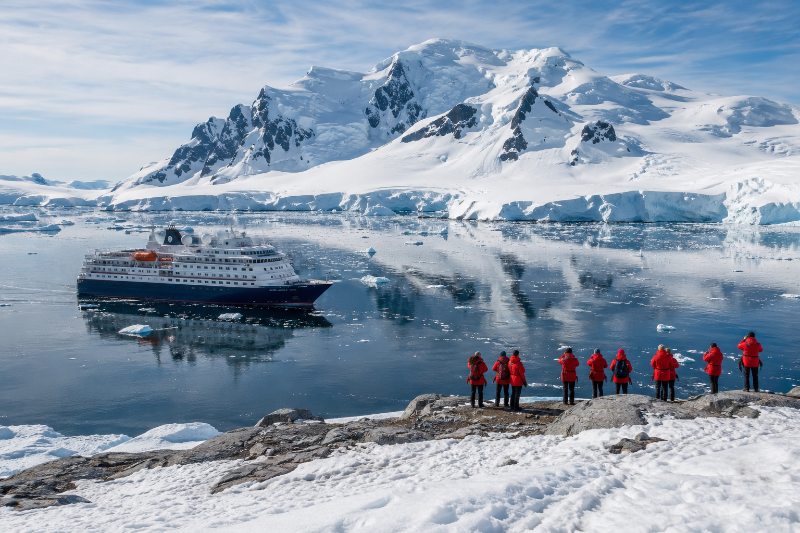

Few travel experiences inspire the same sense of wonder as an Antarctica cruise. Often described as the world’s last great wilderness, Antarctica has transformed from a destination reserved for scientists and explorers into one of the most sought-after adventure travel experiences on Earth.
As global travelers increasingly prioritize meaningful experiences over traditional luxury purchases, trips to Antarctica have become a symbol of exclusivity, discovery, and personal achievement. Unlike mainstream cruise destinations, Antarctica offers a rare combination of untouched landscapes, extraordinary wildlife encounters, and genuine expedition travel.
The growing popularity of the modern Antarctica expedition cruise has also created a wider range of options, from entry-level expedition vessels to ultra-luxury ships offering five-star accommodations and personalized service. Yet one question remains common among travelers planning this extraordinary journey: what is the real Antarctica cruise cost?
The answer varies dramatically. Some travelers may spend less than $7,000 on a budget expedition voyage, while others invest more than $50,000 for a luxury polar experience. What makes Antarctica pricing so unique is that travelers are not simply paying for transportation—they are investing in access to one of the most remote and protected regions on the planet.
Understanding why costs vary requires a closer look at expedition logistics, ship categories, itinerary design, and the evolving luxury travel market that now surrounds Antarctica tourism.
Why Antarctica Cruises Are Among the Most Expensive Travel Experiences?
An Antarctica cruise operates under conditions unlike almost any other tourism product in the world. The continent’s extreme remoteness creates logistical challenges that significantly influence pricing. Ships must navigate some of the world’s roughest waters while carrying specialized equipment, highly trained expedition teams, and environmental safeguards.
Passenger capacity also plays a major role. Most Antarctica expedition vessels intentionally remain small compared with mainstream cruise ships. Many carry fewer than 200 passengers, allowing more frequent landings and compliance with strict environmental regulations.
The International Association of Antarctica Tour Operators (IAATO) enforces rigorous standards designed to protect the fragile ecosystem. These regulations limit visitor numbers, landing procedures, and operational practices. While these measures preserve Antarctica’s pristine environment, they also increase operating costs.
Seasonality further impacts pricing. Antarctica cruises typically operate between November and March, creating a short booking window with limited inventory. Demand frequently exceeds available capacity, contributing to consistently high prices even for entry-level voyages.
For these reasons, the baseline Antarctica cruise cost starts considerably higher than most luxury cruise vacations elsewhere in the world.
The Real Price Range of Antarctica Cruises in 2026
The market for Antarctica cruises has expanded significantly, creating multiple pricing tiers that cater to different travel styles and budgets.
Entry-level expedition voyages generally range between $6,000 and $10,000 per person. These itineraries often focus on the Antarctic Peninsula and emphasize exploration rather than luxury accommodations.
Mid-range expedition experiences typically cost between $10,000 and $18,000 per person. These cruises often feature upgraded cabins, enhanced dining, and more comprehensive expedition programs.
Luxury and ultra-luxury operators occupy the premium end of the market. Companies such as Silversea Antarctica and National Geographic Antarctica cruise programs can range from $18,000 to over $50,000 per guest depending on suite category, voyage duration, and included amenities.
Some of the industry’s leading operators include:
- Quark Expeditions
- Hurtigruten Expeditions
- Silversea Antarctica voyages
- National Geographic Antarctica cruise experiences
- Luxury polar expedition specialists
This shift becomes even clearer when comparing expedition tiers across the market.
| Cruise Tier | Price Range | Experience Type | Example Operators |
|---|---|---|---|
| Budget Expedition | $6,000–$10,000 | Basic expedition travel, shared cabins possible | Quark Expeditions, selected operators |
| Mid-Range Expedition | $10,000–$18,000 | Enhanced comfort with strong expedition focus | Hurtigruten Expeditions |
| Luxury Expedition | $18,000–$35,000 | Premium accommodations and personalized service | National Geographic Antarctica cruise programs |
| Ultra-Luxury Polar Voyage | $35,000–$50,000+ | All-inclusive luxury with expedition access | Silversea Antarctica |
What Determines Antarctica Cruise Pricing?
Several variables influence the final Antarctica cruise cost, often creating substantial differences between voyages that appear similar on the surface.
Cabin selection is one of the largest factors. Interior accommodations may represent the lowest pricing tier, while premium suites with balconies can double or even triple the overall fare.
Ship design and onboard amenities also contribute significantly. Modern luxury expedition ships often include:
- Fine dining venues
- Spa facilities
- Butler service
- Observation lounges
- Premium beverage programs
Itinerary length is another major pricing variable. Shorter voyages of seven to ten days generally cost less than extended Antarctica tours lasting two to three weeks. Longer itineraries may include destinations such as South Georgia and the Falkland Islands, adding considerable value and complexity.
Many travelers also choose fly-cruise programs, which reduce time spent crossing the Drake Passage. While these options increase upfront costs, they often appeal to travelers seeking greater comfort and convenience.
Specialized activities can further impact pricing. Kayaking, camping, photography workshops, diving, and advanced scientific programming may be offered as premium additions to an Antarctica expedition.
Luxury Antarctica Cruises vs Expedition Cruises
In many ways, Antarctica sits at the very top of experiential travel, where luxury and adventure increasingly overlap.
A Silversea Antarctica voyage exemplifies the ultra-luxury model. Guests enjoy spacious suites, gourmet cuisine, personalized service, and all-inclusive amenities while still participating in guided landings and wildlife encounters.
By contrast, a National Geographic Antarctica cruise often places stronger emphasis on education and scientific interpretation. Expedition leaders, naturalists, photographers, and researchers help transform the journey into an immersive learning experience.
Traditional expedition vessels prioritize exploration above luxury. Travelers may encounter simpler accommodations but often enjoy highly active itineraries with frequent shore landings and extensive wildlife observation opportunities.
The distinction ultimately comes down to traveler priorities. Some seek comfort and refinement, while others value intensive exploration and expedition heritage.
Cheapest Antarctica Cruise Options Explained
Finding the cheapest Antarctica cruise requires flexibility and realistic expectations.
Last-minute bookings occasionally offer substantial discounts when operators seek to fill remaining cabins. Travelers willing to book close to departure can sometimes save thousands of dollars.
Shoulder-season departures also provide opportunities for lower pricing. Early-season and late-season voyages often cost less than peak holiday departures while still delivering remarkable wildlife experiences.
Additional strategies include:
- Booking shared cabins
- Choosing interior accommodations
- Selecting shorter itineraries
- Avoiding holiday travel periods
- Monitoring expedition operator promotions
Even the cheapest Antarctica cruise, however, remains a significant travel investment compared with conventional cruise vacations. The continent’s operational realities create a pricing floor that rarely drops below several thousand dollars.
What’s Included in the Cost of an Antarctica Cruise?
At first glance, Antarctica pricing can appear extraordinarily high. However, many expedition cruises include extensive services that would otherwise generate significant additional expenses.
Typical inclusions often cover:
- Accommodation onboard
- Daily meals
- Expedition landings
- Zodiac excursions
- Expert guides and lecturers
- Educational programs
- Basic expedition gear
- Port fees and taxes
Luxury operators may also include:
- Premium beverages
- Butler service
- Charter flights
- Airport transfers
- Gratuities
- Specialty dining
Understanding these inclusions helps explain the perceived value of higher cruise fares.
| Cost Component | What It Covers | Price Impact | Traveler Benefit |
| Expedition Vessel | Ship operations and accommodations | High | Access to remote regions |
| Expedition Team | Naturalists, guides, experts | Moderate | Educational enrichment |
| Zodiac Excursions | Shore landings and wildlife viewing | High | Direct Antarctic exploration |
| Included Flights | Charter and regional flights | Moderate to High | Reduced travel complexity |
| Luxury Services | Suites, dining, premium amenities | High | Enhanced comfort and exclusivity |
Is an Antarctica Cruise Worth the Cost?
Determining whether an Antarctica cruise is worth the cost depends largely on how travelers define value.
For many, Antarctica represents a once-in-a-lifetime destination that delivers experiences unavailable anywhere else. Massive icebergs, penguin colonies, whale encounters, and untouched landscapes create memories that often remain unmatched by conventional vacations.
Exclusivity also plays a major role. Far fewer people visit Antarctica annually than many popular tourist destinations receive in a single day. This rarity contributes to the continent’s extraordinary appeal.
When compared with other luxury travel experiences—such as private African safaris, around-the-world cruises, or remote island retreats—Antarctica often competes favorably in terms of uniqueness and emotional impact.
Many travelers ultimately view the expense not as a cruise purchase but as an investment in one of the world’s most extraordinary life experiences.
The Future of Antarctica Expedition Travel
The future of Antarctica expedition travel appears poised for continued growth despite rising costs.
Luxury travelers increasingly seek transformative experiences rather than traditional resort vacations. Antarctica aligns perfectly with this trend, combining adventure, education, conservation, and exclusivity.
At the same time, environmental regulations are likely to become more stringent. Enhanced sustainability requirements could further limit visitor capacity and contribute to future price increases.
New generations of expedition ships are also reshaping the industry. These vessels feature advanced environmental technologies, improved fuel efficiency, and higher standards of comfort than ever before.
Climate awareness may also influence demand. Many travelers feel a growing desire to witness Antarctica’s extraordinary ecosystems firsthand while supporting responsible tourism practices.
Unique Insight – Antarctica as the Ultimate Luxury Frontier
What makes Antarctica pricing so unique is that travelers are purchasing something increasingly rare in modern tourism: true geographic exclusivity.
Traditional luxury once centered on material comfort. Today’s luxury travelers often prioritize access, authenticity, and experiences that cannot easily be replicated. Antarctica represents the pinnacle of this evolution.
No amount of money can create another Antarctica. Its isolation, environmental protections, limited visitor capacity, and scientific significance ensure that access remains inherently scarce.
As a result, Antarctica cruise cost reflects much more than cabins, meals, or transportation. It reflects the privilege of reaching one of Earth’s final frontiers.
For many travelers, standing among towering glaciers while watching penguins navigate icy waters becomes a defining life experience. The emotional value often transcends traditional measures of travel spending.
That reality helps explain why Antarctica continues to attract explorers, adventurers, photographers, luxury travelers, and dreamers from around the world despite its substantial price tag.
Frequently Asked Questions
How much does an Antarctica cruise cost?
Most Antarctica cruises range from approximately $6,000 to more than $50,000 per person depending on ship class, itinerary, cabin category, and included services.
What is the cheapest Antarctica cruise?
The cheapest Antarctica cruise options typically start around $6,000–$8,000 per person through last-minute deals, shared cabins, or shorter expedition itineraries.
What is included in Antarctica tours?
Most Antarctica tours include accommodations, meals, expedition landings, zodiac excursions, guides, educational programs, and various onboard services.
Is Silversea Antarctica worth it?
Travelers seeking ultra-luxury accommodations, personalized service, and all-inclusive convenience often consider Silversea Antarctica among the industry’s finest options.
How long are Antarctica cruises?
Most voyages range from 7 to 21 days, with longer itineraries including destinations such as South Georgia and the Falkland Islands.
What is a National Geographic Antarctica cruise like?
A National Geographic Antarctica cruise emphasizes education, wildlife interpretation, photography, and scientific insight led by expert expedition teams.
When is the best time for trips to Antarctica?
The Antarctic travel season generally runs from November through March, with each month offering unique wildlife and environmental conditions.
Are Antarctica expedition cruises safe?
Yes. Modern Antarctica expedition cruise operators follow strict safety standards and environmental regulations designed for polar travel.
Why are Antarctica cruises so expensive?
Remote logistics, specialized ships, environmental regulations, expert staffing, and limited seasonal capacity all contribute to higher costs.
What is an Antarctica expedition cruise?
An Antarctica expedition cruise combines exploration, wildlife observation, educational programming, and guided landings designed to immerse travelers in the Antarctic environment.