

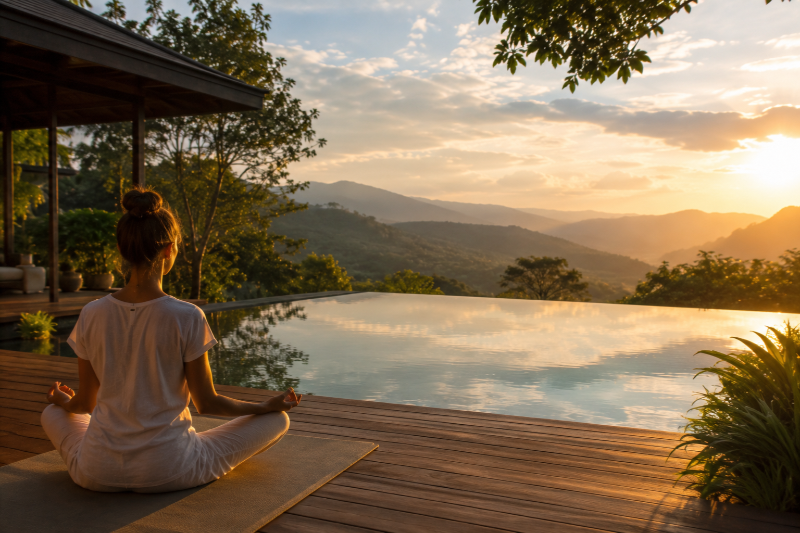

For decades, luxury travel was closely associated with glamorous nightlife, exclusive clubs, champagne-fueled celebrations, and late-night entertainment. From beach destinations known for celebrity parties to urban hotels celebrated for rooftop lounges and VIP access, nightlife served as a defining symbol of premium travel experiences. Today, however, the foundations of luxury tourism are changing.
A growing number of affluent travelers are placing greater value on wellbeing than indulgence. Health optimization, longevity, mental clarity, restorative sleep, and emotional balance have become key factors influencing travel decisions. Rather than returning from vacation feeling depleted, modern travelers increasingly seek experiences that leave them refreshed, energized, and mentally restored.
This shift has accelerated alongside broader cultural changes surrounding wellness, work-life balance, and personal health. The pandemic heightened awareness of physical and mental wellbeing, while the rise of mindfulness practices and longevity-focused lifestyles has transformed expectations across the hospitality industry.
As a result, luxury wellness travel has emerged as one of the most influential forces shaping modern tourism. What was once considered a niche category has become a central pillar of luxury hospitality. In many ways, wellness has become the new nightlife of luxury travel, redefining what travelers value most when they choose where and how to spend their time.
The Decline of Nightlife-Centered Luxury Travel
The appeal of nightlife-driven vacations has gradually weakened among many luxury travelers. While exclusive clubs and high-profile entertainment venues still attract certain audiences, they no longer represent the primary aspiration for a growing segment of affluent consumers.
One major reason is changing attitudes toward health and wellbeing. Travelers have become more aware of the physical effects associated with excessive drinking, disrupted sleep, and overstimulation. The traditional luxury vacation model often left guests needing recovery after returning home, creating a growing disconnect between hospitality experiences and wellness-focused lifestyles.
Generational preferences are also contributing to this shift. Millennials and Gen Z travelers tend to prioritize meaningful experiences, personal development, and authentic connections over status-driven nightlife activities. This reflects a broader transformation in luxury travel behavior where experiences are increasingly judged by their long-term value rather than short-term excitement.
What makes this shift particularly significant is that luxury itself is evolving. Access to exclusive venues no longer carries the same prestige it once did. Instead, travelers increasingly seek experiences that enhance their quality of life, health, and emotional wellbeing.
The Rise of Wellness as the New Status Symbol
As nightlife loses some of its cultural influence within luxury tourism, wellness has emerged as a powerful new status marker. Today, investing in health, longevity, and personal optimization often signals a level of sophistication that rivals traditional displays of wealth.
Luxury travelers increasingly view wellness experiences as both aspirational and practical. High-end spas, performance-focused retreats, personalized health assessments, and longevity programs offer benefits that extend well beyond the vacation itself.
This reflects a broader transformation in consumer values. Affluent travelers are becoming more interested in maintaining energy, cognitive performance, resilience, and emotional balance than in participating in traditional luxury excess.
Key wellness motivations include:
- Mental clarity and focus
- Physical restoration and recovery
- Longevity and healthy aging
- Emotional balance and resilience
- Sustainable performance
- Improved sleep quality
As wellness becomes integrated into luxury lifestyles, travelers increasingly view wellbeing not as an occasional indulgence but as an ongoing investment.
How Luxury Hotels Are Redefining Guest Experiences?
Luxury hospitality brands have responded quickly to changing consumer expectations. Hotels and resorts are redesigning properties, services, and guest journeys around wellness-first experiences rather than entertainment-centric offerings.
Many luxury wellness retreats now feature comprehensive programs that combine movement, mindfulness, nutrition, sleep science, and stress management. Guests can participate in guided wellness journeys tailored to specific goals such as recovery, performance enhancement, or emotional wellbeing.
Similarly, luxury spa resorts have evolved beyond traditional treatments. Today’s wellness facilities often incorporate advanced therapies, personalized consultations, hydrotherapy experiences, and holistic healing programs designed to deliver measurable outcomes.
The growth of luxury detox retreats further highlights this evolution. These destinations focus on restoration through digital detox programs, mindfulness practices, nutritional support, and structured wellness experiences.
The Evolution of Luxury Guest Experiences
| Experience Type | Traditional Luxury | Wellness Luxury | Guest Priority Shift |
|---|---|---|---|
| Accommodation | Prestige and exclusivity | Restoration and wellbeing | Health-focused stays |
| Dining | Indulgence and abundance | Nutrition and balance | Wellness-oriented choices |
| Activities | Entertainment and nightlife | Mindfulness and fitness | Personal growth |
| Social Experiences | Parties and events | Meaningful connection | Quality interactions |
| Hospitality Goals | Escape and excitement | Recovery and renewal | Long-term wellbeing |
This reflects a broader transformation in luxury travel behavior where wellness is becoming embedded into every aspect of hospitality design.
Why Travelers Are Choosing Wellness Over Nightlife?
The popularity of wellness travel is closely linked to changing psychological and lifestyle priorities. Modern consumers face unprecedented levels of stress, digital overload, and constant stimulation, creating a growing desire for restorative experiences.
Dopamine fatigue has become an increasingly relevant concept in travel behavior. Constant exposure to social media, notifications, entertainment, and high-intensity environments often leaves individuals craving simplicity and mental clarity. Wellness-focused destinations provide an antidote to this overstimulation.
At the same time, alcohol consumption patterns are changing. The rise of sober luxury travel and sober-curious lifestyles has encouraged travelers to reconsider the role of alcohol in leisure experiences. Increasing numbers of guests are choosing alcohol-free luxury resorts and wellness-focused destinations that prioritize health over nightlife.
Popular motivations include:
- Better sleep quality
- Increased energy levels
- Enhanced mental clarity
- Reduced stress
- Stronger emotional wellbeing
- Meaningful destination engagement
Many travelers are discovering that mindful travel destinations deliver a deeper sense of fulfillment than nightlife-centered vacations ever could.
The Psychology Behind Wellness-Driven Travel
Understanding the rise of luxury wellness travel requires examining the psychological factors driving consumer behavior. Wellness-focused travel experiences address several growing concerns that define modern life.
Burnout has become a widespread challenge among professionals, entrepreneurs, and executives. Long working hours, constant connectivity, and performance pressure create significant demand for recovery-focused travel experiences. Vacations are increasingly viewed as opportunities for restoration rather than stimulation.
Digital overload also plays a critical role. Travelers often seek environments that encourage disconnection from technology, allowing for deeper presence, improved focus, and emotional regulation. Wellness retreats, meditation programs, and nature-based experiences directly address these needs.
Sleep quality has emerged as another major consideration. Many luxury properties now invest heavily in sleep optimization through specialized bedding, lighting systems, wellness consultations, and relaxation programs designed to improve recovery.
Comparing Travel Mindsets
| Nightlife Travel Model | Wellness Travel Model | Emotional Outcome | Long-Term Impact |
| High stimulation | Intentional restoration | Calm and clarity | Sustainable wellbeing |
| Late nights | Recovery-focused schedules | Reduced stress | Better health |
| Alcohol-centered socializing | Mindful connection | Greater presence | Stronger relationships |
| Entertainment-first experiences | Wellness-first experiences | Emotional balance | Improved resilience |
| Temporary escape | Personal transformation | Lasting fulfillment | Lifestyle enhancement |
The psychological appeal of wellness travel lies in its ability to deliver benefits that continue long after the trip ends.
The Role of High-End Wellness Resorts in This Shift
Luxury hospitality brands have become key drivers of the wellness movement by creating highly specialized environments dedicated to health and restoration.
Destination spas now offer comprehensive wellness ecosystems that combine medical expertise, fitness programming, nutritional guidance, and mindfulness practices. Guests increasingly expect integrated wellness experiences rather than isolated treatments.
Medical wellness resorts are another rapidly growing category. These properties blend hospitality with advanced health services, offering personalized assessments, preventive health strategies, and longevity-focused programming.
Luxury fitness retreats have also gained momentum as travelers seek active experiences that support physical performance and overall wellbeing. From mountain-based training programs to immersive wellness campuses, these properties cater to guests pursuing measurable health outcomes.
This reflects a broader transformation in luxury hospitality where guest wellbeing becomes central to the overall value proposition.
Who Is Driving the Wellness Travel Boom?
Several demographic groups are contributing to the rapid growth of wellness tourism.
Millennials and Gen Z travelers have embraced wellness as a lifestyle priority. Their travel decisions often reflect broader interests in mindfulness, sustainability, personal growth, and preventive health.
High-net-worth individuals also play a significant role. Many affluent consumers increasingly view health as their most valuable asset, making wellness-focused experiences particularly attractive.
Corporate leaders and entrepreneurs represent another major segment. Burnout recovery, performance optimization, and stress management have become important travel objectives for professionals navigating demanding careers.
Family wellness tourism is expanding as well. Parents increasingly seek healthy luxury vacations that support physical and emotional wellbeing for all family members rather than focusing exclusively on entertainment.
Together, these segments are helping transform wellness from a niche offering into a defining characteristic of luxury travel.
The Future of Luxury Wellness Travel
The future of luxury wellness travel is expected to become even more personalized, data-driven, and health-focused.
Artificial intelligence will likely play a growing role in creating customized wellness journeys. Future travelers may receive tailored recommendations based on biometric data, sleep patterns, stress levels, and individual wellness objectives.
Biohacking and performance optimization experiences are also expected to expand. Advanced recovery therapies, longevity-focused treatments, and precision nutrition programs are increasingly being incorporated into luxury hospitality offerings.
Additional growth areas include:
- AI-powered wellness planning
- Personalized longevity programs
- Integrated medical wellness services
- Expanded alcohol-free luxury resorts
- Mental wellness and resilience retreats
- Preventive health tourism
As wellness tourism trends continue evolving, hospitality providers will likely compete based on their ability to improve guest wellbeing rather than simply deliver entertainment.
Unique Insight – Wellness Has Become the New Definition of Luxury
Perhaps the most revealing aspect of this transformation is how it has changed the meaning of luxury itself.
Historically, luxury often emphasized abundance, exclusivity, and visible displays of indulgence. Today, many travelers define luxury through optimization, balance, and quality of life. Access to exceptional health experiences, restorative environments, and personalized wellbeing programs increasingly carries greater value than traditional nightlife privileges.
Emotional clarity has become a luxury asset. The ability to disconnect from constant stimulation, improve mental wellbeing, and invest in long-term health is increasingly viewed as a sign of success and sophistication.
In many ways, wellness has become the new nightlife of luxury hospitality. Travelers are choosing recovery over excess, mindfulness over distraction, and longevity over short-term indulgence.
The rise of luxury wellness travel ultimately reflects a larger cultural reset. Modern luxury is no longer defined by how much one can consume, but by how effectively one can restore, optimize, and sustain wellbeing.
Frequently Asked Questions
Why is wellness replacing nightlife in luxury travel?
Travelers increasingly prioritize health, mental wellbeing, longevity, and meaningful experiences over nightlife-focused entertainment.
What is luxury wellness travel?
Luxury wellness travel combines premium hospitality with wellness-focused experiences such as fitness, mindfulness, nutrition, spa therapies, and health optimization programs.
Are luxury wellness retreats alcohol-free?
Many offer alcohol-free environments or place limited emphasis on alcohol to support wellness goals.
What are the best wellness travel destinations?
Popular destinations include wellness resorts, destination spas, mountain retreats, coastal recovery centers, and holistic healing resorts.
What is sober luxury travel?
Sober luxury travel focuses on high-end experiences that prioritize wellness and meaningful engagement without alcohol-centered activities.
Why are travelers choosing wellness over nightlife?
Many seek better health, mental clarity, reduced stress, improved sleep, and more meaningful travel experiences.
What is a luxury spa resort experience?
It combines premium accommodations with wellness services such as spa treatments, fitness programs, mindfulness sessions, and recovery therapies.
Is wellness tourism growing?
Yes. Wellness tourism is one of the fastest-growing segments within global travel and hospitality.
What do wellness vacations include?
They often include spa therapies, fitness activities, nutrition programs, meditation, sleep optimization, and holistic wellness experiences.
What is the future of luxury travel?
Future luxury travel is expected to focus increasingly on personalized wellness, longevity, preventive health, and emotional restoration.