

People used to pick a destination and then figure out where to eat. Now, increasingly, they are picking the restaurant first and booking the flight second.
Culinary travel, the practice of exploring the world specifically through its food, has quietly become one of the most powerful forces reshaping modern tourism. It is no longer a niche pursued by obsessive foodies or wealthy gastronomes. It has gone mainstream, and the numbers behind it are hard to ignore. Understanding what culinary travel actually is, why it is growing so fast, and where it is taking people right now is worth knowing, whether you are planning your next holiday or simply curious about how the world eats.
What Culinary Travel Actually Means
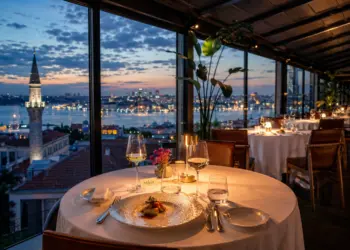
Culinary travel is not just eating at good restaurants while on holiday. It is travel where food is the primary motivation, or at minimum, a central one. That can mean booking a cooking class in Tuscany, joining a street food walking tour in Bangkok, visiting a sake brewery in rural Japan, hunting truffles in Périgord, or sitting down to a three-hour tasting menu at a Michelin-starred restaurant in San Sebastián.
The common thread is intention. Culinary travelers choose destinations, build itineraries, and make spending decisions based on what and where they want to eat. Food becomes the lens through which a place is understood, not an afterthought worked around sightseeing schedules.
The Scale of What Is Happening
The growth of culinary travel in recent years has been substantial. The global culinary tourism market was valued at around $1.25 trillion in 2025 and is projected to more than triple by 2034, according to market research firm IMARC Group. Food tourism is now estimated to generate $150 billion annually in direct spending. Asia Pacific alone accounts for over 43% of global market revenue, driven largely by Japan’s deep culinary heritage and China’s rapidly expanding domestic food tourism sector.
Perhaps the most telling statistic: nearly one in five travellers now choose a destination specifically for its culinary offerings, and a growing share book restaurant reservations before securing their flights. In a Marriott International survey of high-net-worth travellers, 88% ranked the chance to discover new food or gourmet experiences as either important or very important when deciding where to go.
That is not a niche. That is a mainstream travel priority.
Why Food Has Become the Point of the Journey
Several things happened at once to produce this shift. Social media gave food an unprecedented visual platform. A single viral video of a street food stall in Ho Chi Minh City or a mountain kaiseki dinner in Kyoto reaches millions of people who would never have encountered it otherwise, and a meaningful percentage of them start planning trips. The hashtag #foodtravel has accumulated hundreds of millions of views on TikTok alone.
But the deeper driver is something less algorithmic. Travellers, especially younger ones, have moved toward experience-based travel and away from passive sightseeing. Eating a bowl of pho in Hanoi, learning to make pasta from a nonna in a Tuscan village, or watching a third-generation pitmaster work a fire in Texas delivers something a museum visit rarely does: a direct, sensory connection to how people actually live. Food is culture made edible, and culinary travel is culture at its most accessible.
As nearly 50 culinary traditions have now been recognised on UNESCO’s Intangible Cultural Heritage list, governments and tourism boards have taken notice. Countries including Japan, Peru, Mexico, and India are actively investing in culinary tourism infrastructure, building food trails, promoting regional ingredients, and positioning local cuisine as a strategic national asset.
Where Culinary Travel Is Heading Right Now
The destinations drawing the most food-focused travellers in 2025 reflect a broadening of the map beyond the traditional European strongholds.
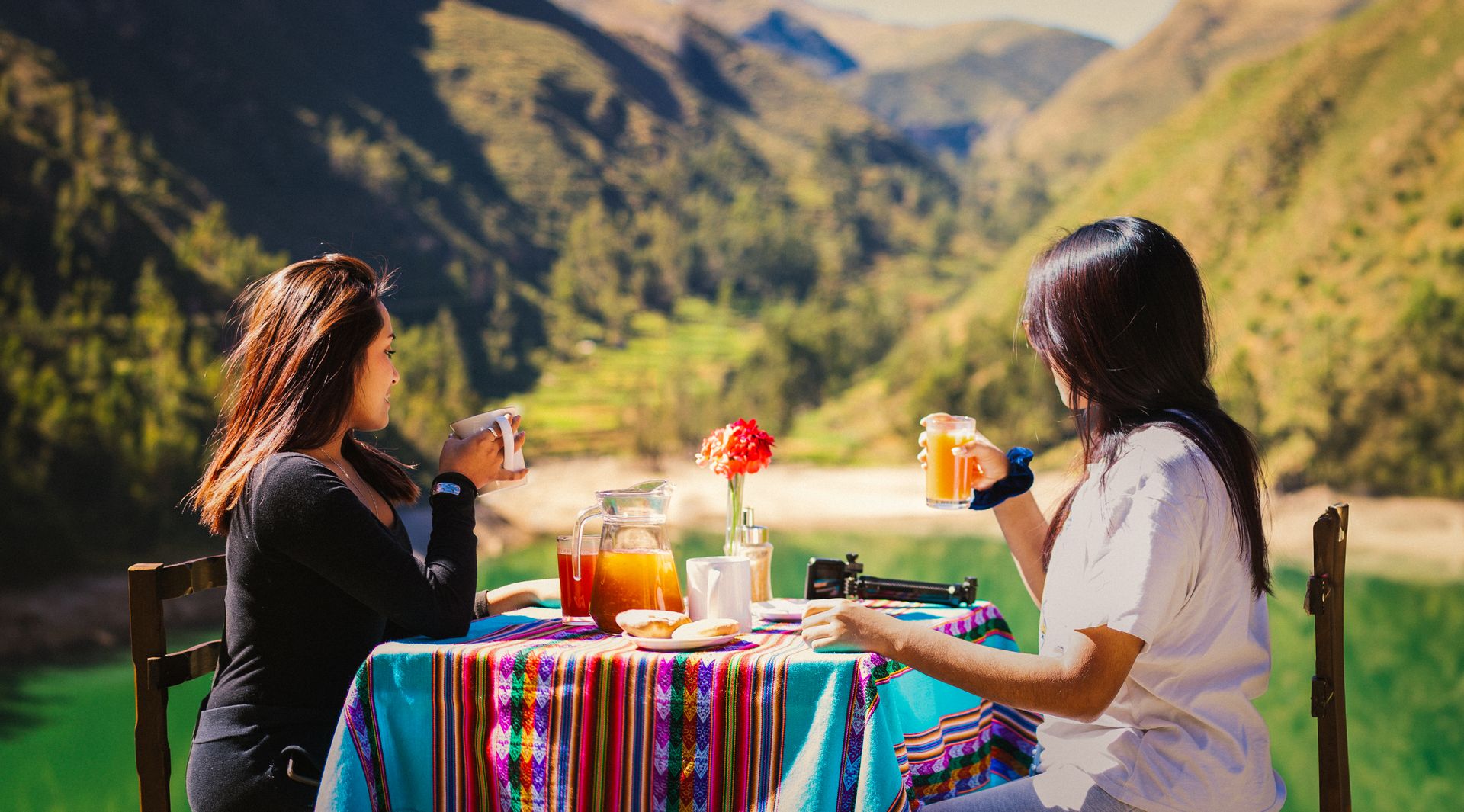
Japan remains the headline act, but increasingly it is regional Japan rather than Tokyo and Osaka that serious culinary travellers are seeking out: sushi in small fishing towns, traditional kaiseki in Kyoto’s countryside, sake breweries in Niigata. Peru’s Lima has long been on the radar, but travellers are now pushing further into the Sacred Valley and Arequipa for Andean ingredients and picanterías. Mexico’s Oaxaca has become a magnet for those chasing mole traditions, artisanal mezcal routes, and indigenous corn culture. Portugal’s Alentejo offers outstanding regional cooking with noticeably fewer crowds than Lisbon.
The trend is not uniformly toward the expensive or the obscure. A taco stand in Mexico City currently holds a Michelin star and charges the equivalent of about two pounds per taco. A hawker stall in Singapore earned stars for pork noodles served at street food prices. Culinary travel is equally at home in a high-end tasting room and a plastic-stool market counter, and the most interesting itineraries often combine both in the same day.
What to Actually Do on a Culinary Trip
The range of culinary travel experiences has expanded considerably beyond restaurant visits. Cooking retreats lasting several days, where participants shop at local markets and learn regional techniques from working chefs, are growing in popularity across France, Thailand, Mexico, and Italy. Foraging excursions, where chefs guide small groups through forests or coastlines to source ingredients before cooking with them, have become a signature offering in Scandinavia and Japan. Farm stays and producer visits, from olive groves in Provence to tea estates in the Munnar hills of India, offer context for ingredients that no restaurant can replicate.
For those starting out, a single well-chosen food tour in an unfamiliar city remains one of the most effective ways to understand a place quickly. A good guide covers more culinary ground in three hours than most independent travellers manage in a week.
The Bottom Line
Culinary travel has moved from passion project to mainstream priority because food has always been the most direct way to understand somewhere new. Every dish carries geography, history, and identity inside it. The best culinary trips do not just leave you full. They leave you knowing something about a place you could not have learned any other way. That is a compelling reason to let the menu plan the journey.