
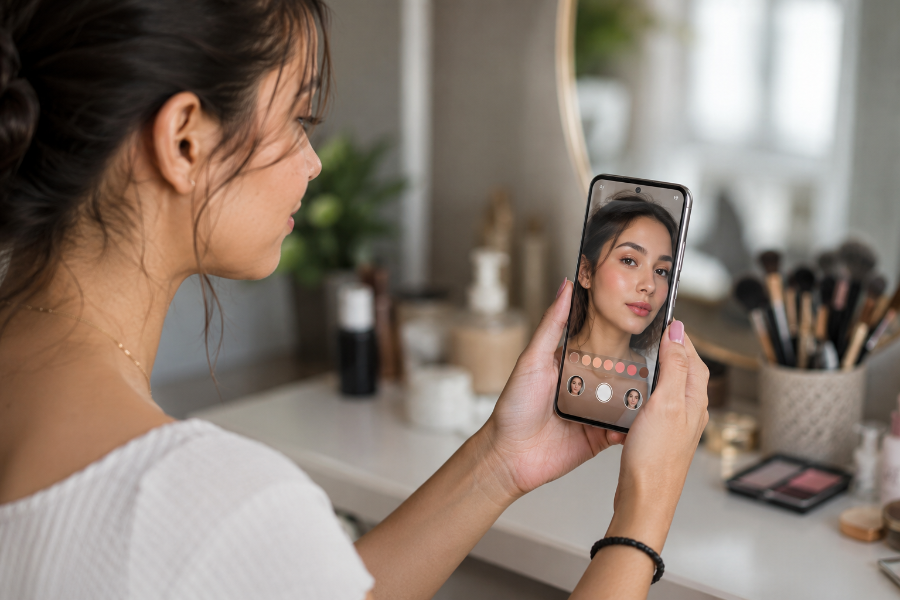

AI Beauty Filters are no longer limited to playful social media effects or casual selfie edits. In 2026, they have become a powerful influence on real-world makeup trends, cosmetic purchasing decisions, skincare expectations, and digital self-image culture. Platforms like TikTok, Instagram, and Snapchat continue to shape beauty aesthetics at unprecedented speed. Meanwhile, beauty brands and technology companies are investing heavily in augmented reality beauty tools, AI skincare apps, and personalized cosmetics powered by machine learning.
The rapid rise of beauty app technology reflects a broader shift toward digital-first beauty culture. Younger consumers increasingly discover makeup trends through filters before they encounter them in stores, magazines, or runway campaigns. As a result, AI Beauty Filters now influence how people contour their faces, choose lip products, evaluate skin texture, and even discuss cosmetic procedures. Moreover, virtual beauty filters have transformed beauty shopping into an interactive and personalized experience that blends entertainment, commerce, and self-expression.
Beauty standards are also evolving alongside these technologies. Consumers increasingly expect makeup products to appear “camera-ready” both online and offline. Consequently, cosmetic companies are adapting formulas, marketing strategies, and digital services to match filter-inspired aesthetics. At the same time, conversations around authenticity, realistic beauty representation, and algorithm-driven perfection continue to grow across the beauty tech industry.
This transformation goes beyond cosmetics alone. AI-driven beauty has become part of everyday lifestyle behavior, connecting social media aesthetics, identity customization, and technology-powered personalization into a single cultural ecosystem. Therefore, understanding AI Beauty Filters now means understanding the future direction of beauty itself.
Why AI Beauty Filters Became So Influential?
The rise of TikTok beauty culture and short-form video platforms dramatically accelerated the popularity of AI Beauty Filters. Unlike traditional photo editing software, modern AI-powered filters offer instant transformation with remarkable realism. Users can smooth skin, reshape facial features, enhance lighting, and test makeup looks within seconds. Moreover, these tools are accessible to nearly everyone with a smartphone.
Social media identity culture also plays a major role in the growing influence of virtual beauty filters. Younger consumers increasingly treat digital self-presentation as part of everyday communication. Consequently, filters are no longer viewed as temporary entertainment features. Instead, they help shape personal style, beauty inspiration, and aesthetic preferences across online and offline spaces.
AI makeup trends also thrive because personalization has become central to modern consumer behavior. Many beauty apps now analyze skin tone, facial structure, and beauty preferences to generate customized recommendations. Meanwhile, algorithm-driven content feeds constantly reinforce specific aesthetics through viral tutorials and influencer-driven trends.
Several factors explain why AI Beauty Filters now influence offline beauty behavior:
- Instant access to advanced beauty enhancement tools
- Viral TikTok and Instagram makeup trends
- Increased demand for personalized beauty experiences
- Growth of augmented reality beauty platforms
- Strong connection between online identity and self-expression
As a result, consumers often recreate filtered looks using real makeup products, skincare routines, and cosmetic treatments.
How AI Beauty Filters Are Changing Makeup Trends?
AI Beauty Filters are reshaping makeup aesthetics by prioritizing smooth texture, balanced proportions, and soft-focus finishes optimized for digital cameras. In contrast to the dramatic contouring trends of the late 2010s, many current makeup looks emphasize subtle enhancement combined with high-definition skin effects.
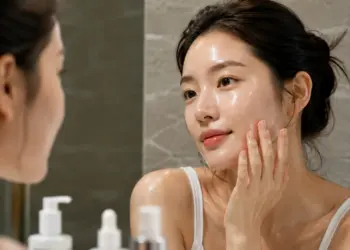
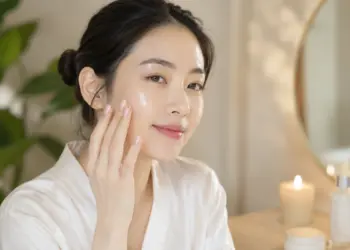
The popularity of “glass skin” aesthetics illustrates this shift clearly. Filters frequently create luminous, poreless skin with natural-looking radiance. Consequently, beauty brands now market foundations, primers, and skincare products specifically designed to mimic digitally enhanced skin finishes. Moreover, lightweight formulas with reflective properties have become increasingly popular among Gen Z makeup trends.
Lip enhancement trends have also evolved under filter influence. Many virtual beauty filters subtly enlarge lips while maintaining soft, natural contours. Therefore, makeup tutorials increasingly focus on overlining techniques, blurred lip edges, and hydrated finishes that replicate AI-generated proportions.
Meanwhile, makeup artists and cosmetic brands are adapting to growing demand for camera-optimized cosmetics. Products are now formulated with mobile photography, ring lighting, and high-resolution video content in mind. This trend reflects the broader blending of digital beauty trends with real-world cosmetic innovation.
AI Beauty Filters vs Traditional Makeup Trends
| Category | AI Filter Influence | Traditional Makeup Approach | Consumer Behavior | Industry Impact |
|---|---|---|---|---|
| Skin Finish | Smooth, luminous, poreless | Matte or full-coverage finishes | Preference for radiant skin products | Growth in skincare-makeup hybrids |
| Contouring | Soft sculpting and symmetry | Heavy contour definition | Demand for subtle shaping products | Shift toward natural contour cosmetics |
| Lip Trends | Fuller yet natural lips | Defined lipstick shapes | Popularity of lip oils and liners | Increased lip-care product innovation |
| Eye Makeup | Brightened and enlarged eyes | Dramatic smoky eyes | Focus on lash enhancement | Expansion of lash-focused products |
| Makeup Style | Camera-ready minimalism | Occasion-based glam looks | Daily wearable beauty routines | Digital-first product development |
The Rise of AI-Powered Beauty Technology
The beauty tech industry has expanded rapidly as AI-powered tools become more sophisticated and consumer-friendly. Beauty companies now integrate AI makeup try-on technology directly into shopping apps, allowing users to preview products in real time before making purchases. Moreover, augmented reality beauty systems help reduce uncertainty during online shopping experiences.
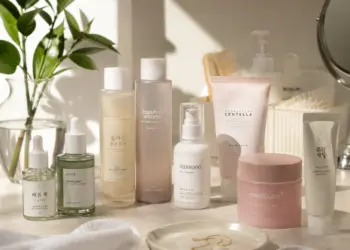
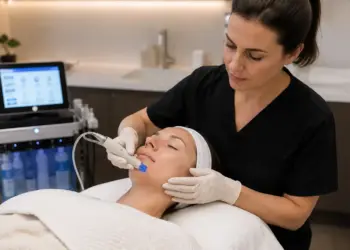
AI skincare apps represent another major area of growth. These platforms analyze skin conditions through smartphone cameras and provide customized recommendations for hydration, acne management, pigmentation, and anti-aging care. Consequently, skincare routines are becoming increasingly data-driven and personalized.
Virtual consultations have also transformed customer engagement across the cosmetic industry. Consumers can now receive personalized product suggestions without visiting physical stores. Meanwhile, beauty-tech startups continue developing tools that combine facial mapping, AI diagnostics, and interactive beauty recommendations.
Several innovations are driving industry investment:
- AI-powered foundation shade matching
- AR makeup preview systems
- Personalized skincare diagnostics
- Smart beauty recommendation engines
- Interactive virtual beauty consultations
Therefore, cosmetic industry innovation increasingly depends on technology integration rather than product development alone.
Why Younger Consumers Prefer Personalized Beauty?
Gen Z and younger millennials have grown up in highly personalized digital environments. Streaming platforms, social media feeds, and shopping apps constantly tailor recommendations based on individual preferences. As a result, younger consumers now expect beauty experiences to function similarly.
AI Beauty Filters reinforce this expectation by offering instant customization. Users can experiment with makeup looks, skin finishes, and facial enhancements designed specifically for their appearance. Moreover, personalized beauty recommendations create a stronger emotional connection between consumers and brands.
Interactive beauty shopping also appeals to younger audiences because it transforms purchasing into a visually engaging experience. Instead of browsing static product pages, users can test makeup virtually, compare looks instantly, and share results across social media platforms. Consequently, beauty shopping increasingly resembles digital entertainment.
However, personalization culture also creates new concerns. Some consumers experience beauty fatigue from constant exposure to optimized appearances and algorithm-driven aesthetics. Meanwhile, authenticity discussions continue growing as users question how much digital enhancement influences self-image expectations.
Key concerns include:
- Pressure to maintain “perfect” online appearances
- Difficulty separating filtered and natural beauty
- Increased comparison culture on visual platforms
- Unrealistic expectations around skin texture and facial symmetry
Nevertheless, many consumers continue seeking balance between digital enhancement and realistic self-expression.
How AI Is Transforming the Beauty Industry?
The cosmetic industry is rapidly restructuring around AI-driven personalization, predictive analytics, and digital beauty experiences. Traditional beauty marketing focused heavily on celebrity endorsements and seasonal campaigns. In contrast, modern beauty brands increasingly prioritize interactive technology ecosystems.
AI-powered recommendation systems now influence product discovery across skincare, makeup, and haircare categories. Meanwhile, beauty companies use machine learning to analyze consumer behavior, predict trend cycles, and personalize advertising campaigns more effectively.
How AI Is Transforming the Beauty Industry?
| Area | AI Application | Consumer Benefit | Industry Impact | Long-Term Trend |
|---|---|---|---|---|
| Makeup Shopping | Virtual try-on tools | Better purchase confidence | Lower return rates | Fully interactive e-commerce |
| Skincare | AI diagnostics | Personalized routines | Growth in skincare tech | Predictive skin analysis |
| Product Development | Trend forecasting algorithms | Faster innovation cycles | Data-driven cosmetics | Hyper-personalized products |
| Marketing | AI-powered personalization | Relevant recommendations | Higher engagement | Individualized beauty campaigns |
| Retail Experience | AR beauty mirrors | Immersive shopping | Hybrid retail models | Digital-physical beauty integration |
Consequently, beauty brands increasingly compete on technology capabilities alongside product quality.
Social Media Platforms and Digital Beauty Culture
TikTok beauty culture remains one of the strongest drivers behind modern AI makeup trends. Viral tutorials frequently introduce new contouring techniques, skin finishes, and lip styles inspired by filters and augmented reality beauty tools. Moreover, short-form video encourages rapid trend circulation across global audiences.
Instagram and Snapchat filters also continue shaping social media beauty standards. Users encounter enhanced facial aesthetics daily through influencer content, branded campaigns, and personal interactions. As a result, beauty expectations increasingly originate within digital environments before appearing in real-world fashion and cosmetics.
Influencer-driven beauty trends further accelerate this cycle. Many creators now build entire content strategies around filter-inspired makeup transformations, skincare enhancement apps, and AI beauty experimentation. Meanwhile, beauty brands collaborate with influencers to promote digital-first aesthetics that align with social platform algorithms.
Several social media dynamics contribute to changing beauty habits:
- Viral makeup tutorials
- Filter-inspired product launches
- AI-generated beauty recommendations
- Short-form trend acceleration
- Interactive shopping integration
Therefore, platforms increasingly function as both entertainment channels and beauty trend incubators.
How Cosmetic Brands Are Responding?
Beauty companies are adapting quickly to the growing influence of AI Beauty Filters and digital beauty trends. Many brands now integrate AI-powered product matching into their mobile apps and online stores. Consequently, consumers receive more accurate shade recommendations and customized product suggestions.
Virtual try-on systems have also become standard across major beauty retailers. AR makeup tools allow users to test lipstick shades, foundations, eye makeup, and contour styles before purchasing products. Moreover, these systems help bridge the gap between online discovery and real-world application.
Digital-first marketing strategies increasingly dominate cosmetic campaigns as well. Beauty brands now create products specifically designed to perform well under smartphone cameras and social media lighting conditions. Meanwhile, personalized beauty services continue expanding across skincare and cosmetics.
Notable industry adaptations include:
- AI-driven shade matching technology
- Personalized skincare subscriptions
- AR-powered retail experiences
- Social media-integrated shopping tools
- Data-driven product development
As a result, the beauty tech industry increasingly operates as a hybrid between cosmetics, software, and digital lifestyle culture.
The Debate Around Authenticity and Beauty Standards
The growing influence of AI Beauty Filters has sparked ongoing discussions around authenticity and modern beauty standards. Some critics argue that constant exposure to digitally enhanced appearances may create unrealistic expectations around skin texture, facial symmetry, and makeup results. However, the conversation is far more nuanced than simple technology criticism.
Many consumers understand that filters represent curated digital aesthetics rather than objective reality. Nevertheless, repeated exposure to perfected visuals can still shape subconscious beauty preferences over time. Consequently, some users report feeling pressure to appear consistently polished both online and offline.
At the same time, there is also growing demand for realistic beauty representation. In contrast to heavily edited aesthetics, many brands and creators now emphasize natural skin texture, minimal makeup, and transparent beauty marketing. This shift reflects broader consumer interest in balance rather than rejection of beauty technology altogether.
Meanwhile, the beauty industry continues navigating a complex relationship between enhancement and authenticity. AI tools can empower creativity and personalization while also raising questions about self-image and digital perfection. Therefore, future beauty culture will likely involve ongoing negotiation between these competing values.
Why AI Beauty Filters Reflect Broader Digital Lifestyle Trends?
AI Beauty Filters represent more than cosmetic innovation alone. They reflect a larger cultural movement toward identity customization, algorithm-driven personalization, and digital self-presentation. Consumers increasingly curate online identities across social media platforms, gaming environments, and virtual communities. Consequently, beauty becomes part of a broader lifestyle ecosystem shaped by technology.
The personalization economy also continues expanding across industries beyond beauty. Music streaming, fashion retail, entertainment platforms, and wellness apps all prioritize individualized experiences. Therefore, AI-powered beauty feels like a natural extension of broader consumer expectations.
Moreover, online and offline aesthetics are blending more closely than ever before. Makeup trends that originate through filters quickly appear in real-world cosmetics, influencer tutorials, and retail product launches. Meanwhile, beauty standards increasingly emerge from digital environments before influencing mainstream culture.
This transformation highlights several major social changes:
- Identity expression becoming increasingly visual
- Algorithms influencing aesthetic preferences
- Digital self-presentation shaping lifestyle behavior
- Personalized experiences driving consumer loyalty
- Technology integrating into everyday routines
As a result, beauty culture is evolving into a hybrid digital-physical experience shaped heavily by personalization and visual technology.
Future of AI Beauty Filters in 2026 and Beyond
The future of AI Beauty Filters will likely center around deeper personalization, real-time diagnostics, and immersive beauty ecosystems. AI skincare apps may soon provide continuous analysis through wearable devices and smart mirrors. Meanwhile, augmented reality beauty tools could deliver instant makeup recommendations based on lighting, weather, and skin conditions.
Hyper-personalized cosmetics are also expected to expand significantly. Brands may increasingly create custom foundation shades, skincare formulas, and makeup palettes generated through AI analysis. Consequently, beauty products could become more adaptive and individualized than ever before.
Real-time beauty recommendations will likely integrate directly into social platforms and shopping experiences as well. Users may receive AI-generated tutorials, product suggestions, and styling advice tailored to their facial structure and beauty preferences. Moreover, beauty commerce ecosystems will continue blending entertainment, personalization, and retail into unified digital experiences.
Importantly, the AI Beauty Filters trend reflects a deeper transformation happening across digital culture, identity, and consumer behavior. Beauty standards increasingly originate online before appearing in the physical world. Younger consumers also view digital self-presentation as an essential part of personal identity rather than a separate activity.
Therefore, the future of beauty may involve increasingly blurred boundaries between augmented appearance and real-world aesthetics. Instead of replacing traditional beauty culture, AI is transforming beauty into an interactive technology ecosystem shaped by algorithms, personalization, and visual communication.
FAQs
What are AI beauty filters?
AI beauty filters are digital tools that use artificial intelligence to enhance facial appearance through skin smoothing, contouring, makeup simulation, and facial adjustments in photos or videos.
How do AI beauty filters affect makeup trends?
They influence real-world makeup styles by popularizing soft-focus skin, subtle contouring, fuller lips, and camera-ready beauty aesthetics inspired by social media visuals.
Why are beauty brands using AI technology?
Beauty brands use AI technology to improve personalization, virtual try-ons, skincare recommendations, and digital shopping experiences for consumers.
Are AI beauty filters changing beauty standards?
Yes. AI Beauty Filters contribute to digital-first beauty standards that increasingly shape consumer expectations around makeup, skin texture, and facial aesthetics.
What is AR makeup technology?
AR makeup technology uses augmented reality to let users virtually test cosmetics and beauty products in real time through smartphones or smart mirrors.
Why do younger consumers like AI beauty apps?
Younger consumers prefer AI beauty apps because they offer personalization, convenience, interactive shopping experiences, and creative self-expression tools.
Can AI beauty filters influence cosmetic surgery trends?
In some cases, filter-inspired aesthetics may influence cosmetic consultations by shaping preferences around facial symmetry, lips, and skin appearance.
How does TikTok affect beauty culture?
TikTok accelerates beauty trend cycles through viral tutorials, influencer content, and algorithm-driven exposure to new makeup aesthetics and products.
Are AI beauty tools becoming mainstream?
Yes. AI skincare apps, AR makeup systems, and personalized beauty platforms are becoming increasingly common across major cosmetic brands and retailers.
What is the future of AI in the beauty industry?
The future will likely include hyper-personalized cosmetics, wearable beauty technology, AI diagnostics, and fully integrated digital beauty ecosystems.