
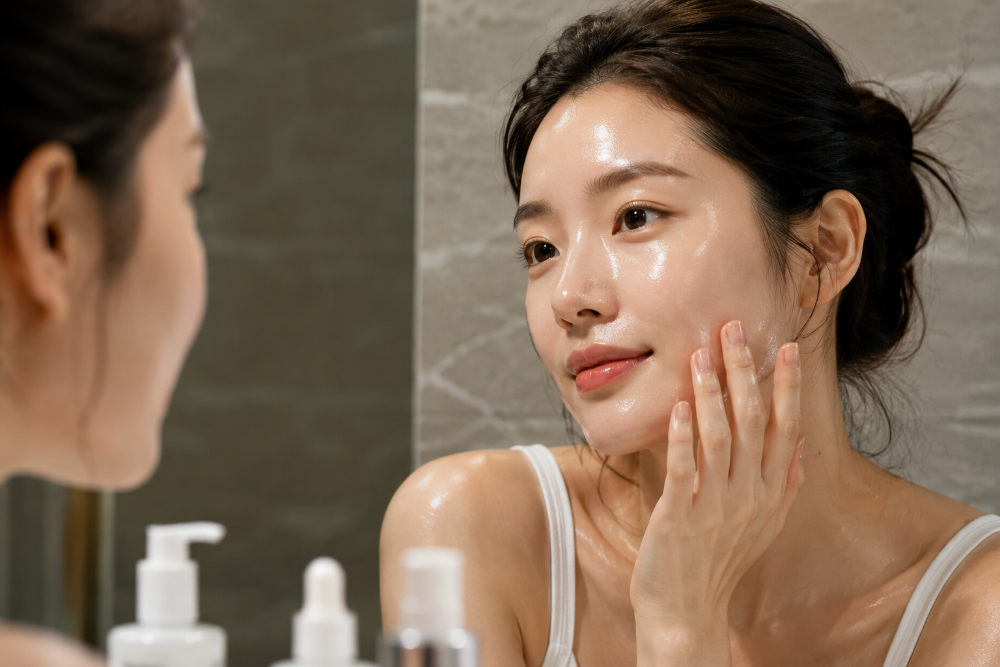

The science behind glass skin has become one of the most discussed topics in modern beauty, especially as consumers move beyond viral skincare trends and seek evidence based results. While the glass skin aesthetic originated through Korean beauty culture, dermatologists and skincare experts increasingly emphasize that achieving radiant skin depends on long term skin health rather than perfection. In 2026, the conversation has shifted from chasing flawless complexions to building resilient, hydrated, and balanced skin through proven skincare practices.
The popularity of the glass skin routine reflects the global influence of K beauty skincare and its focus on prevention, hydration, and consistency. Moreover, consumers now understand that healthy, luminous skin develops through daily habits rather than a single miracle product. This shift aligns with a broader movement toward science driven beauty and realistic skincare goals.
Achieving healthy glowing skin requires attention to several biological factors, including hydration, barrier function, cell turnover, and sun protection. Consequently, skincare brands are investing heavily in research supported formulations that strengthen skin health over time. At the same time, demand for effective hydrating skincare continues growing as people prioritize long term skin resilience.
Understanding the science behind glass skin means recognizing that radiance comes from healthy skin functioning properly. Therefore, the most effective routines focus on supporting the skin’s natural processes through consistent care, scientifically supported ingredients, and realistic expectations.
Understanding the Science Behind Glass Skin
To understand glass skin, it is important to examine how healthy skin functions biologically. Contrary to popular belief, glass skin is not simply about shine or surface level glow. Instead, it reflects skin that maintains optimal hydration, smooth texture, strong barrier function, and balanced cellular renewal.
The outermost layer of skin serves as a protective barrier. This barrier helps retain moisture while defending against environmental stressors. When the barrier becomes compromised, skin often appears dull, rough, dehydrated, or irritated. Therefore, maintaining barrier integrity is essential for achieving a naturally radiant complexion.
Hydration also plays a central role. Well hydrated skin reflects light more evenly, creating the luminous appearance often associated with glass skin. Moreover, hydration supports elasticity and comfort while improving overall skin texture.
Several scientific principles contribute to healthy skin:
- Strong skin barrier function
- Consistent moisture retention
- Balanced cell turnover
- Effective sun protection
- Adequate collagen support
- Reduced inflammation
Meanwhile, dermatologists increasingly encourage long term skin health rather than aggressive treatments that promise rapid transformation. Consequently, modern skincare focuses on prevention, maintenance, and gradual improvement.
As scientific understanding evolves, consumers are becoming more informed about ingredient efficacy and skin biology. This foundation helps explain why certain skincare practices consistently support healthier and more radiant skin.
What Really Works for Glass Skin?
Skin Barrier Health
Skin barrier health forms the foundation of any successful glass skin approach. The barrier consists of skin cells and protective lipids that work together to maintain hydration and defend against external irritants.
When the barrier functions effectively, skin retains moisture more efficiently and appears smoother. However, excessive exfoliation and harsh products can weaken this protective system.
Expert recommendations
- Use gentle cleansers
- Avoid excessive exfoliation
- Support barrier lipids
- Maintain consistent hydration
Barrier focused care benefits all skin types and remains one of the most important aspects of achieving long term skin health.
Hydration and Moisture Retention
Hydration plays a crucial role in creating the appearance associated with glass skin. Well hydrated skin appears smoother, plumper, and more reflective.
Many people mistakenly assume hydration only involves drinking water. In reality, topical moisturizers and humectants help maintain moisture within the skin.
Scientific benefits include improved elasticity, enhanced comfort, and smoother texture. Consequently, hydration remains a cornerstone of effective skincare routines.
Gentle Chemical Exfoliation
Exfoliation supports healthy skin by encouraging the removal of dead surface cells. However, modern dermatology favors gentle chemical exfoliation over aggressive physical scrubs.
Ingredients such as alpha hydroxy acids and polyhydroxy acids can improve texture and brightness when used appropriately. Moreover, controlled exfoliation promotes more even skin tone.
Common misconceptions include believing that frequent exfoliation accelerates results. In contrast, excessive exfoliation often damages the barrier and increases irritation.
Vitamin C
Vitamin C remains one of the most researched skincare ingredients available today. This antioxidant helps defend skin against environmental stress while supporting brightness and collagen production.
Ideal for many skin types, Vitamin C contributes to a more even complexion and improved radiance. Additionally, it works particularly well within morning skincare routines.
Best practices include gradual introduction and consistent use alongside sunscreen for optimal protection.
Niacinamide
Niacinamide continues gaining popularity because of its versatility and broad range of benefits. This ingredient supports barrier function, regulates oil production, and improves overall skin appearance.
Many dermatologists recommend niacinamide because it suits various skin types, including sensitive and acne prone skin. Therefore, it remains a common component of many glass skin products.
Its gentle nature makes it particularly valuable for long term routine building.
Hyaluronic Acid
Hyaluronic acid has become synonymous with hydration. This ingredient attracts and retains water, helping skin appear fuller and more hydrated.
Benefits include:
- Improved moisture retention
- Enhanced skin comfort
- Temporary plumping effect
- Smoother appearance
Despite its popularity, hyaluronic acid works best when combined with moisturizers that help seal hydration into the skin.
| Skincare Element | Primary Benefit | Best For | Scientific Role |
|---|---|---|---|
| Skin Barrier Care | Protection and hydration | All skin types | Maintains barrier function |
| Hydration | Moisture balance | Dry and dehydrated skin | Supports elasticity |
| Gentle Exfoliation | Smoother texture | Most skin types | Encourages cell turnover |
| Vitamin C | Brightening support | Dull skin | Antioxidant protection |
| Niacinamide | Barrier support | Sensitive and oily skin | Improves resilience |
| Hyaluronic Acid | Water retention | Dehydrated skin | Enhances hydration |
Ceramides
Ceramides are naturally occurring lipids that help maintain the skin barrier. Many skincare experts consider them essential for healthy skin maintenance.
When ceramide levels decline, skin may experience dryness and increased sensitivity. Consequently, ceramide rich products often improve comfort and resilience.
Ceramides are particularly beneficial for individuals focusing on skin barrier repair and long term skin health.
Peptides
Peptides support communication within the skin and may contribute to improved firmness and overall appearance. As skincare science advances, peptide technologies continue evolving.
Luxury skincare brands increasingly incorporate peptide complexes into formulations designed to support healthy aging and skin resilience.
Although peptides do not provide immediate transformation, consistent use often contributes to gradual improvements over time.
Daily Sunscreen
No discussion of glass skin would be complete without sunscreen. Ultraviolet exposure contributes significantly to premature aging, uneven pigmentation, and collagen breakdown.
Daily sunscreen helps preserve the benefits achieved through other skincare practices. Moreover, it protects skin from ongoing environmental damage.
Many experts consider sunscreen the most important step within any skincare routine.
Consistent Skincare Routines
Consistency ultimately determines long term results. Even the most effective ingredients require regular use to deliver meaningful improvements.
Many consumers become discouraged when results do not appear immediately. However, skin typically responds gradually to positive changes. Therefore, patience remains essential.
Collectively, these practices form the foundation of an effective and scientifically supported approach to achieving healthier and more radiant skin.
Building an Effective Glass Skin Routine
A successful Korean skincare routine does not require dozens of products. Instead, it focuses on selecting appropriate ingredients and maintaining consistency.
Morning routines typically emphasize cleansing, hydration, antioxidant protection, moisturization, and sunscreen application. Meanwhile, evening routines focus on cleansing, repair, hydration, and recovery.
Several routine essentials deserve attention:
- Gentle cleansing
- Hydration support
- Barrier focused moisturization
- Antioxidant protection
- Sun protection
- Consistent application
Product layering also matters. Generally, lighter products apply before heavier formulations to maximize absorption and effectiveness.
Avoiding over exfoliation remains equally important. While exfoliation supports brightness and smoothness, excessive use often undermines skin health. Consequently, moderation frequently produces better long term outcomes.
Lifestyle habits further influence results. Adequate sleep, stress management, nutrition, and hydration all contribute to skin appearance and function.
As skincare becomes increasingly personalized, individuals benefit from routines tailored to their unique needs rather than blindly following trends.
Skincare Trends Shaping Healthy Skin in 2026
Several major developments continue influencing skincare innovation and consumer preferences.
Personalized skincare remains among the most significant trends. Advances in technology allow brands to develop increasingly customized solutions based on individual concerns and skin characteristics.
Meanwhile, skin barrier repair has become a central focus across the beauty industry. Consumers now recognize that barrier support often provides greater benefits than aggressive treatments.
Biotechnology is also transforming skincare development. Researchers continue identifying innovative ingredients that enhance performance while maintaining safety and tolerability.
Additional trends shaping the industry include:
- Ingredient transparency
- Minimalist skincare routines
- Preventive skincare
- Healthy aging strategies
- Evidence based formulations
| Skincare Trend | Main Benefit | Ideal Skin Type | Long Term Value | Popularity in 2026 |
| Personalized Skincare | Customized care | All skin types | Very High | Very High |
| Skin Barrier Repair | Stronger resilience | Sensitive skin | Very High | Very High |
| Biotechnology | Advanced formulations | Most skin types | High | High |
| Ingredient Transparency | Better decisions | All consumers | High | Very High |
| Minimalist Routines | Reduced irritation | Sensitive skin | High | High |
| Healthy Aging | Long term prevention | Mature skin | Very High | Very High |
These trends reflect a broader shift toward sustainability, education, and realistic beauty expectations.
Unique Insight: Why the Science Behind Glass Skin Matters More Than Ever?
The science behind glass skin is no longer focused on achieving an unrealistic flawless appearance. Instead, modern skincare increasingly emphasizes resilient skin, healthy barrier function, balanced hydration, and scientifically supported ingredients rather than temporary cosmetic effects.
Consumers are becoming more knowledgeable about skin biology and ingredient efficacy. Consequently, many now prioritize long term skin health over viral beauty shortcuts that often lack scientific support.
Today’s most successful routines focus on consistency rather than complexity. Moreover, evidence based ingredients such as ceramides, niacinamide, sunscreen, and humectants often deliver greater value than constantly changing products.
The future of skincare belongs to personalized approaches that combine preventive care, ingredient transparency, and sustainable habits. Therefore, healthy skin becomes a reflection of ongoing maintenance rather than perfection.
True glass skin reflects overall skin health. As a result, patience, consistency, and science provide more meaningful results than quick fixes or unrealistic expectations.
Conclusion
The science behind glass skin demonstrates that radiant skin develops through healthy biological function rather than miracle products. Strong barrier health, effective hydration, balanced exfoliation, sunscreen use, and scientifically supported ingredients all contribute to achieving a smoother and more luminous complexion.
Moreover, modern skincare increasingly prioritizes prevention, personalization, and long term wellness. The growing popularity of glass skin routine strategies reflects a broader understanding that healthy skin requires consistency and patience.
As skincare science continues evolving, consumers benefit from focusing on proven ingredients, realistic goals, and sustainable habits. Consequently, the future of healthy glowing skin lies not in perfection, but in supporting skin health through evidence based care. By embracing these principles, individuals can achieve naturally radiant skin that reflects genuine health rather than temporary cosmetic effects.
Frequently Asked Questions
What is the science behind glass skin?
The science involves maintaining hydration, supporting barrier function, encouraging balanced cell turnover, and protecting skin through evidence based skincare practices.
Can anyone achieve glass skin?
Most people can improve skin radiance and texture through consistent skincare, although genetics and individual skin conditions influence results.
What ingredients are best for glass skin?
Popular options include hyaluronic acid, niacinamide, ceramides, Vitamin C, peptides, and sunscreen for comprehensive skin support.
Is hyaluronic acid necessary for glass skin?
It is not mandatory, but it can significantly improve hydration and moisture retention when used correctly within a balanced routine.
Why is skin barrier repair important?
A healthy barrier helps retain moisture, reduce sensitivity, and support overall skin resilience, making it essential for healthy skin.
Does exfoliation help achieve glass skin?
Yes, gentle exfoliation can improve texture and brightness. However, excessive exfoliation often damages the barrier and causes irritation.
How long does it take to develop a glass skin routine?
Most people notice gradual improvements within several weeks, while more significant changes often require consistent care over several months.
Can glass skin be achieved without Korean skincare products?
Absolutely. Effective skincare depends on ingredients and consistency rather than product origin, although Korean beauty popularized many glass skin concepts.
What mistakes prevent healthy glowing skin?
Over exfoliation, skipping sunscreen, inconsistent routines, harsh products, and neglecting hydration commonly interfere with skin health.
Why is the science behind glass skin becoming more important?
The science behind glass skin helps consumers focus on evidence based practices, long term skin health, and realistic expectations instead of chasing temporary trends.