



The beauty industry is undergoing a profound transformation, and luxury skincare now sits at the center of modern beauty culture. In 2026, consumers increasingly prioritize healthy, radiant skin over dramatic cosmetic coverage, signaling a major shift in how beauty is defined across affluent and mainstream markets alike. Heavy makeup trends that once dominated social media, celebrity culture, and prestige beauty campaigns are gradually losing influence. Meanwhile, skincare-focused beauty routines continue gaining momentum among younger consumers, wellness-conscious audiences, and high-income buyers seeking long-term skin health rather than temporary aesthetic enhancement.
This evolution reflects more than a simple product preference. Luxury skincare has become deeply connected to identity, wellness, and lifestyle aspiration. Consumers increasingly view skincare routines as daily rituals tied to self-care, emotional wellbeing, discipline, and longevity. Consequently, premium skincare brands are expanding aggressively into treatment-driven products, biotech ingredients, and personalized skin solutions designed to optimize appearance naturally.
Moreover, minimalist beauty trends continue reshaping global beauty standards. Social media platforms increasingly promote “clean skin” aesthetics, dewy complexions, and low-makeup lifestyles that emphasize authenticity over perfection. In contrast to the heavily contoured beauty era of the late 2010s, modern luxury beauty culture celebrates skin texture, glow, and overall skin vitality.
Affluent consumers also spend significantly more on preventative beauty investments. Rather than relying on full-coverage makeup to conceal imperfections, they increasingly invest in serums, non-invasive treatments, luxury facials, and science-backed skincare systems designed to improve skin quality directly. Therefore, luxury skincare is evolving into one of the beauty industry’s most influential status categories—one rooted equally in wellness, sophistication, and long-term self-investment.
Why Luxury Skincare Is Overtaking Heavy Makeup?
Luxury skincare has gained dominance because beauty ideals themselves have changed dramatically. Consumers increasingly favor natural-looking skin, subtle enhancement, and healthy complexions instead of highly sculpted cosmetic appearances. Consequently, skincare routines now carry more cultural relevance than elaborate makeup techniques.
Wellness culture also plays a major role in this transformation. Modern consumers increasingly associate beauty with sleep quality, stress management, hydration, nutrition, and holistic health. Therefore, skincare aligns naturally with broader wellness lifestyles in ways heavy makeup no longer does.
Moreover, younger generations often view excessive makeup as outdated or overly performative. Minimalist beauty aesthetics encourage authenticity and comfort, while skincare-first routines support everyday practicality. For example, consumers increasingly prefer lightweight tinted products paired with premium serums rather than full-coverage foundations layered heavily across the skin.
Social media accelerated this behavioral shift significantly. Platforms such as TikTok and Instagram now emphasize skincare education, realistic routines, ingredient awareness, and treatment transparency. As a result, skincare has become culturally aspirational rather than merely functional.
Additionally, skincare creates the perception of long-term self-discipline and lifestyle refinement. Healthy skin increasingly symbolizes balance, wellness, and financial investment in oneself. Consequently, luxury skincare carries emotional and social value beyond cosmetic performance alone.
The Rise of Premium Skincare Brands
Premium skincare brands continue expanding because consumers increasingly treat skincare as a serious long-term investment category. Medical-grade products, clinical formulations, and dermatologist-backed brands now attract substantial attention from affluent buyers seeking measurable skin improvements.
Meanwhile, celebrity skincare lines have also transformed the luxury beauty landscape. Unlike traditional celebrity makeup collaborations, modern beauty founders increasingly position themselves around wellness, skin optimization, and minimalist beauty philosophies. This strategy resonates strongly with younger audiences seeking authenticity and preventative care.
Science-backed formulations also contribute significantly to the luxury skincare boom. Consumers now actively research peptides, exosomes, microbiome science, retinoids, and collagen-supporting ingredients before purchasing products. Therefore, skincare brands increasingly emphasize clinical credibility alongside aesthetic branding.
Additionally, luxury packaging and personalization elevate skincare into an experiential category. Elegant glass bottles, AI-powered diagnostics, and customized routines create emotional attachment and exclusivity. Consequently, skincare purchases increasingly resemble luxury lifestyle investments rather than ordinary cosmetic transactions.
| Beauty Category | Consumer Shift | Luxury Appeal | Wellness Value | Market Growth Impact |
|---|---|---|---|---|
| Heavy Makeup | Declining demand | Moderate | Limited | Slower growth |
| Luxury Skincare | Rapid adoption | Very High | Strong | Significant expansion |
| Minimalist Cosmetics | Increasing popularity | High | Moderate | Steady growth |
| Clinical Treatments | Preventative focus | Very High | Strong | Accelerating demand |
| Wellness Beauty Products | Lifestyle integration | High | Exceptional | Expanding globally |
Minimalist Beauty and the “Clean Skin” Aesthetic
Minimalist beauty aesthetics now dominate luxury beauty culture. Rather than emphasizing dramatic transformation, consumers increasingly prioritize enhancement that appears effortless, refined, and natural. Consequently, “clean skin” aesthetics have become highly aspirational across social media and luxury branding campaigns.
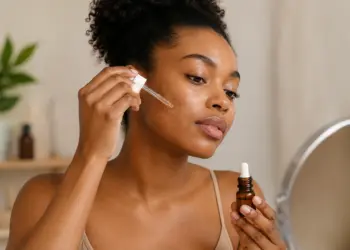
The dewy skin trend represents this shift clearly. Radiant, hydrated complexions now symbolize health, youthfulness, and modern sophistication. Meanwhile, overly matte or heavily contoured makeup styles continue declining in relevance.
Additionally, skincare-focused routines simplify beauty consumption. Consumers increasingly prefer fewer products with multifunctional benefits rather than elaborate cosmetic layering. Therefore, skincare routines emphasizing hydration, repair, and protection align perfectly with minimalist lifestyles.
Social media strongly reinforces these ideals. “Get ready with me” content increasingly highlights skincare preparation instead of dramatic makeup application. Moreover, beauty influencers frequently discuss barrier repair, ingredient education, and skin health optimization rather than cosmetic concealment.
Authenticity also shapes this trend significantly. Consumers increasingly value visible individuality and realistic beauty standards. Consequently, luxury skincare supports beauty ideals centered on confidence, health, and refinement rather than perfection.
Wellness Culture Is Reshaping the Beauty Industry
Beauty and wellness now operate as deeply interconnected industries. Consumers increasingly approach skincare through a holistic lens that includes nutrition, sleep quality, stress reduction, and mental wellbeing.
The “beauty-from-within” philosophy continues gaining traction across affluent markets. Supplements, collagen powders, hydration strategies, and anti-inflammatory nutrition increasingly complement luxury skincare routines. Consequently, skincare no longer functions as an isolated cosmetic category.
Meanwhile, stress management has become particularly relevant within skin wellness conversations. Consumers increasingly recognize links between cortisol, inflammation, acne, and premature aging. Therefore, luxury skincare brands often integrate wellness narratives involving mindfulness, recovery, and emotional balance.
Luxury spa culture also continues evolving rapidly. High-end wellness resorts increasingly offer advanced facials, longevity treatments, LED therapies, and regenerative skincare programs designed to optimize both appearance and wellbeing.
Additionally, consumers increasingly seek rituals rather than quick fixes. Evening skincare routines now function as self-care experiences associated with calmness, routine, and psychological restoration.
| Trend | Heavy Makeup Era | Luxury Skincare Era | Consumer Priority Shift | Industry Impact |
|---|---|---|---|---|
| Beauty Goal | Transformation | Optimization | Health-focused beauty | Skincare expansion |
| Consumer Identity | Glamour-driven | Wellness-driven | Authenticity & longevity | Industry repositioning |
| Product Focus | Coverage products | Treatment products | Prevention over concealment | Clinical skincare growth |
| Beauty Routine | Cosmetic layering | Skin maintenance | Simplification | Minimalist beauty rise |
| Social Media Influence | Makeup tutorials | Skincare education | Transparency | Ingredient-focused marketing |
Why Affluent Consumers Spend More on Skincare?
Affluent consumers increasingly prioritize skincare because they view it as preventative investment rather than cosmetic spending. Instead of correcting visible aging later, many consumers now adopt proactive routines designed to preserve skin quality long-term.
Anti-aging priorities significantly influence luxury skincare spending. Premium consumers increasingly seek products supporting collagen production, elasticity, hydration, and cellular repair. Consequently, luxury skincare often occupies the same psychological category as fitness, nutrition, and longevity wellness.
Status signaling also contributes to premium skincare consumption. In modern luxury culture, healthy skin increasingly communicates lifestyle quality, discipline, and access to advanced wellness resources. Therefore, luxury skincare products function partly as subtle status symbols.
Moreover, affluent consumers often demand premium ingredients and scientific innovation. Rare botanical extracts, biotech compounds, and clinical testing increase product desirability within luxury markets.
The psychology behind luxury skincare also reflects emotional investment. Consumers increasingly associate skincare with self-respect, confidence, and future wellbeing. As a result, premium skincare purchases feel emotionally justified in ways heavy cosmetic spending sometimes does not.
Technology and Innovation in Luxury Skincare
Technology continues transforming the luxury skincare industry at remarkable speed. AI-powered skin diagnostics now analyze hydration levels, pigmentation, elasticity, and environmental damage with increasing accuracy.
Meanwhile, personalized formulations represent one of the industry’s fastest-growing sectors. Consumers increasingly expect skincare products tailored specifically to genetics, lifestyle habits, climate exposure, and hormonal patterns.
Biotech beauty ingredients also reshape luxury skincare innovation. Lab-engineered collagen alternatives, microbiome balancing compounds, and regenerative peptides increasingly dominate premium product development. Consequently, skincare brands now compete heavily on scientific sophistication.
Non-invasive skincare treatments continue growing alongside topical skincare products. LED therapy, radiofrequency treatments, laser technologies, and skin tightening procedures increasingly appeal to consumers seeking subtle optimization without surgical intervention.
Additionally, digital beauty ecosystems continue expanding rapidly. Consumers now engage with skincare brands through apps, virtual consultations, AI tracking systems, and subscription-based treatment plans. Therefore, luxury skincare increasingly operates as a personalized wellness technology category.
Social Media’s Role in the Luxury Skincare Boom
Social media transformed skincare into a dominant cultural phenomenon. TikTok, Instagram, and YouTube now function as major educational platforms where consumers learn about ingredients, skin conditions, and treatment strategies.
Influencer beauty culture has also evolved significantly. Instead of promoting excessive cosmetic transformation, many creators now emphasize transparency, realistic skin texture, and long-term skincare routines.
Meanwhile, “get ready with me” content increasingly prioritizes skincare preparation. Morning hydration rituals, nighttime recovery routines, and treatment layering now generate enormous engagement online.
Educational skincare content also changed consumer expectations dramatically. Audiences increasingly understand ingredient science, formulation quality, and dermatological terminology. Consequently, skincare consumers often make highly informed purchasing decisions.
Luxury skincare communities online further reinforce aspirational beauty behavior. Consumers share routines, treatment journeys, and wellness habits that position skincare as both lifestyle expression and self-investment.
The Future of Luxury Skincare in 2026 and Beyond
Luxury skincare will likely become even more personalized in the coming years. AI-driven customization, biometric tracking, and predictive diagnostics may soon allow consumers to optimize skincare routines with extraordinary precision.
Longevity-focused beauty products will also expand significantly. Consumers increasingly seek products supporting cellular health, inflammation reduction, and long-term skin vitality rather than short-term cosmetic enhancement alone.
Meanwhile, wellness-tech integration will continue reshaping the industry. Smart mirrors, skin scanners, wearable hydration trackers, and connected skincare devices may become standard components of premium beauty ecosystems.
Sustainability will remain equally important. Affluent consumers increasingly demand refillable packaging, ethical sourcing, and environmentally responsible production practices. Therefore, luxury beauty brands must balance innovation with ecological responsibility.
The boundary between dermatology and luxury beauty will likely continue dissolving as clinical credibility becomes central to premium skincare branding.
Unique Insight: Luxury Skincare Reflects a New Beauty Psychology
The rise of luxury skincare reflects deeper cultural changes in modern affluent behavior. Beauty increasingly revolves around wellness, optimization, and emotional wellbeing rather than dramatic cosmetic transformation.
Healthy skin now symbolizes discipline, balance, and lifestyle quality. Consequently, skincare routines communicate far more than aesthetic preference alone. They often represent financial investment, personal structure, and long-term self-care priorities.
Moreover, affluent consumers increasingly prioritize prevention over correction. Instead of relying heavily on makeup to mask concerns temporarily, they invest directly in improving skin condition through advanced treatments and premium skincare systems.
Luxury beauty markets are therefore shifting toward personalization and scientific sophistication. Consumers expect skincare routines tailored specifically to their biology, environment, and wellness goals.
Meanwhile, future beauty industries may focus more on skin optimization than cosmetic enhancement altogether. Minimal makeup aesthetics, wellness integration, and regenerative skincare technologies suggest a future where healthy skin itself becomes the ultimate luxury beauty standard.
Luxury skincare is no longer simply a cosmetic routine. It has evolved into a status-driven wellness category shaped by psychology, longevity culture, and the modern pursuit of refined natural beauty.
FAQs
Why is luxury skincare becoming more popular?
Consumers increasingly prioritize wellness, preventative beauty, and healthy skin over heavy cosmetic coverage.
Is skincare replacing makeup in 2026?
Skincare is not eliminating makeup entirely; however, skincare-focused beauty routines now dominate luxury beauty trends.
What defines luxury skincare?
Luxury skincare combines premium ingredients, scientific innovation, personalization, sophisticated branding, and wellness-focused positioning.
Why are minimalist beauty trends growing?
Consumers increasingly prefer natural-looking beauty, authenticity, and low-maintenance skincare-focused routines.
Do affluent consumers spend more on skincare?
Yes. Affluent consumers often invest heavily in preventative skincare, anti-aging products, and advanced skin treatments.
What is the clean skin aesthetic?
The clean skin aesthetic emphasizes radiant, hydrated, natural-looking skin with minimal cosmetic coverage.
How does wellness influence beauty trends?
Wellness culture connects beauty with sleep, nutrition, hydration, stress management, and long-term health optimization.
Are premium skincare products worth it?
Some premium skincare products offer advanced formulations and clinically tested ingredients; however, effectiveness varies by formulation and skin type.
How is technology changing skincare?
AI diagnostics, personalized formulas, biotech ingredients, and digital beauty platforms are transforming skincare innovation.
What is the future of the luxury beauty industry?
The future centers on personalization, longevity-focused skincare, wellness integration, sustainable packaging, and science-backed beauty solutions.