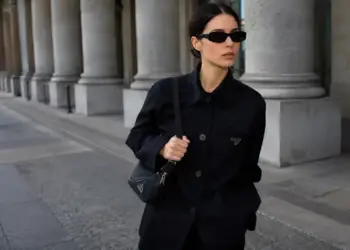





In an era when luxury fashion brands compete fiercely for relevance among younger consumers, few success stories have been as remarkable as Miu Miu’s rise to cultural dominance. Once viewed as the more playful and niche sibling within the Prada Group portfolio, Miu Miu has transformed into one of the most influential names in contemporary fashion. Its collections spark global conversations, its accessories frequently sell out, and its runway shows generate enormous engagement across social media platforms.
The relationship between gen z and miu miu has become one of the defining fashion narratives of the decade. As Gen Z gains purchasing power and cultural influence, the generation is reshaping what luxury means. Traditional status symbols are no longer enough. Younger consumers increasingly seek brands that reflect individuality, creativity, and personal identity.
Social media has accelerated this transformation. TikTok, Instagram, and digital fashion communities have created new pathways for trends to emerge and spread globally within hours. In this environment, Miu Miu has positioned itself perfectly not simply as a luxury label but as a cultural participant.
What makes Miu Miu particularly fascinating is how it has become both a fashion powerhouse and a symbol of modern youth culture. The connection between gen z and miu miu reflects broader changes across luxury fashion, where authenticity, self-expression, and cultural relevance often matter more than traditional prestige alone.
How Miu Miu Became Fashion’s Hottest Luxury Brand?
Miu Miu was founded by Miuccia Prada as a distinct creative expression within the Prada universe. While Prada often represented intellectual sophistication and refined minimalism, Miu Miu offered a more experimental, youthful perspective. For years, it occupied a unique position within luxury fashion, attracting devoted followers while remaining somewhat under the mainstream radar.
Over the past several years, however, the brand has undergone a dramatic transformation. Strategic positioning, highly memorable runway collections, and a clear understanding of youth culture have elevated Miu Miu into one of the industry’s most talked-about labels. Rather than chasing trends, the brand has consistently introduced ideas that influence the broader fashion conversation.
This reflects a broader shift in luxury fashion. Brands that succeed today are not necessarily the oldest or most established. Instead, they are the ones capable of creating emotional connections and generating cultural momentum. Miu Miu has mastered both.
Its association with the Prada Group also provides significant advantages. Access to luxury craftsmanship, global distribution, and strong creative leadership allows the brand to innovate while maintaining credibility within the high-fashion world.
The Appeal of Playful Luxury
One of the biggest reasons behind the success of gen z and miu miu is the brand’s embrace of playful luxury. Unlike traditional luxury houses that often emphasize formality and exclusivity, Miu Miu celebrates experimentation and individuality.
Its collections frequently combine unexpected proportions, youthful styling, and nostalgic references. Mini skirts, layered knitwear, ballet flats, oversized outerwear, and unconventional accessories create a visual language that feels fresh and distinctive.
For Gen Z consumers, fashion is often viewed as a tool for storytelling rather than simply a status marker. Miu Miu aligns perfectly with this mindset because it encourages creativity rather than conformity.
Key elements that resonate with younger consumers include:
- Individuality
- Self-expression
- Creativity
- Authenticity
- Personal styling freedom
In many ways, the brand has rewritten the rules of luxury dressing. Rather than presenting a rigid image of sophistication, it invites consumers to interpret fashion in their own way.
Social Media and the Miu Miu Effect
The rise of TikTok and Instagram has fundamentally changed how luxury brands build influence. Traditional advertising remains important, but viral moments now play an equally significant role in shaping consumer demand.
Miu Miu has become exceptionally effective at generating digital engagement. Runway looks frequently dominate social feeds, fashion creators analyze collections in detail, and influencers integrate Miu Miu pieces into everyday styling content. This constant visibility reinforces the brand’s relevance among younger audiences.
The viral nature of fashion today means that a single runway look can become a global trend almost instantly. Miu Miu’s micro-skirts, ballet flats, layered preppy aesthetics, and distinctive accessories have repeatedly achieved this level of cultural penetration.
Fashion creators often describe Miu Miu as a brand that feels simultaneously luxurious and accessible from a creative standpoint. Consumers may not immediately purchase every item, but they participate in the conversation through styling inspiration, content creation, and trend interpretation.
Viral Miu Miu Trends
| Miu Miu Trend | Why It Went Viral | Gen Z Appeal | Fashion Impact |
|---|---|---|---|
| Ultra Mini Skirts | Unexpected proportions | Bold self-expression | Influenced global runway trends |
| Ballet Flats | Nostalgic yet modern | Everyday wearability | Major footwear resurgence |
| Preppy Layering | Easy to recreate | Personal styling flexibility | Widespread fashion adoption |
| Logo Accessories | Recognizable branding | Social media visibility | Increased luxury demand |
| School-Inspired Aesthetics | Youthful references | Relatable fashion storytelling | Cultural trend influence |
The Products Everyone Wants
While runway moments drive conversation, products ultimately sustain momentum. Miu Miu has successfully created highly desirable categories that generate both demand and brand visibility.
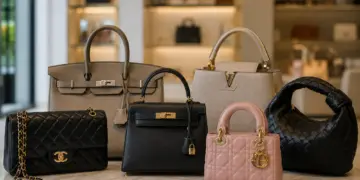
Miu Miu bags are among the most sought-after accessories in luxury fashion. Their combination of craftsmanship, recognizable design, and trend relevance makes them particularly attractive to younger luxury shoppers. Many consumers view a Miu Miu handbag as an entry point into the brand’s universe.
At the same time, Miu Miu clothing continues to shape fashion conversations globally. Knitwear, skirts, tailored pieces, and outerwear consistently appear in editorial features, influencer content, and street-style photography.
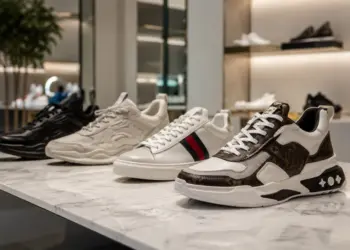
The brand’s footwear category has also experienced tremendous success. Ballet flats, loafers, and platform styles have become central elements of contemporary fashion trends.
Several product categories drive demand:
- Handbags
- Knitwear
- Footwear
- Sunglasses
- Jewelry
- Small leather goods
Together, these categories create a powerful ecosystem that keeps consumers engaged with the brand year-round.
Celebrity Influence and Pop Culture Relevance
Celebrity culture remains one of the most effective drivers of luxury desirability. Miu Miu has strategically aligned itself with influential figures across entertainment, music, film, and digital media.
High-profile ambassadors regularly appear in campaigns, editorial shoots, and fashion events. Their association helps introduce the brand to new audiences while reinforcing its position as a cultural leader.
Red carpet appearances also play a significant role. When celebrities wear Miu Miu at major events, the resulting media coverage often generates substantial attention across both traditional and digital platforms.
What makes the strategy particularly effective is its alignment with younger audiences. Rather than relying exclusively on established fashion icons, Miu Miu frequently collaborates with emerging cultural figures who resonate strongly with Gen Z consumers.
This approach helps the brand remain relevant in an environment where cultural influence can shift rapidly.
Why Gen Z Shops Luxury Differently?
Understanding gen z and miu miu requires understanding how younger consumers approach luxury altogether. Unlike previous generations, many Gen Z shoppers prioritize meaning and identity over traditional status signaling.
Luxury purchases increasingly serve as expressions of personality. Consumers seek products that align with their values, aesthetics, and cultural interests rather than simply demonstrating wealth.
This shift has profound implications for fashion brands. Visibility, relevance, and authenticity now influence purchasing decisions alongside craftsmanship and exclusivity.
Many younger consumers also engage with luxury fashion before making purchases. They follow brands online, consume fashion content, and participate in digital communities. This creates deeper emotional connections and stronger long-term loyalty.
Evolution of Luxury Consumer Values
| Traditional Luxury Values | Gen Z Luxury Values | Consumer Shift | Fashion Outcome |
| Status | Identity | Self-expression focus | Individual styling |
| Exclusivity | Community | Shared cultural experiences | Online engagement |
| Heritage | Relevance | Contemporary influence | Faster trend cycles |
| Formality | Creativity | Experimental dressing | Diverse aesthetics |
| Ownership | Participation | Fashion conversation involvement | Strong digital communities |
Miu Miu’s Role in Shaping Modern Fashion Trends
Few luxury brands influence trends as consistently as Miu Miu. Rather than reacting to existing consumer preferences, the brand often introduces ideas that eventually spread throughout the industry.
This ability to shape rather than follow trends has become one of its defining strengths. Fashion editors, influencers, and competing brands frequently reference Miu Miu collections as indicators of future market directions.
The brand’s impact extends beyond individual products. Entire aesthetic movements—including contemporary preppy dressing, nostalgic styling, and playful luxury—have been influenced by Miu Miu’s creative vision.
This reflects a broader shift in luxury fashion where cultural leadership has become increasingly valuable. Brands that create conversations often outperform those that simply respond to them.
As a result, Miu Miu’s influence can be seen far beyond its own customer base, shaping fashion choices across multiple market segments.
The Future of Miu Miu and Youth Luxury
Looking ahead, the relationship between gen z and miu miu is likely to remain highly influential. Younger consumers will continue to drive significant changes across the luxury landscape, and Miu Miu appears well positioned to benefit from these developments.
Global expansion presents considerable opportunities. As luxury demand grows in emerging markets, brands capable of balancing heritage with cultural relevance are likely to attract new audiences.
Digital innovation will also remain critical. Future luxury consumers expect seamless integration between physical experiences, online communities, and social media engagement. Miu Miu’s existing strengths in these areas provide a strong foundation for continued growth.
Sustainability, transparency, and ethical production may also play larger roles in purchasing decisions. Luxury brands that successfully address these expectations while maintaining creativity will enjoy a competitive advantage.
For Miu Miu, the challenge will be sustaining momentum while preserving the distinct identity that made it successful.
Unique Insight – Why Miu Miu Represents the New Luxury Mindset
Perhaps the most important lesson from the success of gen z and miu miu is that luxury itself is changing. Traditional concepts of exclusivity and status remain relevant, but they are no longer sufficient on their own.
Modern consumers increasingly view luxury as a reflection of personality. They seek products and brands that communicate creativity, individuality, and cultural awareness. Emotional connection has become just as important as craftsmanship.
What makes Miu Miu particularly fascinating is its ability to create this connection without sacrificing luxury credibility. The brand feels exclusive yet approachable, aspirational yet relatable.
This reflects a broader shift in luxury fashion. Cultural relevance has become a form of luxury currency. Brands that influence conversations and inspire creativity often generate stronger consumer engagement than those relying solely on heritage.
In many ways, Miu Miu represents the transition from aspirational fashion to participatory fashion. Consumers do not simply admire the brand from a distance; they actively engage with it through styling, content creation, and cultural discussion.
As a result, gen z and miu miu have become symbolic of a new era in luxury fashion—one defined by individuality, creativity, and meaningful cultural influence.
Conclusion
The extraordinary success of Miu Miu demonstrates how luxury fashion is evolving in response to changing consumer expectations. Through creative innovation, cultural relevance, social media visibility, and a deep understanding of youth identity, the brand has become one of the industry’s most influential forces.
The connection between gen z and miu miu goes far beyond products. It reflects a broader transformation in luxury fashion where self-expression, creativity, and participation increasingly shape consumer behavior.
As the luxury market continues to evolve, Miu Miu stands as one of the clearest examples of how brands can remain desirable by embracing change while staying true to their unique identity.
Frequently Asked Questions
Why is Miu Miu so popular with Gen Z?
Miu Miu appeals to Gen Z through creativity, individuality, social media visibility, and trend-setting fashion that encourages self-expression.
Is Miu Miu a luxury brand?
Yes. Miu Miu is a luxury fashion brand owned by the Prada Group and known for premium clothing, accessories, footwear, and handbags.
Who owns Miu Miu?
Miu Miu is owned by the Prada Group and was founded by Miuccia Prada.
Why are Miu Miu bags so popular?
They combine luxury craftsmanship, recognizable design, trend relevance, and strong social media visibility.
What makes Miu Miu different from Prada?
Miu Miu typically embraces a younger, more playful, and experimental aesthetic, while Prada often focuses on intellectual sophistication and refined minimalism.
Is Miu Miu worth the price?
Many consumers believe Miu Miu offers value through quality, design innovation, cultural relevance, and strong brand desirability.
Why does Miu Miu trend on TikTok?
Viral runway moments, influencer content, celebrity visibility, and highly recognizable products contribute to its popularity on TikTok.
What are Miu Miu’s most popular products?
Popular categories include handbags, ballet flats, knitwear, skirts, sunglasses, and leather accessories.
Is Miu Miu growing globally?
Yes. The brand continues expanding internationally while increasing its influence among younger luxury consumers.
What does Miu Miu represent in modern fashion?
Miu Miu represents a new luxury mindset centered on creativity, individuality, cultural relevance, and self-expression.