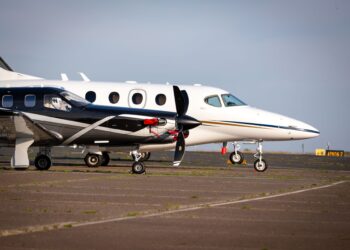



The global private aviation industry is entering a new era defined by technology, flexibility, and evolving traveler expectations. Wealthy individuals, multinational executives, entrepreneurs, and family offices increasingly demand seamless mobility solutions that provide speed, privacy, and global access without the constraints of traditional commercial aviation.
As a result, luxury private jet travel is undergoing a significant transformation. Rather than focusing solely on aircraft ownership, travelers are embracing access based models, subscription programs, and on demand jet booking platforms that offer greater flexibility and efficiency. Moreover, digital innovation is reshaping every aspect of the customer experience, from flight scheduling to aircraft selection.
The rise of private aviation trends 2026 reflects a broader shift toward personalized mobility. Luxury private aviation now extends beyond transportation and increasingly functions as a lifestyle infrastructure for global elites. Meanwhile, private jet charter companies are investing heavily in technology, sustainability initiatives, and customer focused ecosystems to remain competitive.
Whether through fractional ownership, membership programs, or digital marketplaces, the future of aviation is becoming more agile and accessible. This transformation is positioning luxury private jet travel as one of the fastest evolving sectors within the broader luxury travel industry.
What Is Driving the Future of Luxury Private Jet Travel in 2026?
Several powerful forces are accelerating the evolution of private aviation in 2026. The industry experienced significant growth following the global travel disruptions of the early 2020s, and demand has remained remarkably resilient among affluent travelers.
Moreover, globalization continues expanding the geographic footprint of UHNW lifestyles. Business leaders, investors, and entrepreneurs increasingly operate across multiple continents, creating demand for mobility solutions that maximize efficiency and reduce travel friction.
Key market drivers include:
- Growth of global wealth creation
- Increased demand for privacy and security
- Expansion of international business activity
- Rise of flexible aviation access models
- Integration of digital technologies
Meanwhile, younger generations of wealthy travelers often prioritize convenience over asset ownership. Consequently, aviation providers are developing services that emphasize accessibility, flexibility, and personalized experiences rather than traditional ownership structures.
Why Are Private Jet Companies Moving Toward Digital Platforms?
Digital transformation is becoming one of the most important competitive advantages within private aviation. Travelers increasingly expect the same convenience they receive from premium consumer technology platforms.
Mobile first booking systems now allow customers to search aircraft availability, compare routes, review pricing, and confirm flights within minutes. Additionally, these systems improve transparency while simplifying the overall booking process.
Several factors are driving this shift:
- Demand for instant booking capabilities
- Improved pricing transparency
- Enhanced customer experience
- Operational efficiency improvements
- Data driven service personalization
However, digitalization is not solely about convenience. Private jet operators also benefit from improved fleet utilization, predictive scheduling, and real time demand forecasting. Therefore, technology adoption delivers value for both customers and providers.
Major Trends Reshaping Private Aviation
| Trend | Description | Impact Level | Industry Effect |
|---|---|---|---|
| Digital Booking | Mobile and app based reservations | Very High | Greater accessibility |
| Membership Models | Subscription access programs | High | Reduced ownership reliance |
| AI Scheduling | Intelligent flight planning | Very High | Operational efficiency |
| Sustainability | SAF and carbon reduction efforts | High | Regulatory compliance |
| Dynamic Pricing | Real time fare adjustments | Medium | Revenue optimization |
How Do Leading Companies Shape Luxury Private Jet Travel?
Several major operators continue influencing the direction of the global private aviation industry. Each company approaches the market differently while contributing to broader innovation.
NetJets remains the dominant force in fractional jet ownership. Its extensive fleet and global reach make it a preferred option for travelers seeking predictable aircraft access without full ownership responsibilities.
VistaJet has pioneered a subscription focused model that emphasizes global consistency and luxury service. Consequently, it appeals strongly to internationally mobile clients who frequently travel between continents.
Other influential players include:
- Flexjet and its premium ownership programs
- Wheels Up membership ecosystem
- XO Aviation digital marketplace
- Emerging on demand charter platforms
Meanwhile, XO Aviation has gained attention for integrating technology with private aviation access. The company’s marketplace model enables travelers to compare and book flights through a highly digitalized platform, reflecting broader industry trends toward flexibility and convenience.
Which Technologies Are Transforming Luxury Private Jet Travel?
Technology is fundamentally changing how private aviation operates. Artificial intelligence, predictive analytics, and advanced data systems are becoming central components of modern aviation management.
AI powered scheduling platforms can analyze weather conditions, airport congestion, maintenance requirements, and customer preferences simultaneously. As a result, operators can optimize routes while improving reliability and efficiency.
Several technologies are driving transformation:
- AI based flight scheduling
- Predictive aircraft availability systems
- Real time fleet monitoring
- Dynamic pricing engines
- Smart operational optimization
Moreover, digital aviation marketplaces are creating more transparent ecosystems where travelers can access multiple operators through a single interface. Therefore, private aviation is becoming increasingly consumer friendly while maintaining exclusivity.
These innovations also improve aircraft utilization rates, which helps operators manage costs more effectively. Consequently, technology is becoming one of the primary competitive differentiators in the industry.
How Is Sustainability Changing Luxury Private Jet Travel?
Sustainability has become a critical topic within aviation. Although private aviation represents a small segment of total air traffic, industry leaders face growing pressure to reduce environmental impact.
Sustainable Aviation Fuel, commonly known as SAF, is emerging as one of the most practical solutions. Many operators are increasing SAF adoption across their fleets as production capacity expands globally.
Environmental initiatives include:
- Sustainable Aviation Fuel integration
- Carbon offset programs
- Fleet modernization strategies
- Hybrid electric aircraft research
- Improved operational efficiency
Meanwhile, aircraft manufacturers are investing heavily in next generation propulsion technologies. Although fully electric long range private jets remain years away, hybrid systems are progressing steadily.
Additionally, many UHNW travelers now consider sustainability part of luxury itself. Consequently, operators that successfully combine environmental responsibility with premium service may gain a significant competitive advantage.
What Are the Global Trends in Luxury Private Jet Travel?
The global private aviation market continues expanding across multiple regions. However, growth patterns vary significantly depending on local economic conditions and wealth creation trends.
The United States remains the dominant private aviation market, accounting for the majority of global private jet activity. Strong infrastructure, widespread business aviation adoption, and extensive airport networks support continued growth.
Important regional developments include:
- Strong US market leadership
- European luxury travel corridor expansion
- Middle East UHNW travel growth
- Asia Pacific wealth driven demand
- Mediterranean seasonal aviation networks
Meanwhile, Dubai and Abu Dhabi continue attracting affluent residents and international investors. As a result, demand for ultra luxury air travel throughout the Middle East remains exceptionally strong.
In contrast, Asia Pacific markets are benefiting from rapid wealth creation. Countries such as Singapore, India, and parts of Southeast Asia are generating increasing demand for private aviation solutions.
When Will Fully Digital Private Aviation Become Standard?
The transition toward fully digital private aviation is already underway. However, complete industry transformation will likely occur gradually over the next decade.
Many leading operators have already adopted advanced booking systems, customer applications, and operational technologies. Nevertheless, legacy processes and regulatory complexities still create barriers to full digital integration.
Several factors will influence adoption timelines:
- Technology maturity levels
- Regulatory developments
- Customer acceptance rates
- Operator investment strategies
- Competitive market pressure
Moreover, younger affluent travelers tend to embrace digital platforms more readily than previous generations. Consequently, demographic shifts will likely accelerate adoption.
Industry analysts expect that by the late 2020s, most private aviation transactions will occur through highly integrated digital ecosystems that combine booking, scheduling, payments, and concierge services within unified platforms.
How Is Luxury Private Jet Travel Becoming a Global Mobility Ecosystem?
One of the most important developments in the industry is the transformation of aviation from transportation into infrastructure.
Traditionally, private aviation focused on aircraft ownership and charter services. Today, however, luxury private jet travel increasingly functions as a comprehensive mobility ecosystem connecting travelers with global business, leisure, and lifestyle opportunities.
Several structural shifts are driving this evolution:
- Movement toward access over ownership
- Growth of on demand mobility models
- Integration of digital marketplaces
- Expansion of personalized travel ecosystems
- Increasing emphasis on time optimization
Moreover, aviation providers are becoming logistics partners rather than simply transportation companies. They coordinate ground transportation, concierge services, luxury accommodations, and travel planning within unified customer experiences.
Consequently, the future of private aviation revolves less around aircraft and more around seamless global mobility.
Conclusion
The future of private aviation is being shaped by technology, sustainability, flexibility, and changing consumer expectations. As digital platforms continue improving accessibility and operational efficiency, traditional ownership models are increasingly sharing space with membership programs, subscriptions, and on demand services.
Luxury private jet travel is evolving into a sophisticated mobility network designed around speed, convenience, and personalization. Meanwhile, industry leaders such as NetJets, VistaJet, Flexjet, Wheels Up, and XO Aviation continue developing innovative approaches that redefine how affluent travelers access private aircraft.
Additionally, sustainability initiatives and emerging aircraft technologies are creating new opportunities for responsible growth. As regulatory frameworks evolve and technological capabilities expand, private aviation will become more efficient, more connected, and increasingly customer focused.
Looking beyond 2026, the sector appears positioned for continued expansion. Therefore, luxury private jet travel is likely to remain one of the most important symbols of elite mobility while simultaneously becoming one of the most technologically advanced segments of global transportation.
Frequently Asked Questions?
What is the future of luxury private jet travel?
The future of luxury private jet travel centers on digital booking platforms, flexible access models, sustainability initiatives, and AI powered operational systems that improve efficiency and customer experience.
How is private aviation changing in 2026?
Private aviation is becoming more technology driven, with increased adoption of digital marketplaces, predictive scheduling tools, and membership based access programs.
Are private jets becoming more digital?
Yes. Mobile booking applications, AI scheduling systems, and real time aircraft tracking technologies are rapidly transforming private aviation operations.
What companies lead luxury private jet travel?
Major industry leaders include NetJets, VistaJet, Flexjet, Wheels Up, and XO Aviation, each offering unique ownership, subscription, or marketplace models.
Is private jet ownership still worth it?
Ownership remains valuable for frequent travelers. However, many clients now prefer fractional ownership, memberships, or charter programs due to greater flexibility.
What is the cost of luxury private jet travel?
Costs vary widely based on aircraft type, route, and service level. Short flights may start around several thousand dollars, while long range international flights can exceed six figures.
How does XO Aviation fit into private jet trends?
XO Aviation represents the industry’s move toward digital aviation marketplaces, providing flexible access and technology driven booking solutions.
Is sustainable aviation used in private jets?
Yes. Many operators increasingly utilize Sustainable Aviation Fuel and carbon reduction programs to support environmental goals.
What are NetJets alternatives?
Popular alternatives include VistaJet, Flexjet, Wheels Up, XO Aviation, and numerous premium charter operators worldwide.
What is the future of private aviation trends 2026?
Private aviation trends 2026 point toward increased digitalization, sustainable operations, flexible access models, AI integration, and expanding global demand from affluent travelers.