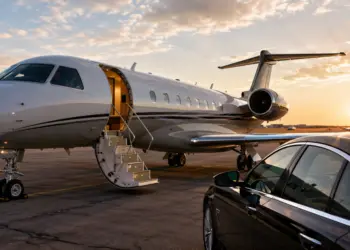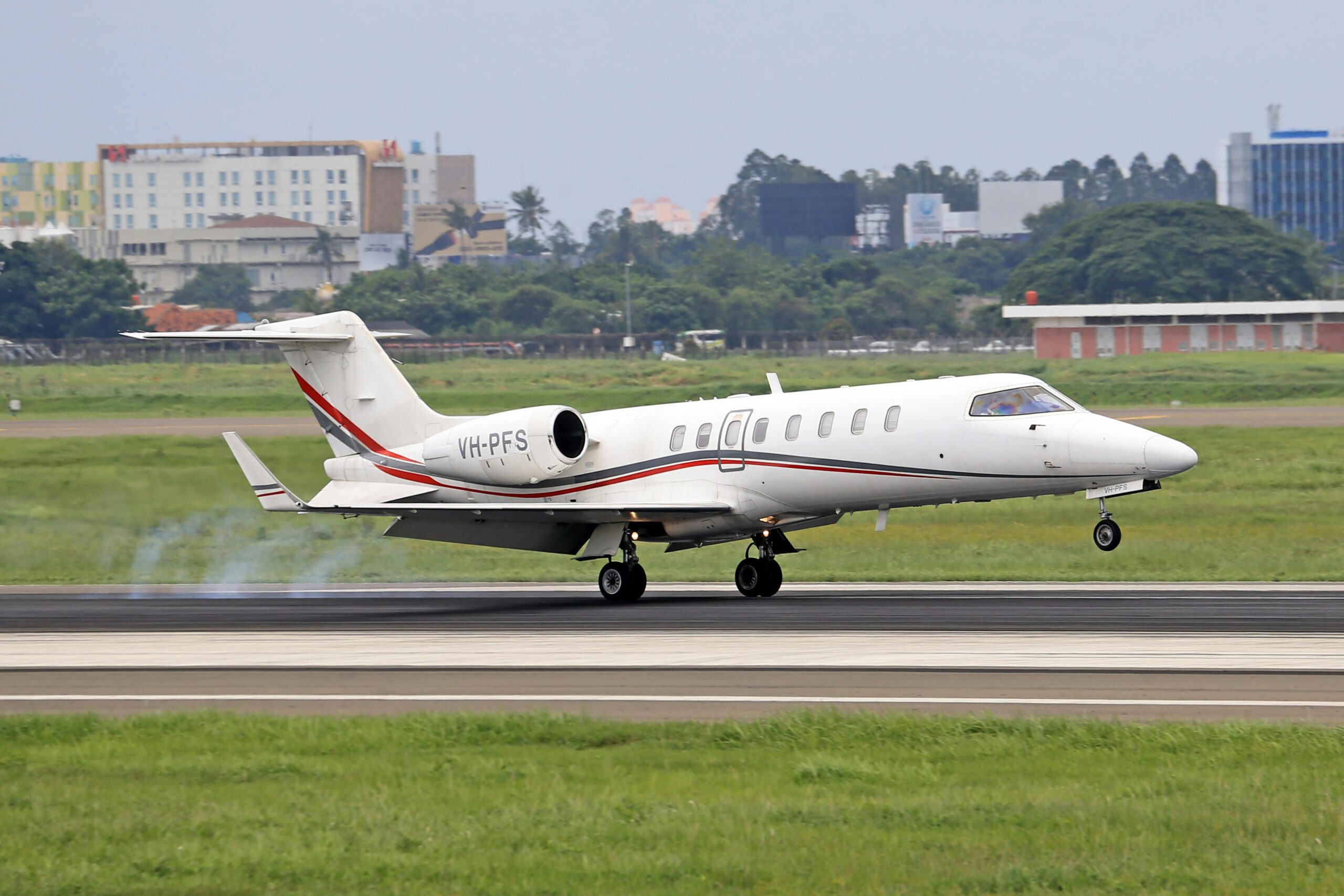









Private aviation continues to occupy a unique position within the global luxury travel market. While commercial airlines focus on scale and efficiency, private jet operators cater to travelers who value privacy, flexibility, security, and above all, time. For executives, entrepreneurs, celebrities, family offices, and ultra high net worth individuals, flying private remains one of the most powerful ways to optimize travel.
As luxury travel trends 2026 increasingly emphasize personalization and convenience, demand for private aviation continues to rise. Market reports indicate strong growth across North America, Europe, the Middle East, and Asia despite economic uncertainty, higher operating costs, and geopolitical volatility. Consequently, many travelers are evaluating whether private aviation delivers sufficient value relative to its significant expense.
Understanding Private Jet Travel Cost has become essential for luxury travel planning. Pricing structures vary dramatically depending on aircraft type, route length, seasonality, service level, and booking model. Moreover, private jet charter cost calculations often include expenses beyond simple flight hours, making transparency increasingly important for first time charter clients.
Whether evaluating private jet hourly rates, comparing ownership options, or exploring luxury private jet travel for business and leisure, understanding the economics behind private aviation can help travelers make informed decisions in 2026.
What Determines Private Jet Travel Cost in 2026?
Several factors influence Private Jet Travel Cost, and each plays a significant role in final pricing. Unlike commercial aviation, where passengers purchase individual seats, private aviation pricing is based on aircraft utilization and operational requirements.
Aircraft category remains the most important variable. Larger aircraft require more fuel, additional crew members, greater maintenance budgets, and higher airport handling expenses. Consequently, a turboprop flight differs significantly in cost from an ultra long range jet charter.
Other major cost drivers include:
- Flight distance and duration
- Fuel pricing fluctuations
- Airport landing and handling fees
- Crew accommodation requirements
- Aircraft positioning costs
- Seasonal demand patterns
Moreover, major events often create temporary pricing surges. For example, international gatherings such as Davos, the Monaco Grand Prix, Art Basel, and major sporting championships frequently increase charter rates due to elevated demand.
Why Do Private Jet Hourly Rates Vary So Widely?
Private jet hourly rates can range from under $2,500 per hour to well over $20,000 per hour depending on aircraft type and mission profile.
Smaller aircraft typically operate efficiently on shorter routes. However, larger jets offer greater range, enhanced cabin comfort, and more sophisticated onboard amenities. Therefore, travelers often pay substantially higher hourly rates for premium aircraft capabilities.
Several factors influence rate variations:
- Aircraft acquisition value
- Cabin size and luxury level
- Maximum flight range
- Crew requirements
- Maintenance complexity
Meanwhile, positioning flights can significantly affect total charter costs. If an aircraft must travel empty to pick up passengers, operators generally include those expenses in the quote.
How Much Do Different Private Jets Cost Per Hour?
Private aviation offers multiple aircraft categories designed for different travel needs. Each segment balances cost, comfort, range, and operational flexibility.
Turboprops
Turboprops remain among the most economical private aviation options. They perform exceptionally well on regional routes and can access smaller airports.
Typical characteristics:
- Hourly cost: $2,000 to $4,000
- Capacity: 4 to 8 passengers
- Ideal for short regional flights
- Strong operational efficiency
Very Light Jets
Very Light Jets provide an entry point into jet travel while maintaining relatively manageable costs.
Typical characteristics:
- Hourly cost: $2,500 to $4,500
- Capacity: 4 to 6 passengers
- Short to medium range missions
- Lower operating expenses
Light Jets
Light jets remain among the most popular charter categories due to their balance of comfort and affordability.
Typical characteristics:
- Hourly cost: $4,000 to $7,000
- Capacity: 6 to 8 passengers
- Business and leisure travel
- Enhanced speed and convenience
Midsize and Super Midsize Jets
Midsize and Super Midsize Jets offer greater cabin space and longer range capabilities.
Typical characteristics:
- Hourly cost: $6,500 to $12,000
- Capacity: 8 to 10 passengers
- Cross continental travel
- Superior comfort levels
Heavy Jets and Ultra Long Range Jets
Heavy jets dominate premium international travel.
Typical characteristics:
- Hourly cost: $10,000 to $20,000+
- Capacity: 10 to 16 passengers
- Intercontinental capabilities
- Luxury residential style cabins
| Aircraft Category | Hourly Cost Range | Passenger Capacity | Typical Use Case |
|---|---|---|---|
| Turboprop | $2,000 to $4,000 | 4 to 8 | Regional travel |
| Very Light Jet | $2,500 to $4,500 | 4 to 6 | Short business trips |
| Light Jet | $4,000 to $7,000 | 6 to 8 | Domestic travel |
| Midsize Jet | $6,500 to $9,000 | 8 to 9 | Longer business flights |
| Super Midsize Jet | $8,000 to $12,000 | 8 to 10 | Cross continental travel |
| Heavy Jet | $10,000 to $15,000 | 10 to 14 | International routes |
| Ultra Long Range Jet | $14,000 to $20,000+ | 12 to 16 | Global nonstop travel |
Which VIP Airliners and Ultra Luxury Jets Dominate the Top Tier?
At the highest end of the market, VIP airliners redefine luxury aviation. These aircraft often feature bedrooms, dining areas, lounges, conference rooms, and customized interiors.
The most prestigious examples include Boeing Business Jets and Airbus Corporate Jets. These aircraft effectively function as flying luxury residences capable of connecting continents without commercial constraints.
Typical VIP airliner characteristics include:
- Charter rates exceeding $20,000 per hour
- Capacity ranging from 20 to 100 passengers
- Intercontinental nonstop capability
- Bespoke luxury interiors
- Government and royal usage
Consequently, this segment remains reserved primarily for billionaires, royal families, governments, and multinational corporations.
How Do Membership Programs and Jet Cards Change Private Jet Travel Cost?
Membership programs have transformed private aviation accessibility. Rather than purchasing an aircraft outright, travelers can access fleets through prepaid arrangements.
Jet cards typically provide guaranteed availability and predictable pricing. Moreover, many programs eliminate concerns surrounding aircraft sourcing and availability.
Common options include:
- Prepaid jet cards
- Membership subscriptions
- Fractional ownership
- Managed fleet programs
Advantages often include:
- Fixed hourly pricing
- Simplified booking
- Fleet flexibility
- Reduced administrative complexity
However, travelers should carefully review contract terms, blackout dates, and fuel surcharge policies before committing.
What Are Empty Leg Flights and How Do They Reduce Costs?
Empty leg flights occur when aircraft reposition without passengers. Operators frequently offer these flights at significant discounts rather than flying empty.
For travelers with flexible schedules, empty legs can provide exceptional value while maintaining the luxury private aviation experience.
Benefits include:
- Savings of up to 75 percent
- Access to premium aircraft
- Luxury travel at lower cost
- Unique route opportunities
Nevertheless, empty leg availability remains unpredictable. Routes, departure times, and destinations may change with little notice.
Therefore, flexibility is essential when pursuing this strategy.
Are Private Jet Travel Costs Rising in 2026?
Private aviation costs continue to face upward pressure across multiple categories. Fuel prices remain volatile, while labor expenses and maintenance requirements continue increasing globally.
Additionally, sustainability initiatives are influencing operational economics. The adoption of sustainable aviation fuel and environmental compliance measures creates new cost considerations for operators.
Key inflationary factors include:
- Fuel market volatility
- Pilot shortages
- Airport congestion fees
- Sustainability investments
- Higher maintenance costs
Meanwhile, demand remains remarkably resilient. As a result, premium aircraft categories continue experiencing strong utilization rates despite elevated pricing.
| Travel Model | Cost Structure | Flexibility | Ideal Traveler |
| On Demand Charter | Pay per trip | Very High | Occasional users |
| Jet Card | Prepaid hours | High | Frequent travelers |
| Membership Program | Subscription based | High | Regular users |
| Fractional Ownership | Shared ownership | Moderate | Heavy users |
| Full Ownership | Aircraft ownership | Maximum | Ultra frequent travelers |
Why Do Ultra High Net Worth Travelers Continue Using Private Jets?
The appeal of private aviation extends beyond luxury. For many travelers, time efficiency represents the most valuable benefit.
Private terminals reduce waiting times dramatically. Meanwhile, flexible departure schedules eliminate many limitations associated with commercial aviation.
Primary advantages include:
- Privacy and confidentiality
- Flexible scheduling
- Enhanced security
- Greater productivity
- Direct airport access
Consequently, business leaders often view private aviation as a strategic productivity tool rather than merely a luxury expense.
How Does Private Jet Travel Cost Compare to Commercial Business Class?
At first glance, commercial business class appears significantly more affordable. However, the comparison becomes more nuanced when evaluating total travel efficiency.
A charter flight carrying several passengers may narrow the per person cost difference. Moreover, private aviation often saves substantial time through reduced airport procedures and direct routing.
Important considerations include:
- Door to door travel efficiency
- Group travel economics
- Schedule flexibility
- Productivity gains
- Privacy benefits
For corporate teams and family groups, private aviation can occasionally provide stronger value than expected.
Why Is Private Jet Travel Cost a Key Indicator of Luxury Travel Trends 2026?
Private Jet Travel Cost increasingly reflects broader shifts occurring throughout the luxury travel sector. Modern affluent travelers prioritize control, personalization, exclusivity, and convenience.
The concept of time as wealth continues shaping travel decisions. Therefore, many travelers willingly pay premium prices to maximize efficiency and comfort.
Major luxury travel trends 2026 include:
- Ultra personalized experiences
- Greater privacy preferences
- Flexible travel planning
- Premium mobility solutions
- Experience driven spending
Moreover, younger affluent travelers increasingly embrace private aviation as part of a broader lifestyle focused on convenience and personalization.
What Does the Future Hold for Private Aviation Pricing?
The future of private aviation pricing will likely reflect both technological innovation and continued demand growth. Artificial intelligence driven booking platforms may improve fleet utilization while helping operators optimize pricing.
Meanwhile, sustainable aviation fuel adoption could increase operational costs in the short term. However, efficiency improvements may partially offset these pressures.
Several trends are expected to shape the industry:
- Expansion of membership models
- Increased fleet digitization
- Greater sustainability investment
- Continued growth in ultra luxury segments
- Enhanced booking technology
Private Jet Travel Cost will likely remain elevated compared with commercial aviation. Nevertheless, demand fundamentals suggest private aviation will continue expanding as affluent travelers place increasing value on time, privacy, flexibility, and personalized experiences.
Frequently Asked Questions?
What is Private Jet Travel Cost in 2026?
Private Jet Travel Cost in 2026 ranges from approximately $2,000 per hour for turboprops to more than $20,000 per hour for ultra long range jets and VIP airliners, depending on aircraft type and route requirements.
How much does it cost to charter a private jet per hour?
Most charter flights cost between $2,500 and $15,000 per hour, although premium aircraft can exceed that range.
What is the cheapest way to fly private?
Empty leg flights generally provide the most affordable access to private aviation.
Are private jets worth the cost?
For travelers prioritizing privacy, flexibility, productivity, and time savings, private jets often deliver substantial value.
What is a jet card program?
A jet card is a prepaid aviation program that provides guaranteed aircraft access and fixed pricing structures.
How much does a long range private jet cost?
Long range aircraft typically cost between $10,000 and $20,000 or more per flight hour.
What affects private jet pricing the most?
Aircraft size, route distance, fuel costs, and seasonal demand generally have the greatest impact.
Is private jet travel increasing in 2026?
Yes. Industry data continues to show strong demand among corporations and ultra high net worth individuals.
What is the difference between charter and ownership?
Charter involves paying per trip, while ownership provides ongoing aircraft access through full or fractional ownership structures.
Why do billionaires use private jets?
Private jets offer unmatched privacy, scheduling flexibility, security, productivity, and convenience.