
For years, my professional life has been anchored in the structured, meticulous world of the single-family office. I have spent countless hours in pristine boardrooms, sitting across from ultra-high-net-worth (UHNW) patriarchs, matriarchs, and their brilliant, yet sometimes disconnected, heirs. We review spreadsheets. We look at estate structures. We craft multi-generational governance policies designed to protect capital.
Yet, looking around those beautiful, windowless rooms, I frequently feel a quiet, persistent friction.
We talk endlessly about “legacy” and “stewardship.” But legacy is not a legal entity. True stewardship cannot be fully understood by looking at a financial projection. As a Christian, my worldview is deeply rooted in the belief that we do not actually own anything. We are merely temporary managers of resources entrusted to us by God – called to cultivate, protect, and pass them on with intention.
The breakthrough came when I stopped trying to explain this concept in corporate boardrooms. Instead, I started taking families into the wild!
The catalyst of creation: Into the Okavango
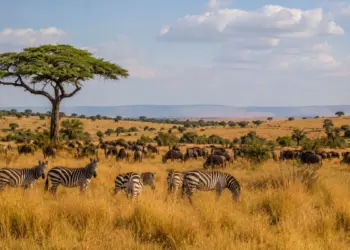
My first deep immersion into African conservation travel shattered my own definitions of impact. I remember sitting in a traditional mokoro canoe, gliding silently through the pristine, labyrinthine channels of Botswana’s Okavango Delta. Out there, in a wilderness that feels entirely untouched by time, the sheer scale of God’s creation is overwhelming.
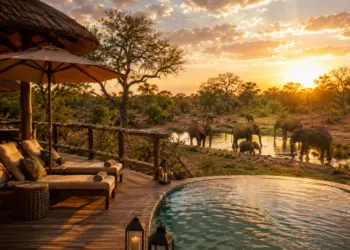
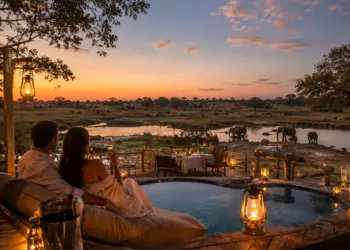
But beneath the breathtaking landscape lies a delicate, high-stakes ecosystem. At places like Wilderness Mombo or Xigera Safari Lodge, I began to see how elite tourism serves as the frontline defense against poaching and habitat loss. I watched local Batswana guides men and women whose entire communities are uplifted by sustainable travel, speak about the land with a reverent sense of duty.
I realized that true conservation isn’t just about saving animals; it is an act of deep, systemic human care. It is about honoring the interconnectedness of ecology, local economy, and human dignity.
Scripture calls us to be good stewards of the Earth, but it also commands us to care for “the least of these.” In Botswana, those two callings converge beautifully. When an eco-luxury lodge partners with a local village, they aren’t just creating jobs; they are funding schools, securing clean water, and building clinics. For an affluent family, witnessing this ecosystem first-hand changes the soul. It moves philanthropy from a cold tax-mitigation strategy to a vibrant, emotional response to a broken world.
Why the bush beats the boardroom?
When I look at my own family & advise families on wealth transition, the biggest fear I hear from parents is the “NextGen” bottleneck. They worry their children lack the drive, alignment, or shared values to manage massive wealth responsibly.
If you hand a 22-year-old a 50-page family constitution in a skyscraper, their eyes glaze over. But look at what happens when you change the environment:
- Active Due Diligence in the Kalahari: Imagine taking a family to Tswalu Kalahari. Instead of reading an impact report, the family sits around a campfire with visiting researchers from the Tswalu Foundation. The next morning, the NextGen is out in the field tracking pangolins or studying climate resilience firsthand. They aren’t just consumers of luxury; they are actively auditing the deployment of strategic philanthropic capital.
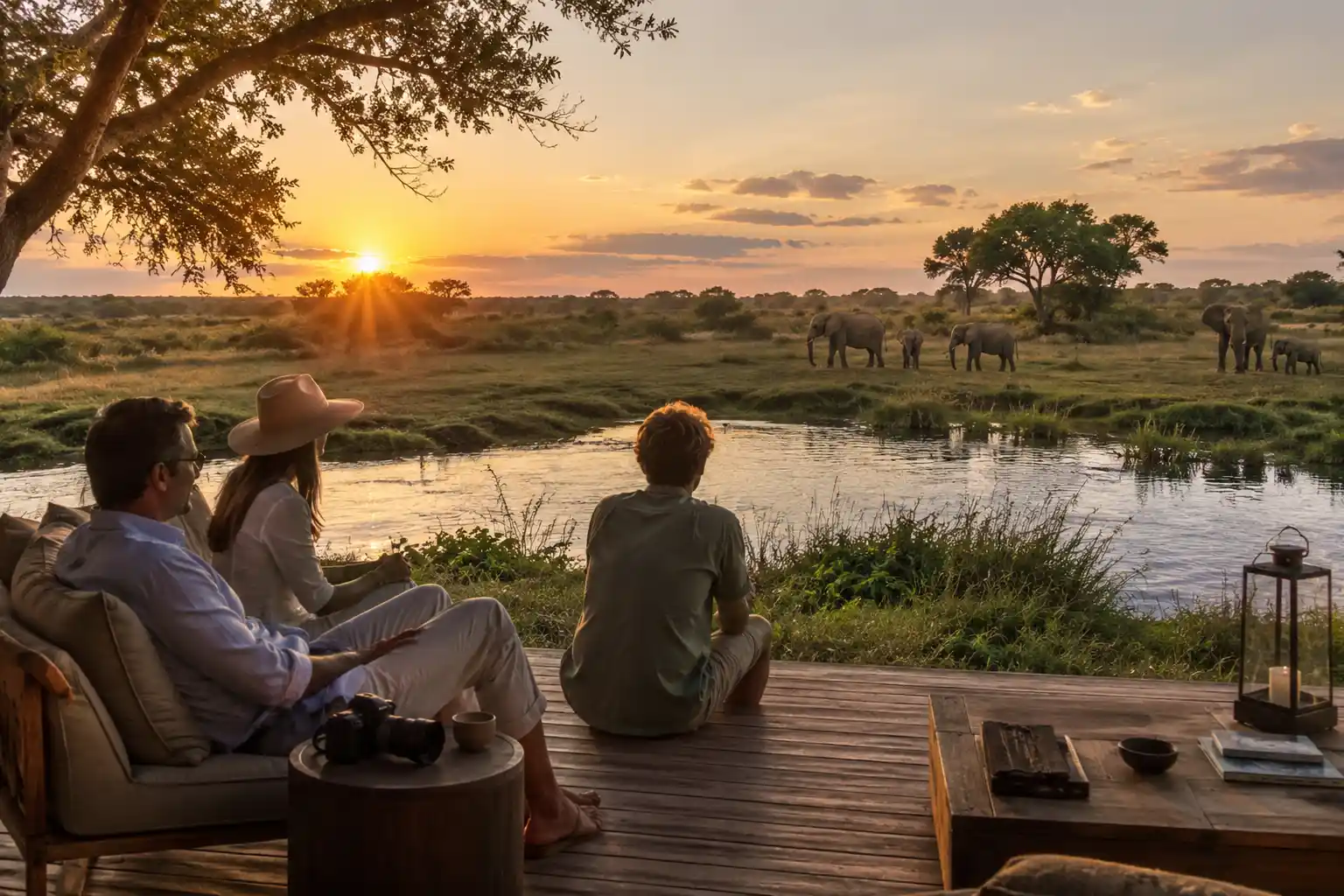
- Shared Vulnerability in Private Villas: At private sanctuaries like Zarafa Dhow Suite in the Selinda Reserve, families are completely isolated from digital noise. Stripped of corporate titles, legal structures, and boardroom hierarchies, parents and adult children finally talk to each other, rather than at each other. The raw environment creates a unique psychological safety where tough questions about family values can finally be answered.
- The NextGen Spark: I have seen young family members, previously indifferent to the family office, completely come alive in Botswana. When they see how a single, well-targeted grant can fund a community-led wildlife corridor or a solar-powered medical clinic, they find a purpose. Suddenly, they are eager to learn how to manage the family’s capital because they want to sustain that mission.
Redefining true wealth
True wealth preservation is not about building higher walls to protect assets. It is about expanding our tables to bless others and honor the world we’ve been given.
When we step out of our comfort zones and into places like Botswana, where our capital can quite literally save a species or uplift a village, governance becomes effortless. We stop fighting over percentages and start aligning around a vision.
For me, traveling to these incredible countries is not a vacation. It is a form of active, faithful devotion. By guiding families out of the slideshows and into the wild, we aren’t just saving pieces of this planet. We are saving the very heart of the family’s legacy.