

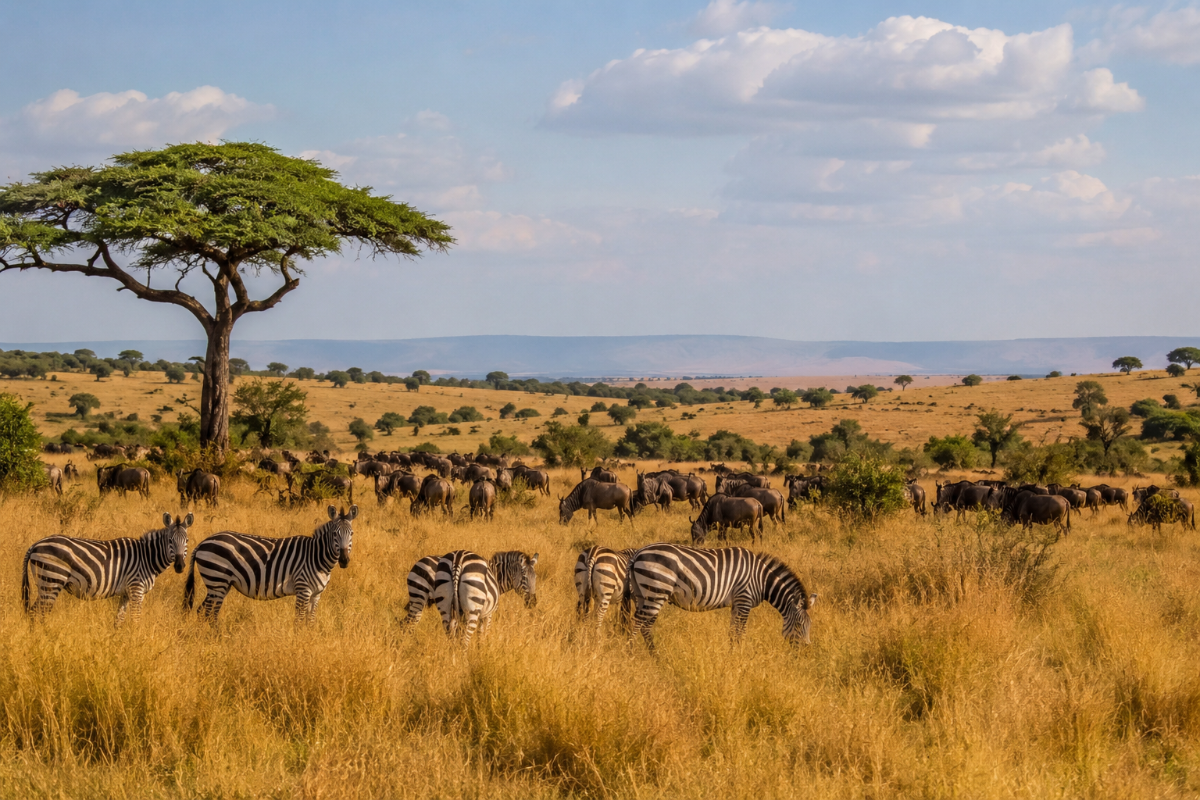

African Safari Travel continues to attract global travelers seeking immersive wildlife experiences combined with refined hospitality and strategic travel planning. In 2026, safari tourism has evolved far beyond traditional game drives. Travelers now prioritize carefully timed itineraries that align with wildlife migration cycles, climate conditions, photography opportunities, and luxury lodge availability. Consequently, choosing the right season has become one of the most important decisions in safari planning.
The growing demand for curated African Safari Travel reflects a broader shift in luxury tourism toward experience-driven journeys. Travelers increasingly value exclusivity, conservation-focused itineraries, and personalized access to iconic ecosystems. Meanwhile, safari operators across Kenya, Tanzania, Botswana, South Africa, and Namibia continue adjusting their offerings to meet rising expectations for comfort, flexibility, and wildlife access.
Seasonality remains central to the safari experience. The Serengeti Great Migration, for example, shapes travel demand across East Africa, while the Okavango Delta flood season transforms Botswana into one of the world’s most sought-after safari destinations. Moreover, dry season conditions often improve wildlife visibility because animals gather near shrinking water sources. However, rainy seasons also present advantages, including fewer crowds, greener landscapes, and reduced lodge pricing.
Luxury safari lodges now book many months in advance during migration periods, particularly from June to October. As a result, safari timing increasingly combines wildlife science, travel logistics, and premium hospitality strategy. African Safari Travel therefore requires a balance between ecosystem awareness, regional climate understanding, and traveler preferences.
Why Timing Matters in African Safari Travel
Timing defines nearly every aspect of African Safari Travel. Wildlife visibility changes dramatically between seasons because rainfall patterns influence vegetation density, water availability, and animal movement. During dry months, sparse vegetation improves game-viewing conditions, while concentrated waterholes attract large populations of wildlife. Consequently, travelers often experience more consistent sightings during these periods.
Meanwhile, seasonal weather directly affects accessibility and comfort. Heavy rains can make remote roads difficult to navigate in certain reserves. However, green seasons often deliver exceptional birdlife, dramatic landscapes, and quieter safari camps. In contrast, peak dry months bring excellent wildlife density but also higher accommodation costs and increased visitor numbers.
Safari lodge pricing fluctuates according to migration cycles and regional demand. Luxury camps in the Serengeti and Masai Mara frequently increase rates during river crossing season because global interest reaches its peak. Additionally, private guides, premium tented suites, and exclusive-use camps become harder to secure without early planning.
Several factors explain why timing matters so deeply:
- Wildlife movement changes monthly across ecosystems
- Weather conditions influence photography quality
- Seasonal demand affects lodge pricing and availability
- Certain parks perform better during specific months
- Road and flight accessibility vary regionally
Therefore, successful African Safari Travel depends on aligning wildlife expectations with regional seasonal realities.
Best Time for East Africa Safaris (Kenya & Tanzania)
East Africa remains the centerpiece of African Safari Travel due to the Serengeti Mara ecosystem and the Great Migration. Kenya and Tanzania attract travelers throughout the year; however, safari timing dramatically changes the overall experience. The dry season from June to October generally offers the strongest wildlife visibility and the highest concentration of visitors.
The Serengeti Great Migration follows rainfall patterns across Tanzania and Kenya. From January to March, the Southern Serengeti hosts calving season, when thousands of wildebeest give birth across nutrient-rich grasslands. Consequently, predator activity intensifies, creating remarkable game-viewing opportunities. Luxury safari operators increasingly market this season toward photographers and returning safari travelers seeking dramatic wildlife interaction without peak crowds.
Meanwhile, the migration usually reaches the Grumeti region by early summer before moving toward the Masai Mara between July and September. River crossings during this period remain among the most sought-after safari experiences globally. However, migration timing has become less predictable due to shifting rainfall patterns linked to climate variability.
Luxury travelers planning East Africa safaris should consider:
- June to October for peak wildlife concentration
- January to March for calving season experiences
- July to September for Mara river crossings
- Shoulder months for reduced crowds and lower rates
- Early booking for premium lodges and private camps
Moreover, East African safari infrastructure continues improving in 2026, with more fly-in safari options, boutique camps, and conservation-led luxury experiences.
African Safari Travel Seasonal Guide
| Region | Best Season | Wildlife Highlight | Weather Condition | Travel Experience |
|---|---|---|---|---|
| Serengeti, Tanzania | June–October | Great Migration | Dry and clear | Peak luxury safari season |
| Masai Mara, Kenya | July–September | River crossings | Mild dry weather | Premium wildlife viewing |
| Southern Serengeti | January–March | Calving season | Warm with scattered rain | Excellent predator sightings |
| Botswana Okavango Delta | May–August | Floodplain wildlife | Cooler dry season | Exclusive water safaris |
| Kruger National Park | May–September | Big Five viewing | Dry winter conditions | Reliable year-round access |
| Namibia | June–October | Desert-adapted wildlife | Arid and cool | Scenic landscape safaris |
Southern Africa Safari Timing (South Africa, Botswana, Namibia)
Southern Africa offers more diverse safari timing than East Africa because ecosystems vary significantly across the region. South Africa’s Kruger National Park supports year round African Safari Travel, although dry winter months from May to September typically provide the clearest wildlife visibility.
Kruger appeals strongly to first-time safari travelers because infrastructure remains highly developed. Luxury lodges combine accessibility with consistent Big Five sightings, while private reserves deliver more exclusive game-drive experiences. Moreover, malaria-free safari options continue attracting family travelers and multigenerational groups.
Botswana follows a different seasonal rhythm. The Okavango Delta flood season peaks between May and August, transforming dry landscapes into intricate waterways filled with wildlife. Consequently, Botswana has become synonymous with ultra-premium safari travel focused on privacy, conservation, and low-density tourism. Luxury camps often limit guest numbers intentionally, which increases exclusivity and pricing.
Meanwhile, Namibia provides a more landscape-driven safari experience. Etosha National Park performs best during dry months because wildlife gathers around waterholes. In contrast, desert regions emphasize scenery, photography, and remote exploration rather than dense wildlife populations.
Key Southern Africa timing insights include:
- Kruger works throughout the year
- Botswana peaks during flood season
- Namibia excels during cooler dry months
- Dry winters improve predator visibility
- Luxury camps fill quickly during peak periods
Therefore, Southern Africa offers greater flexibility for travelers seeking alternatives to East Africa’s migration-driven tourism calendar.
Why the Dry Season Is Preferred for Safari Travel?
The dry season remains the preferred period for African Safari Travel because environmental conditions improve wildlife visibility substantially. Reduced vegetation cover allows guides and travelers to spot animals more easily, particularly predators resting near open terrain. Additionally, shrinking water sources attract concentrated wildlife populations, which increases sighting frequency.
Photography conditions also improve during dry months. Clear skies, golden lighting, and lower humidity create favorable conditions for wildlife photography. Meanwhile, roads remain more accessible, reducing travel delays in remote reserves.
However, peak dry season also introduces challenges. Popular parks become crowded, lodge pricing rises sharply, and premium accommodations often require reservations many months ahead. Consequently, travelers increasingly seek shoulder-season alternatives that balance wildlife quality with reduced congestion.
Safari Season Comparison: Dry vs Rainy Season
| Factor | Dry Season | Rainy Season | Travel Impact | Wildlife Viewing |
|---|---|---|---|---|
| Vegetation | Sparse | Dense and green | Easier navigation in dry months | Better sightings in dry season |
| Wildlife Concentration | High near water | More dispersed | Longer drives during rains | Consistent during dry months |
| Lodge Pricing | Highest | Lower rates | Luxury demand spikes | Greater value in rainy season |
| Photography | Clear skies | Dramatic landscapes | Different creative opportunities | Excellent in both seasons |
| Tourist Crowds | Higher | Lower | More privacy in green season | Less crowded game drives |
The Great Migration: Nature’s Travel Calendar
The Great Migration remains the defining phenomenon in African Safari Travel. More than a million wildebeest, alongside zebras and gazelles, move through the Serengeti Mara ecosystem in response to rainfall and grazing conditions. Therefore, migration timing shapes lodge occupancy, regional flight schedules, and luxury safari itineraries across East Africa.
River crossings attract enormous attention because they combine dramatic wildlife behavior with high predator activity. However, migration timing never follows a perfectly fixed schedule. Rainfall shifts increasingly influence herd movement, which makes flexibility essential for travelers planning around migration highlights.
Luxury safari operators now rely heavily on real-time wildlife tracking to adapt itineraries dynamically. Meanwhile, mobile tented camps reposition seasonally to stay close to migration routes. This operational flexibility has become central to premium safari planning in 2026.
Several migration phases influence travel planning:
- January–March: Southern Serengeti calving season
- April–May: Central migration movement
- June–July: Western corridor transitions
- July–September: Mara river crossing season
- October–December: Southward return migration
Consequently, the best migration safari increasingly depends on traveler priorities rather than a single universal “best month.”
Luxury Safari Travel and Seasonal Pricing
Luxury safari travel continues expanding rapidly as affluent travelers prioritize privacy, conservation, and curated wilderness experiences. Seasonal pricing now reflects both wildlife concentration and demand for exclusivity. During migration periods, premium camps in Kenya and Tanzania often operate at near-full capacity months in advance.
High-end safari experiences increasingly include private guides, helicopter transfers, wellness-focused lodges, and conservation access unavailable to larger group tours. Moreover, luxury travelers often combine multiple regions within a single itinerary, linking East African migrations with Southern African water safaris.
Private aviation also plays a growing role in premium African Safari Travel. Fly-in safaris reduce transit times while improving access to remote reserves. Consequently, luxury operators now emphasize seamless logistics alongside wildlife viewing.
Pricing trends in 2026 reflect several dynamics:
- Peak migration months command premium rates
- Exclusive-use camps attract multigenerational groups
- Personalized itineraries increase operational costs
- Conservation-focused tourism supports higher pricing
- Boutique safari lodges outperform large resorts
Nevertheless, affluent travelers continue prioritizing personalized access over traditional luxury excess.
Shoulder Season: The Hidden Advantage
Experienced safari travelers increasingly favor shoulder seasons because they offer stronger value and more flexible itineraries. Months immediately before or after peak dry periods often combine good wildlife visibility with lower accommodation costs and fewer tourists.
Meanwhile, shoulder seasons allow safari guides to provide more personalized experiences because vehicle density decreases substantially. Luxury camps also become more flexible with upgrades, private activities, and customized scheduling.
Rainfall during these periods often transforms landscapes into vibrant green ecosystems. In contrast to peak dry months, photographers may capture richer scenery, dramatic skies, and newborn wildlife activity. Consequently, shoulder-season travel increasingly appeals to travelers seeking exclusivity without peak-season pricing.
Advantages of shoulder-season safari travel include:
- Lower luxury lodge pricing
- Reduced crowd density
- Greater itinerary flexibility
- Improved booking availability
- Balanced wildlife and scenery conditions
Therefore, shoulder seasons now represent one of the most strategic options in African Safari Travel.
Climate Change and Its Impact on Safari Timing
Climate change continues reshaping African Safari Travel in measurable ways. Rainfall patterns across East and Southern Africa have become increasingly unpredictable, which affects migration timing, vegetation cycles, and water availability. Consequently, safari operators must adapt quickly to shifting ecological realities.
The Serengeti migration increasingly reflects climate variability rather than fixed annual schedules. Meanwhile, prolonged droughts and irregular flooding affect habitats throughout Botswana, Kenya, and Tanzania. Conservation organizations now collaborate more closely with safari operators to monitor ecosystem health and wildlife movement.
Luxury safari brands are responding by building more flexible itineraries supported by satellite tracking, ecological forecasting, and adaptive guide networks. Additionally, sustainability has become central to luxury safari branding, with travelers expecting stronger conservation commitments from operators.
Several climate-related changes influence safari planning:
- Shifting migration routes
- Altered rainfall cycles
- Increased need for itinerary flexibility
- Greater conservation investment
- Rising focus on sustainable tourism models
As a result, safari timing has become increasingly strategic rather than traditionally seasonal.
How to Plan the Perfect Safari in 2026?
Planning successful African Safari Travel now requires a combination of timing strategy, regional expertise, and realistic travel priorities. Travelers should first determine whether wildlife density, migration viewing, photography, exclusivity, or budget matters most to their experience.
East Africa remains ideal for migration-focused itineraries, while Southern Africa provides greater flexibility and lodge diversity. Moreover, luxury travelers should reserve premium safari camps at least nine to twelve months ahead during peak migration periods.
Travel style also shapes the experience significantly. Private safaris offer flexibility and personalized guiding, whereas small-group safaris provide lower pricing with strong wildlife access. Meanwhile, fly-in safaris increasingly dominate luxury travel because they maximize time inside reserves.
Successful safari planning for 2026 should include:
- Matching destinations with wildlife cycles
- Booking luxury lodges early
- Considering shoulder-season advantages
- Balancing exclusivity with budget
- Prioritizing conservation-focused operators
Ultimately, the best African Safari Travel experience depends less on fixed calendar dates and more on aligning traveler expectations with evolving environmental and tourism conditions.
The Future of African Safari Travel
African Safari Travel reflects a broader transformation within global luxury tourism. Travelers increasingly seek immersive experiences rather than traditional ownership-based luxury consumption. Consequently, safari tourism now blends conservation, hospitality, technology, and personalization into integrated travel ecosystems.
Real-time wildlife tracking, flexible itineraries, and private conservation partnerships are reshaping safari planning. Meanwhile, affluent travelers increasingly prefer smaller camps, fewer crowds, and highly curated journeys. Luxury safari experiences therefore emphasize authenticity, sustainability, and seamless logistics over spectacle alone.
The future of safari tourism will likely include deeper integration between conservation science and premium hospitality. Additionally, technology-driven itinerary planning will allow travelers to respond dynamically to wildlife movement and weather conditions.
The boundaries between adventure travel, luxury hospitality, and environmental stewardship continue narrowing rapidly. Therefore, the best time for African Safari Travel is no longer fixed by tradition alone. It is increasingly defined by strategy, flexibility, and the type of experience travelers want to create.
FAQs
What is the best month for African safari travel?
July through September generally offers the best wildlife viewing in East Africa, especially during the Great Migration.
Is the dry season best for safari?
Yes. Dry seasons usually provide easier wildlife spotting, clearer roads, and better photography conditions.
When is the Great Migration in Serengeti?
The migration moves year-round, although river crossings typically peak from July to September.
Is safari travel good in the rainy season?
Yes. Rainy seasons offer greener landscapes, fewer crowds, lower prices, and strong birdwatching opportunities.
Which country is best for first-time safari?
South Africa is often ideal for first-time travelers because it combines strong infrastructure with reliable wildlife viewing.
What is the cheapest time for African safari?
Shoulder and rainy seasons generally provide lower lodge rates and more flexible availability.
When is the Okavango Delta best to visit?
May through August offers peak flood conditions and exceptional wildlife viewing.
Are safaris better in Kenya or Tanzania?
Both destinations excel. Kenya offers strong accessibility, while Tanzania provides larger wilderness areas and extended migration routes.
How far in advance should safari lodges be booked?
Luxury safari lodges should ideally be booked nine to twelve months ahead for peak migration periods.
Does climate change affect safari timing?
Yes. Changing rainfall patterns increasingly influence migration timing, wildlife distribution, and seasonal predictability.