

Airport security has a talent for making reasonable people feel unreasonable. The combination of time pressure, unfamiliar rules, crowded queues, and the particular theater of removing shoes and surrendering liquids in front of strangers produces a category of low-grade stress that a significant proportion of travelers carry through the checkpoint and into the flight without ever quite shaking off. It sets the emotional tone for the journey before the journey has properly begun, and it does so with a consistency that suggests the problem is systemic rather than incidental.
Most of it is avoidable. Not the security process itself, which is a non-negotiable feature of modern air travel, but the stress, the delays, the rejected bags, and the frantic repacking at the screening table that characterize the experience for travelers who approach the checkpoint without adequate preparation. Airport security tips that actually work are not complicated. They are largely a matter of knowing the rules in advance, organizing accordingly, and arriving with enough time that the process does not require everything to go perfectly in order to make the flight.
The difference between a traveler who moves through security efficiently and one who doesn’t is rarely intelligence or luck. It is almost always preparation.
Understanding the Rules Before You Arrive
The foundational airport security tip, the one that prevents the majority of checkpoint problems, is understanding the specific rules that apply to the airports and routes you are traveling before you arrive at the screening lane. Security rules are not universal. They vary between countries, between airports within the same country, and in some cases between different terminals at the same airport. Assuming that the rules you encountered on your last trip apply to this one is a reliable source of unnecessary complications.
The liquids rule is the most universally misunderstood element of airport security. In most countries operating under post-2006 aviation security protocols, liquids carried in cabin baggage must be in individual containers of 100 milliliters or less, all containers must fit within a single transparent resealable plastic bag of approximately one liter capacity, and one such bag is permitted per passenger. The rule applies to liquids, gels, aerosols, pastes, and creams, which means toothpaste, sunscreen, lip gloss, hair gel, and similar products are subject to it alongside the more obvious liquid categories. Items that frequently cause confusion at screening include peanut butter, hummus, and other spreadable foods, which are classified as gels and subject to the liquids rule regardless of how solid they feel, and snow globes, which contain liquid and must be in a container of 100 milliliters or less to pass through.
Exceptions to the liquids rule exist for medically necessary liquids, baby formula and food, and breast milk, which can be carried in quantities exceeding 100 milliliters and do not need to fit within the standard plastic bag. Declaring these items to security officers at the checkpoint and being prepared for additional screening of them is standard procedure at most airports.
Electronics rules require laptops and tablets to be removed from bags and placed in a separate tray for X-ray screening at most airports, though some airports with advanced CT scanning technology have removed this requirement for certain security lanes. Knowing which category applies to your departure airport before arrival avoids the moment of uncertainty at the screening table that slows both the individual traveler and the queue behind them. Chargers, cables, and other electronic accessories in large quantities can trigger secondary screening of bags when they appear as a dense mass on the X-ray image, and organizing them in a dedicated pouch that can be easily removed for inspection reduces this friction.
Prohibited items lists are available on the websites of all major national aviation security agencies and are worth consulting before packing, particularly for international travel where items permitted in the departure country may be restricted in the destination country or vice versa. The most common prohibited item categories include firearms and ammunition, explosives and flammable items, sharp objects above defined blade lengths, and certain chemical and biological materials. Less obvious prohibited items that cause regular checkpoint problems include lithium battery power banks in checked baggage at some airports, certain compressed gas cartridges used in recreational equipment, and self-defense sprays in quantities exceeding permitted limits.
Trusted Traveler Programs: The Single Most Impactful Airport Security Tip
For travelers who fly with any regularity, enrollment in a trusted traveler program represents the highest-return investment in airport security efficiency available. These programs conduct background checks and biometric enrollment in exchange for access to expedited screening lanes that bypass the standard security queue and, in most cases, the standard screening procedures.
TSA PreCheck in the United States is the most widely applicable trusted traveler program for domestic travel, providing access to dedicated PreCheck lanes at over 200 airports where travelers can keep shoes, belts, and light jackets on, leave laptops and compliant liquids in bags, and move through screening substantially faster than standard lane passengers. The enrollment process involves an in-person appointment at an enrollment center, a background check, and biometric data collection. Membership is valid for five years and covers domestic travel on all participating airlines, of which there are currently over eighty.
Global Entry, also administered by US Customs and Border Protection, includes TSA PreCheck as a benefit and adds expedited customs and immigration processing upon international arrivals into the United States through dedicated kiosks. For travelers who make international trips with any frequency, Global Entry is the more comprehensive investment, providing benefits at both departure and arrival that TSA PreCheck alone does not cover.
CLEAR, a biometric identity verification service operating at a growing number of US airports, uses fingerprint and iris scanning to verify a traveler’s identity, bypassing the document check queue and moving members directly to the security screening equipment. CLEAR does not replace TSA PreCheck but complements it: CLEAR gets the traveler to the front of the identity verification queue, while PreCheck expedites the physical screening process. Together they represent the fastest available security path at airports where both operate.
In the United Kingdom, the Registered Traveller service and the automated eGate system for eligible passport holders streamline border control for international arrivals. In Europe, several national and airport-level fast track programs exist with varying geographic coverage and membership requirements. For frequent international travelers, researching the specific trusted traveler programs that apply to their most common routes and airports before assuming that the standard queue is the only option is a worthwhile investment of time.
Packing for the Checkpoint: Organizing Your Bag to Move Faster
The bag that clears security quickly is almost never the most efficiently packed bag in the conventional sense. It is the bag organized specifically for the checkpoint, with the items most likely to require removal or inspection positioned for easy access rather than buried beneath everything else.
The carry-on bag that moves through security most smoothly has its liquids bag at the top or in an exterior pocket accessible without unpacking the main compartment. Its laptop, if the departure airport requires removal, is in the sleeve or section designed for that purpose rather than underneath clothing and toiletries. Its electronics accessories are consolidated in a single pouch rather than distributed through the bag in a way that produces a visually complex X-ray image. And it contains nothing that triggers any of the common categories of checkpoint problem, because those items have been identified and resolved before arriving at the airport.
The carry-on bag that causes delays at the screening table is the one packed on the assumption that security will not be a problem, with the liquids mixed into the main compartment, the laptop under everything else, and the full-size toiletry bottle that was a leftover from the last trip still sitting at the bottom because it was never unpacked. This is not a character flaw. It is simply a preparation gap that a few minutes of pre-packing attention eliminates entirely.
Checked baggage is not screened by the passenger but is subject to X-ray and in some cases physical inspection by security staff. Items that trigger checked baggage inspection most commonly include densely packed bags where the X-ray image is difficult to interpret, large quantities of electronics or cables, and items on restricted lists for checked baggage including lithium batteries above certain watt-hour ratings. Packing checked bags with the awareness that they may be physically searched, including ensuring that items of value or fragility are protected, and including a note inside the bag with contact information in case it needs to be reopened by security, are low-effort preparations that address occasional but real inconveniences.
At the Checkpoint: The Behaviors That Actually Speed Things Up
The airport security checkpoint is an environment that rewards sequential thinking and penalizes multitasking, and the traveler who has internalized the sequence of actions the process requires before entering the queue moves through it significantly faster than one who is working it out in real time at the screening table.
Begin preparing before reaching the conveyor belt rather than at it. Have your boarding pass and identification ready for the document check before reaching the officer. Know whether your departure airport requires shoe removal so that you are wearing shoes that facilitate it rather than discovering at the bin that your footwear involves significant fastening complexity. Have your liquids bag accessible so it can be produced immediately rather than excavated. Know where your laptop is so it can be removed in one movement.
At the conveyor belt, place your bins in a logical order that matches the order of the X-ray examination: laptop in the first bin if it requires removal, then the liquids bag in the same or following bin, then your bag. Remove your belt and place it in the bin, remove your watch if it is a metal-rich item likely to alarm the metal detector, and empty your pockets of all metal items. The number of secondary screenings triggered by items in pockets that could have been removed beforehand is consistently among the highest sources of unnecessary checkpoint delay.
Walk through the metal detector or body scanner calmly and without pausing in the doorway. If selected for additional screening, comply promptly and without drama. Additional screening is not a personal accusation. It is a random or algorithmically triggered procedure that experienced travelers encounter routinely and navigate without treating as an inconvenience worthy of comment.
Collect your items from the conveyor belt and move to the repacking area before reassembling yourself and your belongings. Remaining at the conveyor belt to put on shoes and repack bags blocks the flow for other travelers and produces unnecessary congestion at the end of the screening lane. Moving immediately to the designated repacking bench and reconstructing your travel setup there is a basic courtesy that also removes you from the most stressful zone of the screening process into a slightly calmer one.
International Airport Security: How Rules Differ
The airport security experience varies more substantially between countries than most travelers who have only experienced one country’s system realize, and understanding the specific protocols of international departure airports prevents the assumption-based errors that cause checkpoint problems for travelers operating on the rules of their home airport.
In the European Union, security procedures at most major airports follow broadly similar protocols reflecting shared regulatory frameworks, but implementation details including the specific items subject to liquids restrictions, the handling of electronics, and the processes for passengers with medical devices vary between airports and between airlines operating from the same facility. Some European airports have introduced CT scanning technology that removes the requirement to take laptops out of bags or liquids out of carry-ons in specific lanes, and checking whether your departure airport offers this before assuming the standard protocol applies saves the unnecessary unpacking that the standard procedure would otherwise require.
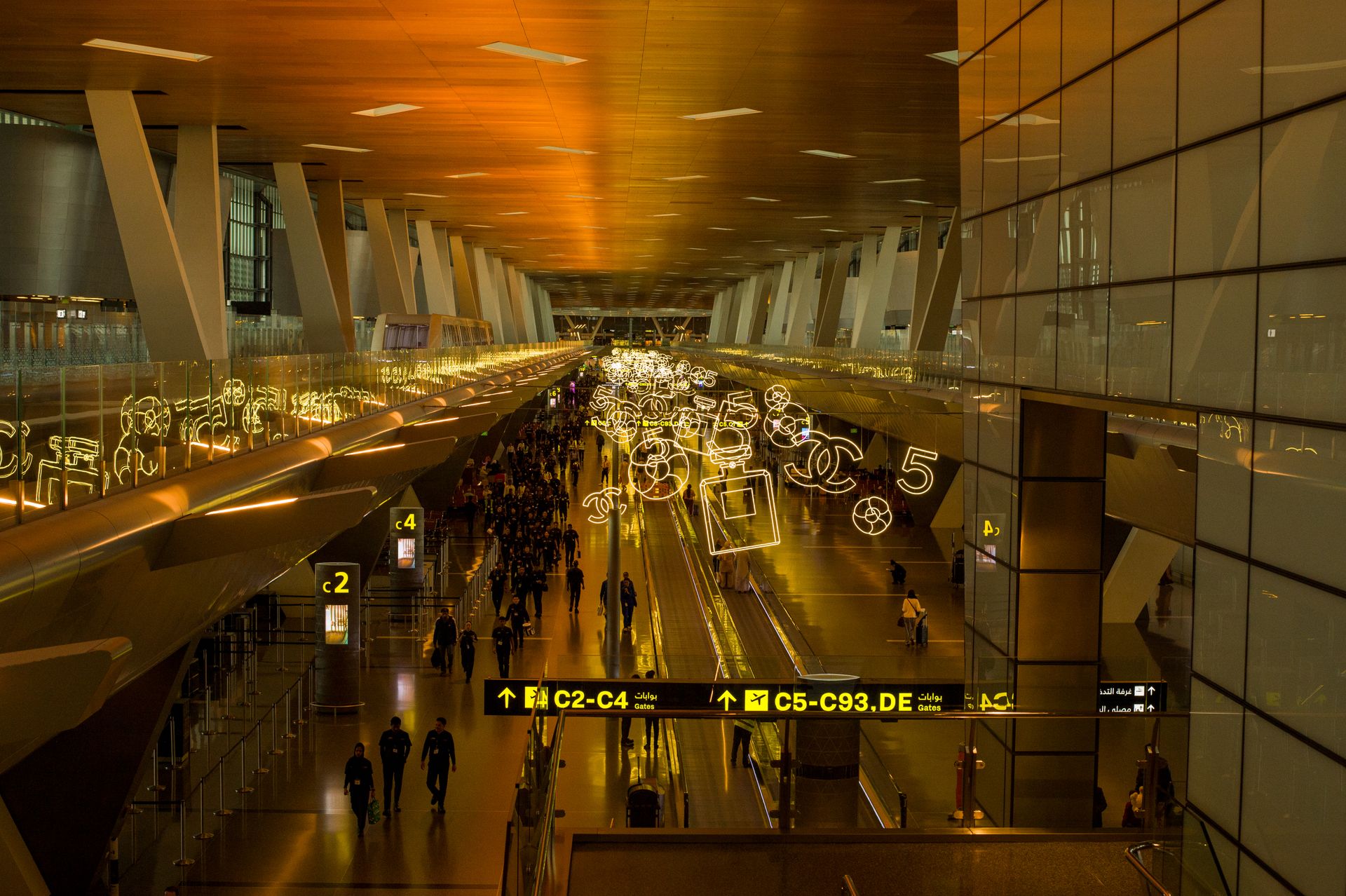
In the Middle East, particularly at the major hub airports of Dubai, Abu Dhabi, Doha, and Istanbul that handle significant international transit volume, security procedures are generally rigorous and professional, with high volumes managed through well-organized lane systems. Passengers in transit through these airports should verify whether they need to clear security again at the connecting airport or whether airside transit is possible without re-screening, as this varies by airport and route.
In Asia, security protocols at the major international airports of Singapore, Hong Kong, Tokyo, Seoul, and their equivalents are generally efficient and well-organized, often with technology investment that produces faster throughput than many Western airports of comparable volume. Regional airports within Asia vary considerably more in their procedures and their pace, and allocating additional security processing time at smaller regional departure airports is advisable regardless of how efficient larger hub airport security may have been.
In the United States, the TSA’s security procedures apply uniformly across domestic flights but are supplemented by additional procedures for internationally departing flights and for certain routes that carry elevated security requirements. International departure security at major US airports typically requires more time than domestic departure security, and building additional buffer into pre-flight arrival time for international departures reflects this difference.
Traveling With Special Items and Circumstances
Certain categories of traveler and certain types of items require specific airport security preparation that standard guidance does not address, and the travelers in these categories benefit most from preparation that anticipates the checkpoint encounter rather than discovering its requirements in the moment.
Travelers with medical devices including pacemakers, implanted defibrillators, insulin pumps, and joint replacements should carry documentation of their devices and inform security officers before entering the screening equipment. The body scanners used at most airports are generally safe for passengers with implanted devices, but individual device specifications vary, and security officers can advise on appropriate screening procedures including alternatives to millimeter wave scanning where indicated. Passengers with ostomies, prosthetics, or other medical conditions that affect the standard screening experience are entitled to request a private screening area and a same-gender officer for any pat-down procedure that their condition requires.
Traveling with children adds complexity to the checkpoint experience that is most effectively managed by planning the sequence of actions required with the same care that business travelers apply to their own security preparation. Collapsible strollers can go through the X-ray machine after folding and should be ready to fold before reaching the conveyor belt. Child car seats can go through the X-ray machine or be physically inspected. Baby formula, breast milk, and food for young children are exempt from the standard liquids rule and can be carried in quantities needed for the journey, with the expectation of additional screening. Organizing children’s carry-on items with checkpoint preparation in mind, including removing any items that could trigger inspection from children’s bags before arrival, reduces the additional complexity that a child’s bag on the X-ray produces.
Traveling with musical instruments, sports equipment, fragile items, and valuable electronics all involve specific rules that vary between airlines and between airports. Knowing the specific policy of your airline and departure airport for the instrument or equipment you are carrying, including whether it can be carried on or must be checked, and what the applicable size and weight restrictions are, prevents the checkpoint discovery that an item cannot travel as planned.
The Time Buffer That Eliminates Most Airport Security Stress
Every airport security tip in this guide operates more reliably when the traveler has arrived at the airport with sufficient time that the security process does not need to be perfect in order to make the flight. The single most impactful behavioral change available to chronically stressed airport travelers is simply arriving earlier.
The recommended arrival times of two hours before domestic departures and three hours before international departures exist precisely because they account for the realistic variability of airport processes including check-in queues, baggage drop lines, security wait times, and the walk to a distant gate. Travelers who treat these as absolute minimima, arriving at exactly the recommended time and expecting everything to proceed without delay, have eliminated the buffer that makes those recommendations useful. Travelers who arrive thirty minutes ahead of the recommended time have that buffer working in their favor.
For travelers whose anxiety about missing flights is a genuine source of distress, the investment in arriving earlier is not simply a logistical calculation. It is a psychological one. The traveler who arrives at the gate with forty minutes to spare before boarding begins experiences the departure lounge as a comfortable waiting area. The traveler who arrives at the gate as boarding is closing experiences it as a near-miss from which the stress does not fully dissipate until landing. The difference in experience is produced by a decision made before leaving home.
Airport security does not have to be the worst part of travel. For travelers who understand the rules, organize their bags accordingly, invest in trusted traveler programs where their flight frequency justifies it, and arrive with adequate time, it rarely is.