

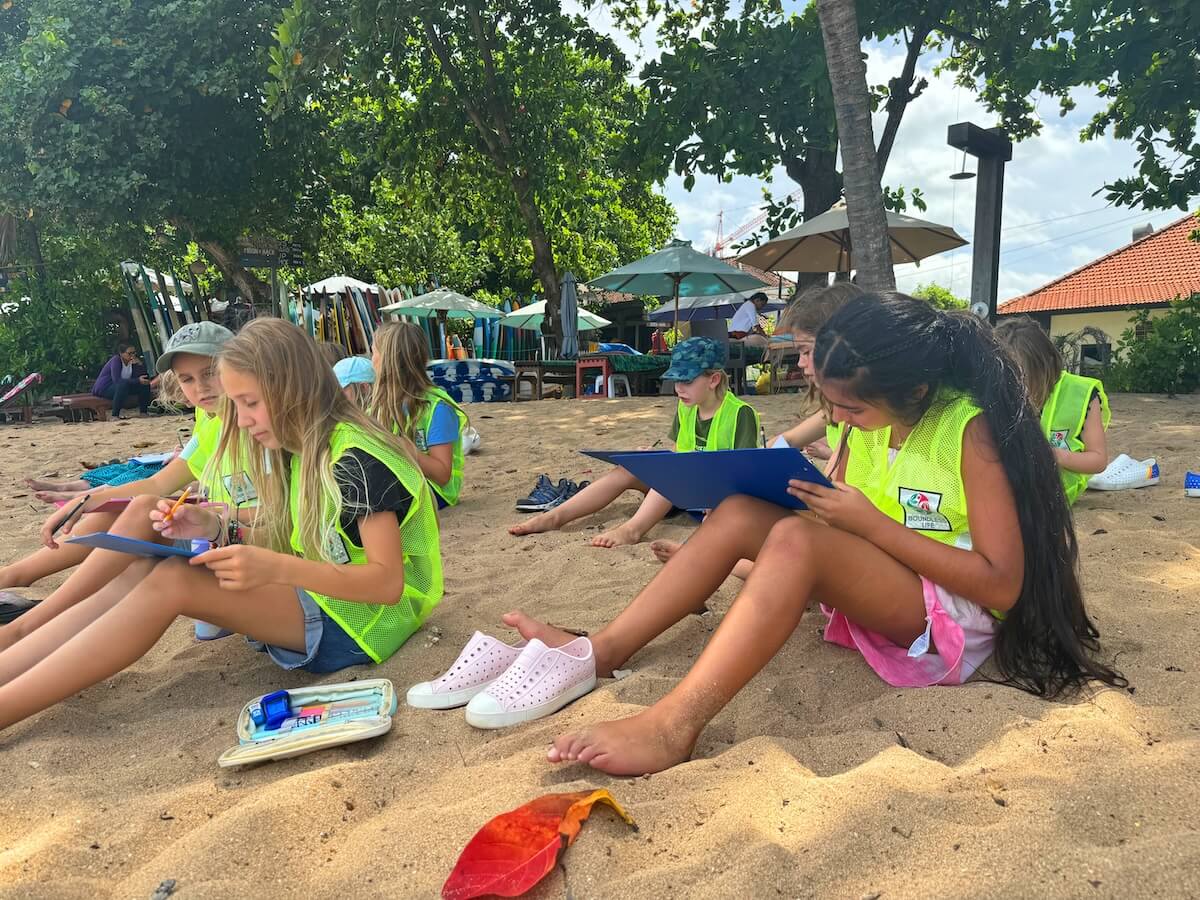

Educational travel is one of the most effective ways to help school-age kids learn beyond textbooks. Visiting real-world destinations allows children to experience history, science, geography, and culture in a more engaging and memorable way. Instead of memorizing facts, kids see, touch, and explore what they are learning about.
In this guide, we’ll explore the best educational travel destinations for school-age kids, what makes them valuable for learning, and how parents can plan meaningful trips that combine fun with education.
Why Educational Travel Matters for Kids
Travel-based learning helps children develop deeper understanding and curiosity.
Key benefits include:
- Better retention of information through real experiences
- Increased curiosity and critical thinking
- Exposure to different cultures and lifestyles
- Improved social and communication skills
- Stronger connection to history and science concepts
Educational trips often make subjects like history and science far more interesting for children.
1. Washington, D.C., USA
Washington, D.C. is one of the best educational destinations in the world for school-age children.
Key learning highlights:
- U.S. history and government
- National monuments and memorials
- Smithsonian museums
- Space exploration exhibits
Must-visit places include:
- National Air and Space Museum
- National Museum of American History
- Lincoln Memorial
- U.S. Capitol
Why it’s great for kids:
It brings civics, history, and science together in one location.
2. London, United Kingdom
London offers a rich mix of history, literature, and science education.
Key learning highlights:
- British monarchy and history
- Literary history (Shakespeare, Dickens)
- Natural history and science museums
Must-visit places include:
- British Museum
- Natural History Museum
- Science Museum
- Tower of London
Why it’s great for kids:
It combines ancient history with modern science in interactive ways.
3. Rome, Italy
Rome is like a living history textbook for children.
Key learning highlights:
- Ancient Roman civilization
- Architecture and engineering
- Mythology and culture
Must-visit places include:
- Colosseum
- Roman Forum
- Pantheon
- Vatican Museums
Why it’s great for kids:
It helps children visualize ancient history in real life.
4. Paris, France
Paris offers education in art, culture, and history.
Key learning highlights:
- Art history and famous paintings
- French culture and language
- Architecture and landmarks
Must-visit places include:
- Louvre Museum
- Eiffel Tower
- Musée d’Orsay
- Palace of Versailles
Why it’s great for kids:
It introduces kids to global art and cultural heritage.
5. Cairo, Egypt
Cairo is one of the most fascinating destinations for ancient history.
Key learning highlights:
- Ancient Egyptian civilization
- Pyramids and architecture
- Archaeology and mythology
Must-visit places include:
- Great Pyramids of Giza
- Egyptian Museum
- Sphinx
Why it’s great for kids:
It brings ancient civilizations and mysteries to life.
6. Tokyo, Japan
Tokyo combines modern technology with cultural traditions.
Key learning highlights:
- Technology and innovation
- Japanese culture and history
- Robotics and science museums
Must-visit places include:
- Miraikan (National Museum of Emerging Science)
- Edo-Tokyo Museum
- TeamLab digital art museums
Why it’s great for kids:
It blends future technology with cultural learning.
7. National Parks (USA)
National parks are excellent for hands-on science education.
Key learning highlights:
- Geology and earth science
- Wildlife and ecosystems
- Environmental conservation
Popular parks include:
- Yellowstone National Park
- Grand Canyon National Park
- Yosemite National Park
Why it’s great for kids:
It teaches science through real-world natural environments.
8. Athens, Greece
Athens is ideal for learning about ancient civilizations.
Key learning highlights:
- Birthplace of democracy
- Ancient Greek mythology
- Philosophy and history
Must-visit places include:
- Acropolis
- Parthenon
- Ancient Agora
Why it’s great for kids:
It helps students understand the foundations of Western civilization.
Comparison Table: Best Educational Travel Destinations for Kids
| Destination | Main Subject Focus | Learning Style | Best For |
|---|---|---|---|
| Washington, D.C. | History & government | Museums & monuments | Civics education |
| London | History & science | Interactive museums | Broad learning |
| Rome | Ancient history | Archaeological sites | History lovers |
| Paris | Art & culture | Museums & landmarks | Creative learning |
| Cairo | Ancient civilizations | Historic monuments | Archaeology |
| Tokyo | Technology & culture | Science museums | Innovation studies |
| US National Parks | Science & nature | Outdoor exploration | Environmental learning |
| Athens | Ancient history | Ruins & museums | Classical studies |
How to Make Travel Educational for Kids
1. Prepare Before the Trip
Teach basic facts about the destination so children know what to expect.
2. Use Interactive Learning
Encourage kids to:
- Take photos
- Keep travel journals
- Ask questions
- Complete scavenger hunts
3. Visit Museums and Guided Tours
Guides help explain complex topics in a simple and engaging way.
4. Connect Travel to School Subjects
Relate experiences to:
- History lessons
- Geography topics
- Science concepts
5. Keep It Fun
Balance learning with:
- Parks
- Food experiences
- Playtime
- Relaxation
Benefits of Educational Travel for Children
- Stronger academic performance
- Better memory retention
- Increased curiosity about the world
- Improved cultural understanding
- Greater independence and confidence
Travel becomes a powerful extension of classroom learning.
Conclusion
Educational travel destinations for school-age kids offer powerful learning experiences that go far beyond traditional classrooms. Cities like Washington, D.C., London, Rome, Paris, Cairo, Tokyo, Athens, and national parks across the USA provide hands-on opportunities to explore history, science, culture, and nature. With thoughtful planning, families can turn vacations into meaningful educational journeys that inspire lifelong curiosity.
Frequently Asked Questions (FAQs)
1. What is the best educational travel destination for kids?
Washington, D.C. and London are among the best due to their rich museums and historical landmarks.
2. At what age should kids start educational travel?
Children can benefit from educational travel as early as elementary school age.
3. Are museums good for kids?
Yes. Many museums offer interactive exhibits designed specifically for children.
4. How can I make travel educational for my child?
Use guided tours, encourage journaling, and connect destinations to school subjects.
5. Is international travel necessary for educational trips?
No. Many local destinations and national parks also provide excellent learning experiences.
6. What subjects can kids learn from travel?
History, science, geography, art, culture, and even language skills can be enhanced through travel.