

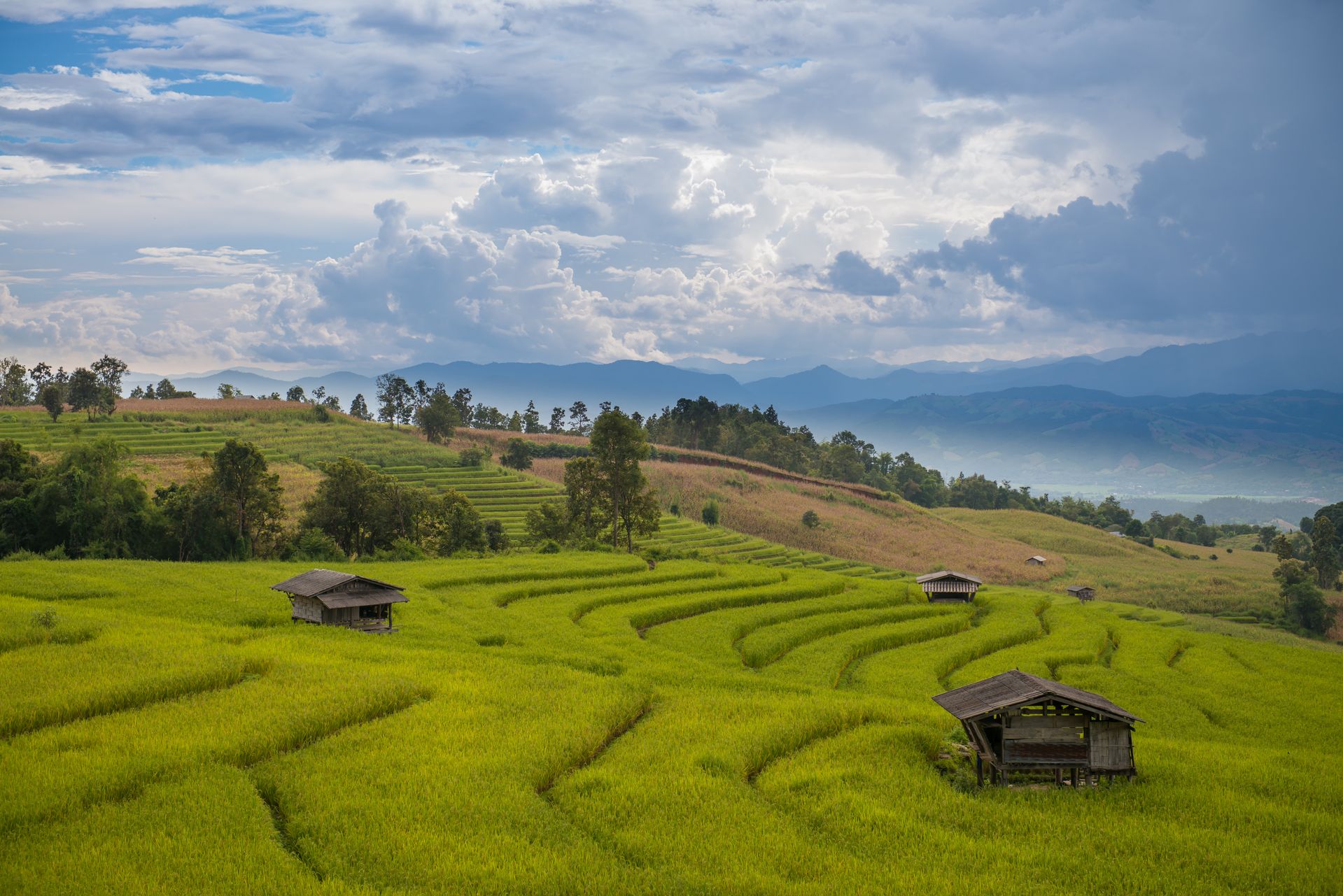

There is a particular kind of morning that only exists on a farm. The kind where the day begins before you have decided it should, pulled forward by the sound of animals moving, light arriving earlier than any city curtain could block, and the smell of something cooking in a kitchen that has been used seriously for decades. It is unhurried and purposeful at the same time, a combination that most modern travel experiences spend considerable effort trying to approximate and rarely quite achieve.
Farm stays have grown steadily as a travel category over the past decade, and the growth reflects something real about what a significant number of travelers are looking for. Not just accommodation in a rural setting, though that is part of it. A different relationship with food, with land, with the pace of a day organized around natural rhythms rather than itineraries. Farm stays deliver all of that, often at price points that compare favorably with mid-range hotels, and in settings that no hotel brand has yet found a way to manufacture.
The category is broader than most people initially assume, and understanding what it actually contains is the first step toward finding the version that fits.
What Farm Stays Actually Offer
The term covers a wide spectrum of experiences, from modest working farms that rent a spare room and invite guests to join in daily activity, to meticulously restored agricultural estates offering chef-prepared dinners, luxury linens, and the kind of attentive hospitality that belongs in the same conversation as high-end boutique hotels. What connects them is the land itself and the relationship the stay creates between guest and that land.
At the participatory end of the spectrum, farm stays invite guests into the actual work of the property. Feeding animals, collecting eggs, helping with a harvest, learning to milk a goat, or spending an afternoon in a kitchen garden with a host who can explain every plant in it. These are not performative activities staged for visitor entertainment. On genuine working farms, the work happens regardless of whether guests participate, and the invitation to join it is an extension of hospitality rather than a curated experience. The authenticity of that distinction is exactly what makes participatory farm stays memorable in a way that organized agritourism activities frequently are not.
At the more refined end, farm stays deliver the aesthetic and culinary rewards of agricultural life without requiring guests to get their hands particularly dirty. A converted stone barn on a wine estate in Tuscany, a renovated farmhouse on a lavender property in Provence, a timber homestead on a working sheep station in New Zealand: these properties offer exceptional food sourced almost entirely from the surrounding land, landscapes of a quality that urban accommodation cannot replicate, and a quality of quiet that many guests identify as the single most valuable thing the experience delivered.
Between those poles sits the majority of the farm stay market: properties that offer comfortable, characterful accommodation, genuine connection with the land and the people who work it, and meals that reflect where you are in a way that hotel dining rarely manages.
Where the World’s Best Farm Stays Are Found
Italy has developed one of the world’s most sophisticated farm stay markets through the agriturismo system, a legal and regulatory framework that has allowed working farms to offer accommodation and food service since the 1980s. The agriturismo model requires that the agricultural activity of the property remains primary, which means guests are staying on real working farms rather than properties that have repurposed agricultural aesthetics for tourist use. Tuscany and Umbria are the most internationally recognized regions for Italian farm stays, offering wine estates, olive groves, and livestock farms in landscapes of extraordinary beauty. But the agriturismo network extends across the entire country, with properties in Sicily, Piedmont, the Veneto, and the Amalfi hinterland offering equally compelling experiences in less trafficked settings.
France’s equivalent tradition, particularly strong in Provence, the Dordogne, and the Loire Valley, centers on the chambre d’hôte model, with farm properties offering bed and breakfast accommodation that frequently includes access to the surrounding agricultural operation and, in many cases, table d’hôte dinners prepared from the farm’s own produce. A working lavender farm in the Luberon, a duck farm in Gascony producing foie gras and confit, a goat cheese operation in the Loire: these are farm stay experiences that connect directly with some of the most defining elements of French food culture.
New Zealand has built a strong farm stay tradition around its sheep and cattle station culture, with high-country stations in the South Island offering accommodation that places guests within working landscapes of dramatic scale. The experience here is different in character from the European model, less about gastronomy and more about landscape, outdoor activity, and the culture of pastoral farming in one of the world’s great sheep-producing countries.
In the United States, the farm stay market has grown significantly across New England, the Pacific Northwest, and the agricultural regions of California, Virginia, and the Carolinas. Vermont’s dairy and maple farming culture, Oregon’s wine and lavender operations, and California’s Central Coast agricultural landscape have all produced farm stay properties that combine genuine agricultural character with hospitality standards that meet the expectations of experienced travelers.
India’s farm stay market, particularly in the southern states of Kerala, Karnataka, and Tamil Nadu, offers a category of experience unlike anything available in Western markets. Spice plantations, tea and coffee estates in the Western Ghats, and rice farming communities in the Kerala backwaters provide farm stay experiences embedded in agricultural traditions that are centuries old and deeply woven into local cultural and culinary identity. A stay on a working spice plantation in Wayanad or a tea estate in Munnar is not simply a rural accommodation option. It is an encounter with the agricultural history of one of the world’s great food cultures.
Farm Stays With Children: A Particular Kind of Value
For families traveling with children, farm stays offer something that coastal resorts and city breaks cannot: a direct, unmediated encounter with where food comes from and how it is produced. In an era when the majority of children in developed countries have no lived understanding of the agricultural systems that feed them, a few days on a working farm carries an educational weight that no classroom exercise replicates.
Children who collect eggs in the morning and eat them at breakfast, who watch a lamb being fed and then sit down to a meal prepared from the farm’s own produce, who spend an afternoon learning to bake bread with a host who grows the grain: these are experiences that tend to produce a lasting shift in how food is understood and valued. Farm stay hosts who welcome families are typically experienced at calibrating the level of involvement to children’s ages and abilities, and many actively design their guest programs around the interests of younger visitors.
The physical environment of a farm, open space, animals to observe and interact with, outdoor work to participate in, and the natural rhythms of a working property, also tends to produce a quality of engagement in children that screen-dominated indoor environments do not. Parents who have taken children on farm stays consistently report that the experience recalibrates attention and contentment in ways that outlast the trip itself.
How to Choose and Book a Farm Stay
The quality variance in the farm stay market is wider than in most accommodation categories, and the factors that determine a good experience are not always captured in photography or marketing copy. A few deliberate considerations before booking significantly improve the probability of finding a property that delivers what the category promises.
Understanding what kind of farm stay you are actually booking matters more than the listing might suggest. A property that describes itself as a farm stay but operates primarily as a rural guesthouse with decorative chickens is a different product from a genuine working farm that invites guests into its daily operation. Reading guest reviews carefully, looking specifically for comments about the authenticity of the agricultural activity and the quality of the host relationship, distinguishes between these categories more reliably than listing descriptions alone.
Communicating with the host before booking is both practically useful and indicative. Farm stay hosts who respond to inquiries with genuine warmth and specific information about their property, their operation, and what a stay actually involves are typically the same hosts who deliver exceptional experiences. The host relationship is central to what makes farm stays distinctive as a travel category, and the pre-booking exchange is often an early signal of its quality.
Timing within the agricultural calendar shapes the experience significantly. A vineyard farm stay during harvest season offers a fundamentally different experience from the same property in midwinter. A lavender farm in full bloom delivers something that the same property cannot offer in any other month. Researching the specific agricultural calendar of a property and booking to coincide with its most active and visually compelling period is one of the most reliable ways to maximize the value of a farm stay.
Why Farm Stays Are Growing and What That Growth Reflects
The rising popularity of farm stays as a travel category is not incidental. It reflects a broader and well-documented shift in how a significant number of travelers, particularly those with means and experience, are thinking about what they want a trip to deliver.
The appetite for genuine connection, with place, with food, with the people who produce it, and with a pace of life that feels sustainable rather than exhausting, has grown in direct proportion to the speed and noise of the environments most people inhabit for the other fifty weeks of the year. Farm stays do not offer escape from reality so much as access to a different version of it: one organized around seasons and harvests and the natural consequences of weather and soil rather than algorithms and deadlines.
The best farm stay is not a holiday from life. It is a reminder of what life, at a particular pace and in a particular relationship with the natural world, can actually feel like. That reminder, for most people who experience it, turns out to be worth considerably more than the nightly rate.