
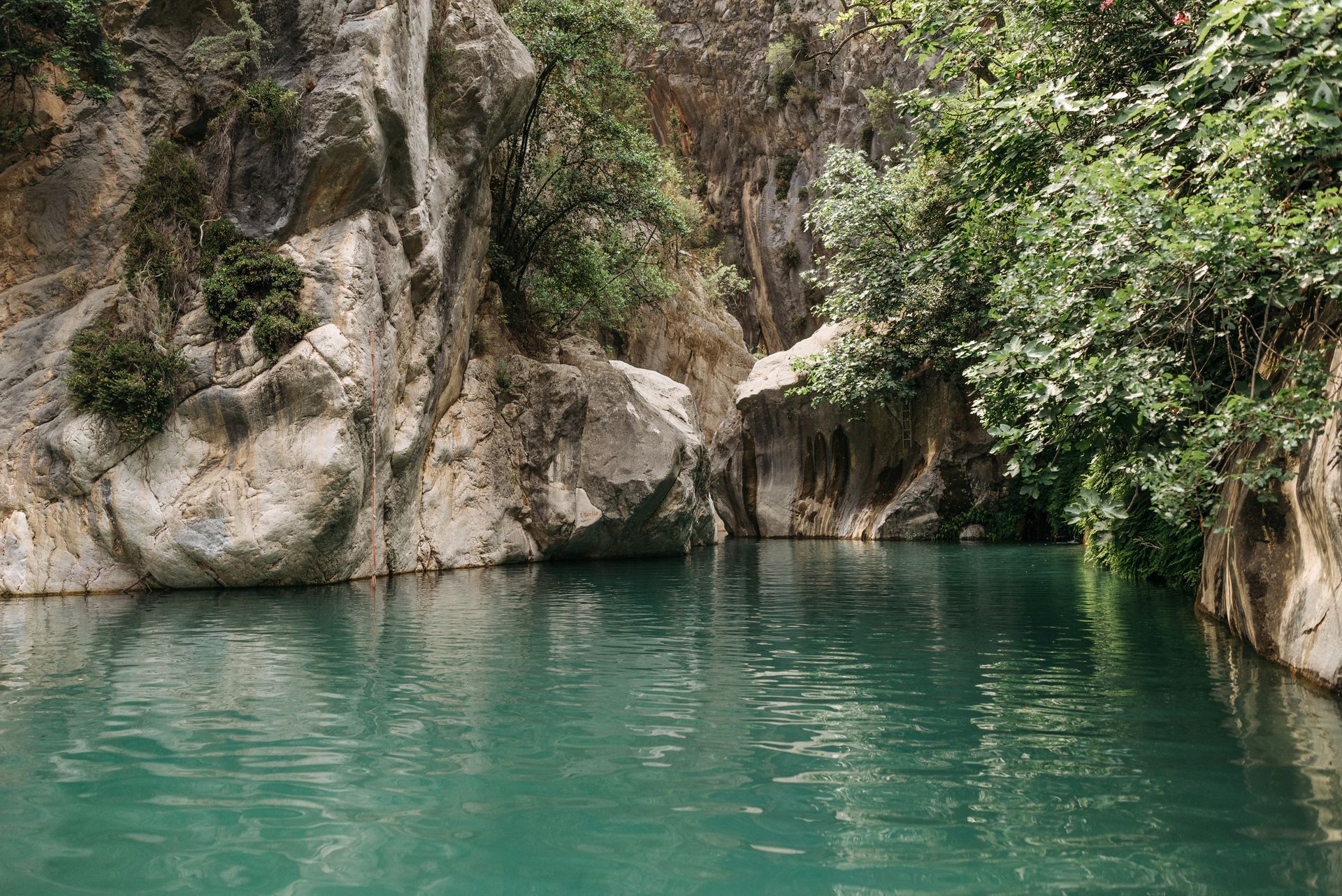

Every famous destination was once somebody’s secret. Before the crowds, the influencer queues, and the timed entry tickets, Santorini was a quiet volcanic island and Dubrovnik was a sleepy Adriatic port. Hidden gems travel is built on a simple instinct: the desire to find a place before it becomes a place everyone has already been to, and to experience somewhere on its own terms rather than through the filter of a thousand identical photographs.
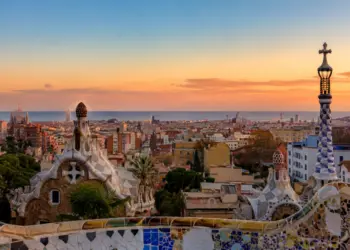
The appeal goes beyond bragging rights. Underrated destinations tend to deliver something increasingly rare in modern travel: lower costs, genuine local welcome, and the particular sense of discovery that comes from exploring somewhere without a script. As over-tourism has become a defining pressure on cities like Barcelona, Dubrovnik, and Venice, a meaningful share of travellers have started actively seeking the opposite experience, choosing destinations precisely because they have not yet been overrun.
Why Hidden Gems Travel Has Become a Genuine Movement
The shift is partly a response to the visible strain on famous destinations. Locals in cities including Dubrovnik and Barcelona have grown vocal about the cost of mass tourism, while residents of less-visited spots often express bewilderment that anyone would specifically seek out their hometown. That contrast captures something real about why hidden gems travel resonates: a place experienced without the friction of overwhelming crowds tends to leave a deeper, more personal impression.
There is also a sustainability dimension that has become harder to ignore. Spreading tourism demand toward underrated destinations reduces the pressure on overtouristed landmarks while channelling spending toward economies that genuinely benefit from increased visitor interest, rather than absorbing the strain of saturation. As one experienced travel writer put it, finding hidden gems is not just about the country, but the specific destinations chosen within it.
Europe’s Quiet Alternatives to the Obvious Choices
Europe remains the most mature hidden gems travel landscape, largely because its iconic destinations are so famous that genuine alternatives are easy to identify by comparison. North Macedonia has emerged as one of the continent’s most compelling value destinations, anchored by Lake Ohrid, a UNESCO-listed jewel sometimes called the Jerusalem of the Balkans for its 365 churches, at prices that consistently surprise travellers used to Western European costs. Albania continues to gain momentum as well, with the Albanian Riviera offering coastline comparable to Croatia’s without anything close to the crowds.
For travellers drawn to islands beyond the obvious Greek hotspots, Naxos offers ancient ruins, long sand beaches, and an outstanding culinary scene while remaining consistently bypassed by visitors rushing toward Santorini and Mykonos. Italy, despite being one of the most visited countries on earth, still hides genuine gems within easy reach of its famous cities: Bergamo’s hilltop Città Alta near Milan and the canal-laced city of Treviso near Venice both offer authentic Italian charm at a fraction of the crowding found in their better-known neighbours.
For travellers seeking something rawer still, the Faroe Islands have become known as the destination of choice for anyone who feels Iceland has grown too crowded, too expensive, or too commercialised, offering similarly dramatic landscapes with a fraction of the visitor numbers. Greenland follows a similar logic at an even more remote scale, alongside lesser-known pockets of Scandinavia and Eastern Europe where landscapes feel larger and crowds remain minimal.
Beyond Europe: The World’s Most Compelling Underrated Destinations
Asia offers some of the strongest hidden gems travel opportunities currently available. Taiwan has emerged as a particular standout, combining a vibrant democratic culture, one of the best street food scenes on the continent, especially in Taipei, and dramatic mountain and coastal scenery, while remaining genuinely uncovered by most Western tourists. Within Indonesia, travellers looking beyond an increasingly overcrowded and Westernised Bali are turning to Lombok, Flores, and Sulawesi for unspoiled nature, authentic small towns, and a level of local welcome that has largely disappeared from Bali’s main tourist zones. Japan’s northern island of Hokkaido remains comparatively overlooked despite offering breathtaking year-round landscapes, relaxing hot springs, and exceptional seafood, well outside the standard Tokyo and Kyoto circuit.
South America has produced several of the most consistently recommended hidden gems in recent travel analysis. Uruguay, sometimes described as the Switzerland of the South, offers a famously safe and progressive alternative to its larger neighbours, with uncrowded beaches at Punta del Este and the charming cobblestone streets of Colonia del Sacramento. Ecuador presents a particularly compelling case for travellers wanting maximum variety in minimum time: the Andes’ Avenue of the Volcanoes, the Amazon basin, and the colonial city of Cuenca are all accessible within a single short trip, made easier by the country’s use of the US dollar.
Africa’s hidden gems extend well beyond conventional safari circuits. Namibia offers an entirely self-drivable African adventure, with the otherworldly Sossusvlei sand dunes, Deadvlei, and the wildlife-dense Etosha National Park all accessible to independent travellers without requiring a guided safari. Madagascar, despite being widely known for its unique wildlife, receives remarkably few actual visitors relative to its fame, offering giant baobab forests and pristine coastlines found nowhere else on earth. Cape Verde, off Africa’s west coast, combines volcanic hiking trails, vibrant music-filled cities, and the highest democracy index on the continent, making it both rewarding and genuinely safe to explore.
Hidden Gems Closer to Home
Hidden gems travel does not require a long-haul flight. Within the United States, destinations including Mendenhall Glacier in Alaska, with its accessible turquoise ice caves, and White Sands National Park in New Mexico, with its surreal glistening dunes, remain remarkably underrated relative to their visual impact. Door County in Wisconsin offers a quieter version of the Great Lakes experience, while Marfa, Texas has become an unexpected art destination, complete with five-star hotels and curated galleries in the middle of remote West Texas desert.
How to Actually Find and Experience a Hidden Gem
The single most common mistake travellers make when seeking out underrated destinations is rushing. The best discoveries tend to happen when travellers stay long enough to be recognised by the local bakery, rather than treating a hidden gem as another box to check on a packed itinerary. This requires a fundamentally different pace than conventional sightseeing travel, favouring depth over breadth and genuine curiosity over an exhaustive checklist.
Researching local customs before arrival matters more in underrated destinations than in established tourist hubs, since the absence of heavy tourism infrastructure often means fewer English-language signs, less standardised guidance, and a greater reliance on respectful, informed engagement with local culture. Staying flexible is equally important. Many hidden gems lack the polished tourism infrastructure of famous destinations, and travellers who arrive expecting seamless logistics often miss what makes these places special in the first place.
The Bottom Line
Hidden gems travel rewards a different kind of traveller: one willing to trade guaranteed iconic photographs for genuine discovery, and predictable infrastructure for the particular magic of arriving somewhere that has not yet been fully mapped by everyone else’s itinerary. The destinations on this list will not stay hidden forever. Several, including the Faroe Islands and North Macedonia, are already showing early signs of the attention that eventually transforms a secret into a headline. For now, they remain some of the most rewarding places in the world to visit while that window stays open.