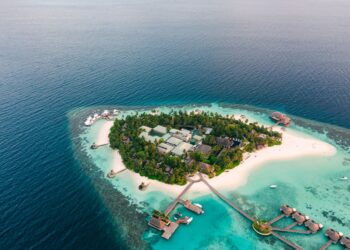

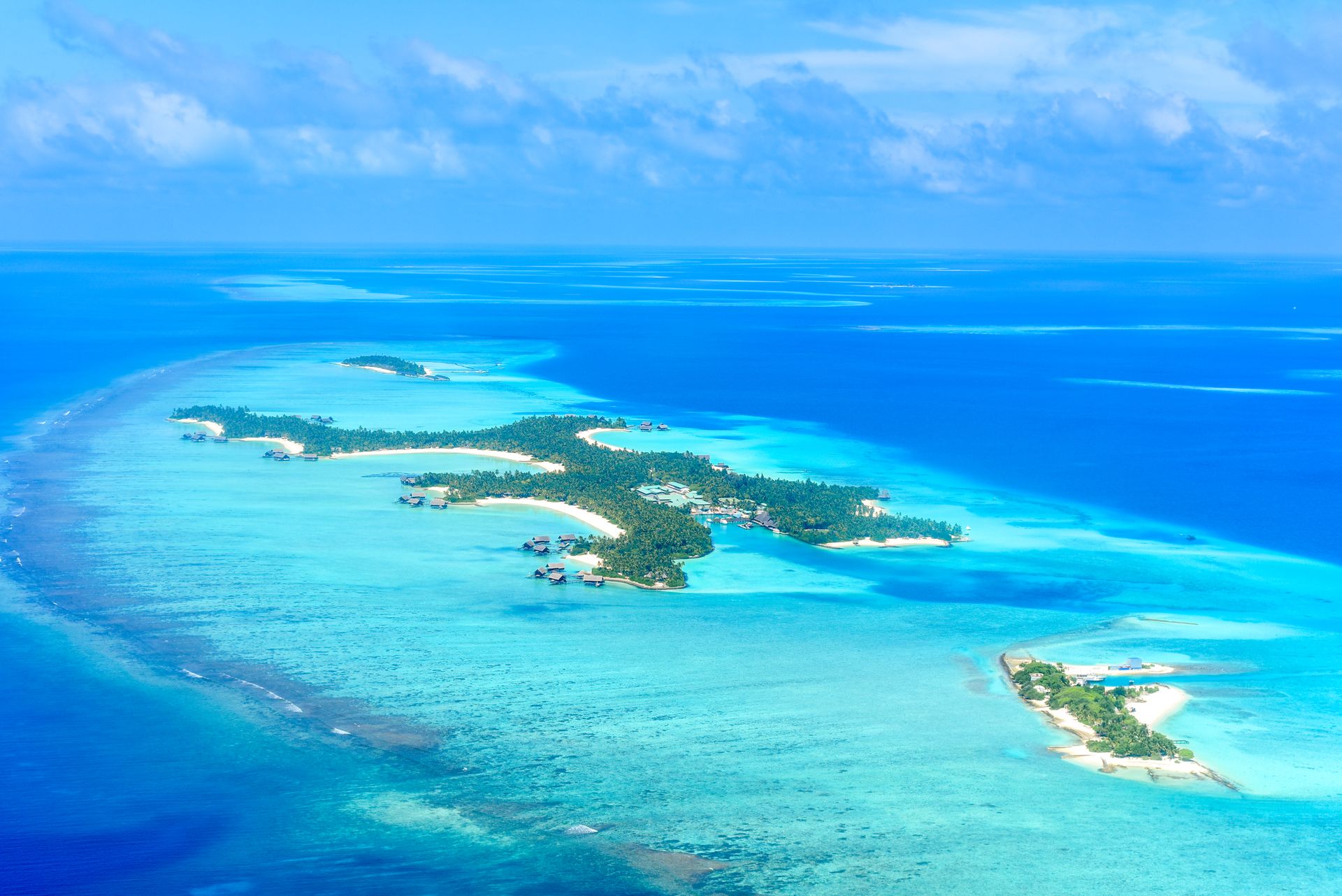

There is something about the idea of a private island that bypasses rational thinking entirely. No shared pools, no lobby crowds, no strangers at the next table. Just water in every direction, a piece of land that is, for the duration of your stay, entirely yours. For most people, it registers as fantasy rather than possibility, a category of luxury travel experiences that exists somewhere beyond the reach of anything resembling a normal life.
The reality is more accessible than most people assume. Private islands, as a travel category, span an enormous range of scale, price, and geography. Some are genuinely exclusive resorts charging tens of thousands of dollars per night for whole-island buyouts. Others are modest, beautifully run properties where a single couple or small family can book a stay for a few hundred dollars a night and still have the place largely to themselves. Understanding what the category actually contains changes how you think about whether it belongs on your travel list.
What Private Island Stays Actually Offer
The defining characteristic of a private island luxury travel experience is not opulence, though many deliver it. It is separation. The water between you and the mainland creates a psychological and physical boundary that no urban hotel, however grand, can replicate. You are not simply staying somewhere nice. You are staying somewhere removed, somewhere that requires deliberate effort to reach, and that deliberateness changes the quality of the rest.
The best private island properties are designed around that separation. Activities center on the water and the land: snorkeling, kayaking, fishing, hiking, birdwatching, and the increasingly rare experience of sitting on a beach with no one else on it. Meals are often prepared using local ingredients, sometimes sourced from the island itself. Staff-to-guest ratios at exclusive properties are frequently higher than at any comparable land-based resort, which produces a standard of attentive, unhurried service that is difficult to find elsewhere.
For families, private islands offer something particularly valuable: a contained, safe environment where children can move freely without the constant navigation of crowds. For couples, the combination of seclusion and natural beauty produces exactly the conditions most people are quietly searching for when they book any vacation, simply delivered without compromise.
Where the World’s Best Private Islands Are Found
Geography shapes the private island category significantly. The majority of the world’s accessible private island destinations cluster around warm, shallow-water archipelagos where the combination of climate, marine life, and navigable distances makes island hopping and exclusive stays practical.
The Maldives is the most recognized name in this category, and for good reason. The country is an archipelago of over a thousand coral islands, many of them small enough to be developed as single-resort properties. Some of the world’s most architecturally striking overwater accommodation sits here, and a number of islands operate on a one-resort, one-island model that delivers genuine exclusivity as a baseline rather than a premium add-on. The private island luxury travel experience in the Maldives is, in many cases, simply the standard product.
The Caribbean offers a different flavor. Destinations like the British Virgin Islands, the Grenadines, and the Turks and Caicos have developed strong private island markets, ranging from whole-island rentals of historic estates to boutique resorts on small cays with limited rooms and a strong emphasis on marine activity. Necker Island, Sir Richard Branson’s private island in the British Virgin Islands, is perhaps the most famous example of the whole-island buyout model, though it sits at the extreme high end of the price range.
French Polynesia, particularly the islands surrounding Bora Bora and the Tuamotu atolls, combines extraordinary lagoon scenery with a French-influenced hospitality culture that gives private island stays there a distinctive character. The overwater bungalow, now replicated across the world, originated here, and the originals remain among the most beautiful examples of the form.
Closer to Europe, the Croatian coast and the Greek islands have seen growing interest in private and semi-private island stays, with a number of small Adriatic and Aegean islands hosting boutique properties that offer near-total seclusion within a few hours of major European airports. These represent some of the most accessible private island luxury travel experiences for travelers based in or transiting through Europe.
Renting Versus Buying: A Question Worth Asking
For a certain category of traveler, the private island conversation eventually shifts from where to stay to whether to own. The global market for private island real estate is real, active, and more varied in price than most people imagine. Islands in less-developed markets, particularly in parts of Central America, the South Pacific, and the Baltic, have historically sold for prices comparable to residential real estate in major cities.
Ownership, however, comes with significant complexity. Development rights, environmental regulations, infrastructure costs, and the logistics of maintaining a remote property are all substantial considerations. Many buyers who approach private island ownership as a straightforward real estate transaction underestimate the operational demands considerably. For most people, the economics and practicalities point clearly toward renting.
The rental market for private islands has matured significantly over the past decade. Platforms now exist specifically for private island rentals, listing properties across dozens of countries at a wide range of price points. A privately owned island in Nova Scotia or the Finnish archipelago, for example, can often be rented for a week at prices that compare favorably with a suite at a high-end city hotel. The experience, needless to say, does not.
How to Plan a Private Island Trip Without Getting It Wrong
The single most important variable in a private island stay is not the island itself. It is the operator. A beautiful location managed carelessly produces a frustrating experience: supply chain issues, inconsistent food quality, and the particular loneliness of being stranded somewhere remote without adequate support. The best private island properties invest heavily in logistics precisely because they understand that their location, their greatest asset, is also their greatest operational challenge.
Reading recent, detailed guest reviews is essential. For smaller properties especially, the difference between a well-run and a poorly-run operation is stark, and it rarely shows up in the marketing photography. Travel advisors who specialize in this category typically have direct relationships with properties and can give candid assessments that booking platforms cannot.
Timing matters as well. Many private island destinations have pronounced wet seasons during which access becomes difficult and the experience diminishes considerably. Booking within the confirmed dry season for a given region is not optional, it is the foundation on which the rest of the trip is built.
At its best, a private island stay is not simply a vacation. It is the clearest possible expression of what travel, stripped of its noise and its crowds and its competing demands, is actually for.