

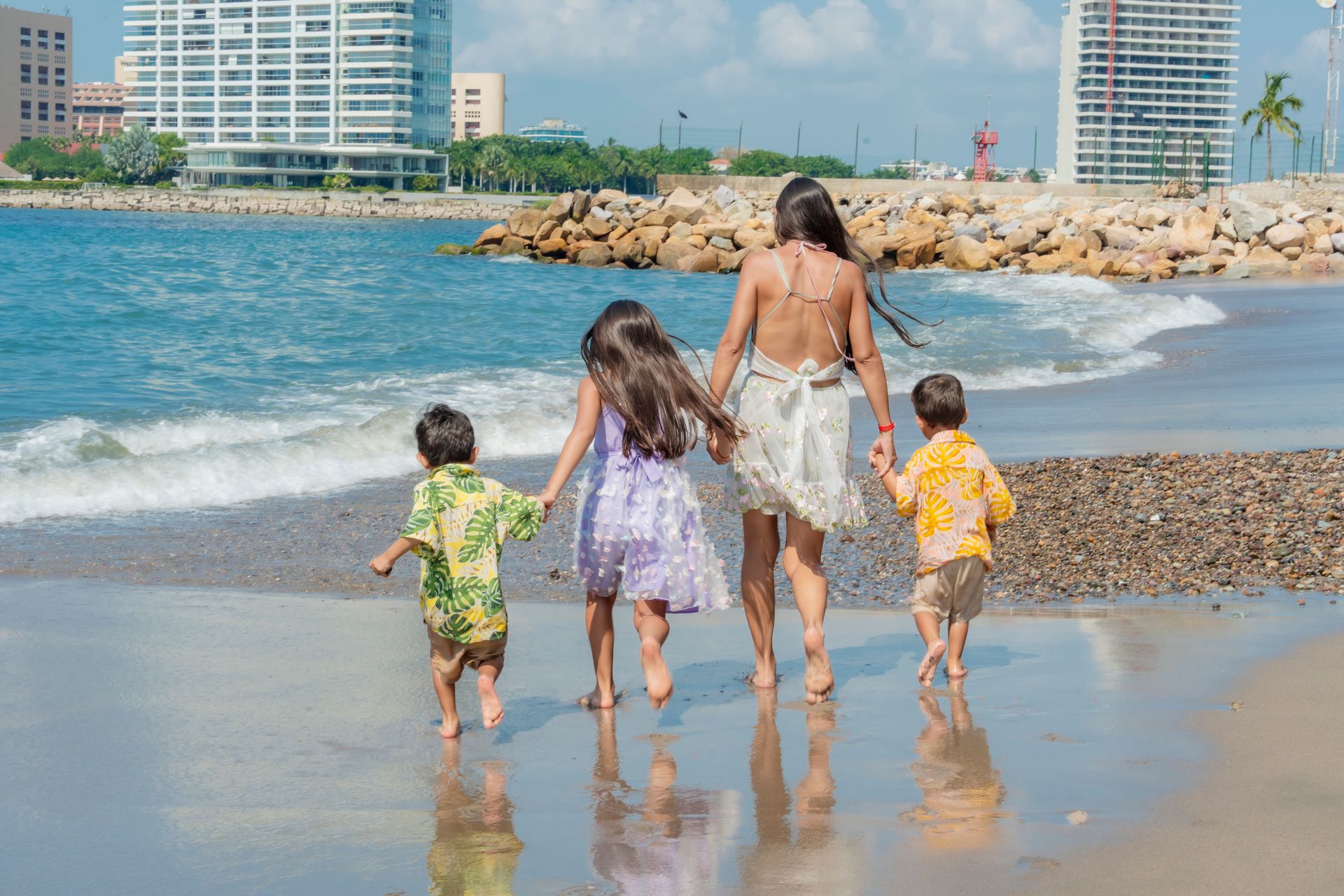

Nobody remembers the Tuesday they stayed home. According to the U.S. Travel Association, our most vivid childhood memories tend to come from family vacations taken between the ages of five and ten, ranking above school events, birthday parties, and most of the other milestones that parents spend enormous energy organising. That single fact explains a lot about why family travel is one of the most emotionally charged decisions a parent makes, and why getting the destination right matters more than almost any other variable in the planning process.
Kid friendly vacations are not a single category. They span everything from theme park immersion in Florida to glacier spotting in Alaska, Caribbean all-inclusive resorts to cultural city breaks in Tokyo, national park road trips across the American West to beach holidays in Portugal’s Algarve. What they share is not a type of experience but a quality of design: the right kid friendly destination makes the trip feel effortless for children while leaving enough for parents to genuinely enjoy it themselves. Finding that overlap, rather than optimising entirely for one group at the expense of the other, is what separates the trips families remember forever from the ones that everyone quietly agrees never to repeat.
The Destinations Dominating Family Travel in 2026
Orlando remains the undisputed anchor of kid friendly vacations, and the opening of Universal’s Epic Universe in 2025 has strengthened that position considerably heading into 2026. Multi-day tickets now allow families to access all of Universal’s Orlando parks across three, four, or five-day visits, giving the destination a depth and variety that rivals Walt Disney World’s own expansive offering. Epic Universe itself is packed with fully immersive themed worlds including areas dedicated to Super Mario, Harry Potter, and How to Train Your Dragon, with highlights including Monsters Unchained: The Frankenstein Experiment, a five-minute spectacle of animatronics and storytelling in the Dark Universe area. Combined with Disney World’s continuing strength, LEGOLAND Florida, water parks, and a range of family resorts across every price point, Orlando functions less like a city with theme parks and more like an entire destination purpose-built for family travel.
Tokyo has become one of the most consistently recommended international kid friendly vacation destinations among experienced family travellers, and the reasons hold up clearly under scrutiny. The city is exceptionally safe, spotlessly clean, and structured in a way that makes navigating with children significantly less stressful than most major international destinations. The combination of Tokyo Disneyland and DisneySea, alongside the immersive art experience at teamLab Planets, quirky cafés, Harajuku’s pop culture energy, and the Ueno Zoo, gives children of almost any age a genuinely inexhaustible range of things to engage with. Tokyo Disneyland and DisneySea are often described as more intimate and less overwhelming than Walt Disney World, making them particularly well suited to younger children who find the scale of American theme parks overstimulating. The best times to visit are spring, from March to May for cherry blossoms, or autumn between September and November for cooler and drier weather.
The Caribbean remains the default choice for families seeking maximum relaxation with minimum logistical complexity. Properties including Beaches Turks and Caicos, Atlantis in the Bahamas, and Nickelodeon Hotels and Resorts Punta Cana deliver the combination of all-inclusive convenience, water parks, kids clubs, and postcard-worthy beaches that make the Caribbean so consistently popular with families. The all-inclusive format removes daily spending decisions from the equation entirely, which for families travelling with children who want an ice cream every twenty minutes represents a genuine quality-of-life improvement over conventional hotel stays.
San Diego functions as one of the most reliably excellent domestic kid friendly vacation destinations, and it works across a notably wide age range. The San Diego Zoo, Balboa Park’s cluster of museums, LEGOLAND California a short drive north in Carlsbad, and the opportunity to spot sea lions in their natural habitat at La Jolla provide variety that keeps different ages genuinely engaged. The weather is consistent, the beaches are gentle enough for younger children, and the city’s overall infrastructure is designed in a way that makes navigating with a stroller or a tired six-year-old significantly less painful than most American cities.
Kid Friendly Vacations by Age Group
The most useful frame for choosing a kid friendly destination is matching it to the specific age of the children travelling rather than selecting generically. A destination that works brilliantly for a ten-year-old can be genuinely difficult with a two-year-old, and the planning decisions that make a trip successful shift considerably as children grow.
For toddlers and very young children, the clearest priorities are gentle pacing, familiar structure, and the ability to retreat quickly when naps or meltdowns make demands. San Diego’s calm beaches and world-famous zoo, a Caribbean cruise with built-in structure and onboard childcare, and nature-focused destinations like Banff in Canada with its scenic gondola and stroller-friendly trails all consistently rate well for this age group. Banff in particular offers the combination of surreal natural beauty and genuinely manageable logistics that parents of young children specifically need: the views are spectacular without requiring a long hike to reach them.
For children aged five to twelve, the sweet spot of family travel, the priority shifts toward hands-on engagement, imaginative environments, and a sense of genuine discovery. This is the age group that gets the most out of Orlando’s theme parks, that finds Tokyo’s Pokemon-hunting and quirky cafés genuinely thrilling, and that is old enough to appreciate the difference between a great destination and a mediocre one. Alaska fits this age group particularly well, offering whale watching, glacier excursions, and wildlife encounters that function like a living nature documentary for curious, energetic children. Many families choose to explore Alaska by cruise, which simplifies the logistics considerably: one unpacking, built-in entertainment, and a different spectacular view each morning.
For teenagers, the most successful kid friendly vacations are those that do not feel designed entirely around younger children. Tokyo works powerfully here for its anime culture, technology, and sense of genuine urban discovery. Rio de Janeiro, with its beaches, Sugarloaf Mountain, Christ the Redeemer, and surf classes at the Arpoador in Ipanema, offers the kind of vibrant, photogenic energy that teenagers find genuinely compelling. Costa Rica appeals across a wide age range for its combination of rainforest, wildlife, and adventure activities, with zip-lining, white water rafting, and snorkelling providing the adrenaline dimension that older children often need for a trip to feel worthwhile.
The Trends Reshaping Kid Friendly Vacations in 2026
Several clear patterns have emerged in how families are approaching travel this year. National park trips are booming as families increasingly prioritise outdoor and nature-based experiences, with destinations including Acadia National Park in Maine, combining coastal views and family-friendly hikes with the charming seaside town of Bar Harbor, and the Columbia River Gorge on the Oregon-Washington border drawing growing interest thanks to expanded nonstop flights to Portland and new glamping accommodation from Under Canvas that makes staying in the gorge significantly easier than it once was.
Mix-and-match vacations are also rising in popularity, with families combining a theme park leg with beach time, or a city break with a national park excursion, in a single trip. This format acknowledges the reality that different members of the same family often want different things from a vacation, and that a destination pairing can satisfy a wider range of needs than any single location alone.
International travel with kids has increased meaningfully, particularly to Europe and Japan. Disneyland Paris continues to draw significant family interest, and the park’s planned opening of its World of Frozen area in 2026 makes it a particularly compelling choice for families with young Disney fans. PortAventura near Barcelona, which combines Europe’s best water park with theme park rides and straightforward beach access, offers a practical and highly entertaining European family option that receives consistently strong reviews from families who discover it.
Practical Advice That Actually Makes a Difference
A few planning habits consistently separate good kid friendly vacations from genuinely great ones. Involving children in the planning process, even at a basic level, showing them pictures of the destination, letting them choose one activity, or asking what they are most excited about, significantly increases engagement on arrival and reduces the specific friction of children feeling like passengers in someone else’s trip.
Building rest time into the itinerary rather than treating it as wasted time is among the most consistently cited pieces of advice from experienced family travellers. Overscheduled family trips produce exhausted, irritable children by day three, and the memories that last tend to come from the slower, less planned moments rather than the attractions that required advance booking. A half-day with no agenda, a playground found by wandering, or an afternoon spent in a hotel pool with nothing to get to next, often produces the recollections children talk about longest.
Travelling during shoulder season delivers most of the same destination quality with significantly fewer queues, lower prices, and a more relaxed atmosphere than peak periods. May and September are both reliable shoulder months for Caribbean, Mediterranean, and European family destinations, while visiting Orlando or San Diego outside of summer school holidays and spring break compresses queues at major attractions in ways that measurably improve the experience.
The Bottom Line
Kid friendly vacations work best when the destination genuinely serves the whole family rather than optimising entirely for the youngest person in the group or defaulting to whatever requires the least planning. The trips that children remember into adulthood, and that parents genuinely enjoy rather than simply endure, tend to combine something magical for the kids with enough beauty, food, or culture for adults to feel they have actually been somewhere. Getting that balance right is the whole art of family travel, and the destinations on this list have all earned their reputations by delivering exactly that.