

Nobody is waiting for you. No one needs to agree on the restaurant. No compromises on the itinerary, the pace, the hotel, or the day trip that everyone else always vetoed. Solo travel, at its core, is the freedom to experience a place entirely on your own terms, and once most people try it, they wonder why they waited so long.
Solo travel has moved well past niche status. It is now one of the fastest-growing segments in global tourism, driven by a broadening mix of travellers: young backpackers, yes, but also midlife professionals taking a long-overdue trip and retirees finally getting to the destinations they spent decades dreaming about. Research from Condor Ferries estimated that around 25% of all travellers were going solo as far back as 2020, and the numbers have climbed steadily since. The average solo traveller today is around 47 years old, a figure that surprises people who still picture solo travel as an exclusively twenty-something pursuit.
Understanding what makes solo travel work, and where to actually go, is the difference between an experience that changes you and one you spend most of trying to push through.
Why People Choose Solo Travel in the First Place
Ask solo travellers what drove them to go alone and the answer is almost always some version of the same thing: freedom. In a survey highlighted by The Wandering RV, 45% of solo travellers cited freedom as the single biggest benefit of travelling alone. The ability to make every decision yourself, from where to eat breakfast to whether to spend an extra day somewhere unexpected, removes the friction that group travel quietly generates even between people who genuinely like each other.
But solo travel delivers something beyond logistical convenience. It builds confidence in a way that shared travel simply cannot replicate. When you navigate an unfamiliar city alone, solve a problem without backup, or strike up a conversation with a stranger in a hostel common room, you accumulate a particular kind of self-knowledge that stays with you. More than 73% of respondents in a Kensington Travel survey said their primary purpose for solo travel was enjoyment, with nearly half describing the trip as fulfilling a long-held dream. Solo travel is less about being alone and more about being fully present.
The Biggest Concerns, and Why Most of Them Are Manageable
Safety is the question that comes up most often, particularly for women travelling alone. It is a legitimate consideration, not one to brush aside with reassurance. But it is also more manageable than most people fear, and the destinations that work best for solo travellers tend to be the ones that make safety straightforward rather than something you have to engineer around every day.
Iceland consistently ranks at or near the top of global solo travel safety indexes, with low crime rates, a small population, and an exceptionally well-maintained public infrastructure. Japan has a similar reputation, and Tokyo is widely considered one of the safest major cities on earth for visitors travelling alone. Northern European countries including Denmark, Sweden, and Finland offer robust public systems and a cultural emphasis on individual wellbeing that makes solo exploration genuinely comfortable.
Cost is the other common concern, particularly for travellers used to splitting hotel rooms and shared transport. The honest answer is that solo travel can cost more per head than group travel, but the gap narrows considerably with smart destination choices. Porto, Portugal offers hostel accommodation for solo travellers from around $26 per night. Bali runs as low as $5 to $10 for a dorm bed. Albania, which has rapidly emerged as one of Europe’s most compelling budget destinations, delivers Adriatic coastline, mountain trails, and genuinely warm hospitality at a fraction of comparable Mediterranean prices.
Best Solo Travel Destinations Right Now
Japan tops nearly every credible list of solo travel destinations, and for good reason. It is safe, navigable even without Japanese language skills thanks to excellent signage and a helpful local culture, extraordinarily rewarding for food lovers, and structured in a way that suits solo itineraries. Tokyo, Kyoto, and Osaka are the obvious anchors, but increasingly it is regional Japan, smaller cities, rural ryokan inns, and sake breweries in places most tourists never reach, that solo travellers are finding most memorable.
Portugal, and Lisbon in particular, has become one of the most popular first-time solo destinations in Europe. The city is walkable, English is widely spoken, the food is outstanding, and the social infrastructure around solo travel, free walking tours, social hostels, cooking classes, is exceptionally well developed. Porto in the north offers a slightly quieter version of the same proposition with a characterful riverside setting and one of Europe’s most underrated wine traditions.
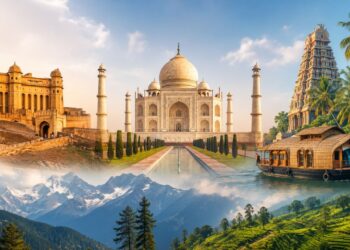
India ranked as the top solo destination in a 2025 Kensington Travel report of affluent travellers, praised for the depth of cultural experience it offers and the quality of its luxury accommodation. From the palaces of Rajasthan to the backwaters of Kerala, it rewards the kind of unhurried, curiosity-led exploration that solo travel naturally enables. It requires more planning and more situational awareness than Japan or Portugal, but for travellers willing to invest that preparation, it delivers an experience few destinations can match.
For those drawn to emerging destinations, Albania has become a standout. Affordable, scenically dramatic, and home to locals who remain among the most genuinely welcoming in Europe, it offers the Adriatic and Ionian coastlines, the Albanian Alps, and a sense of discovery that more established destinations have largely traded away for tourist infrastructure.
How to Make Solo Travel Work Practically
A few habits consistently separate good solo trips from great ones. Travelling during shoulder season, the weeks just before or after peak periods, delivers lower prices, thinner crowds, and a more authentic feel in almost every destination. Staying in social hostels for at least part of a trip, even for travellers who usually prefer private rooms, is one of the most reliable ways to meet people and shift the experience from solitary to genuinely social.
Free walking tours are worth doing in almost every major city. They cover a lot of ground efficiently, provide useful orientation, and tend to attract other solo travellers, making them a natural starting point for both navigation and connection. Sharing your itinerary regularly with someone at home is basic safety practice that costs nothing and removes a significant layer of anxiety.
Solo travel has also developed its own trend vocabulary worth knowing. The “me-moon,” a solo version of the honeymoon that emphasises self-indulgence and personal celebration, has gained considerable traction, with solo travellers booking spa retreats, boutique hotels, and scenic rail journeys that were once the exclusive territory of couples. The broader shift toward wellness-focused solo travel, combining hiking, mindfulness retreats, and local food culture, reflects a deeper change in what people are actually seeking when they travel alone.
The Bottom Line
Solo travel asks something of you that group travel rarely does: the willingness to sit with your own company, make your own decisions, and stay open to what happens when nobody else is setting the agenda. Most people who try it come back wondering why they treated it as a last resort rather than a first choice. The world is considerably more welcoming to solo travellers than it might appear from the outside. The hardest part is booking the ticket.