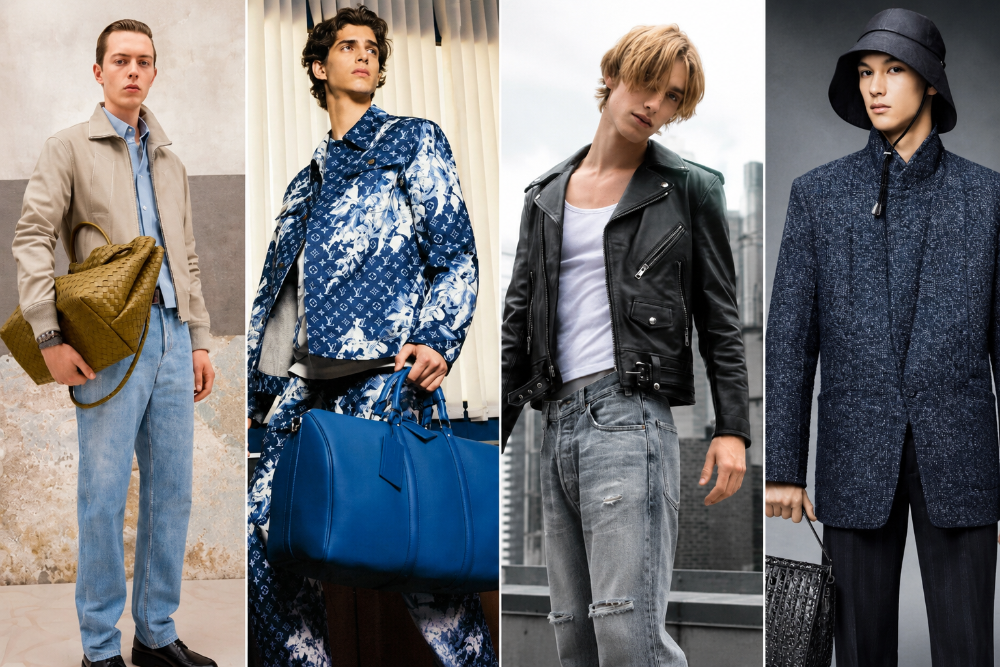

Luxury menswear in 2026 represents far more than expensive tailoring or prestigious labels. Instead, the modern luxury wardrobe reflects identity, discipline, cultural sophistication, and personal refinement. Over the last decade, affluent consumers have shifted away from loud branding and trend driven fashion. Consequently, the world’s most luxurious menswear brands now focus on craftsmanship, exclusivity, fabric innovation, and timeless elegance rather than obvious status symbols.
The rise of quiet luxury aesthetics has dramatically transformed elite male fashion culture. Billionaires, executives, athletes, and entrepreneurs increasingly prefer understated tailoring, neutral palettes, and discreet luxury pieces that communicate confidence through restraint. Moreover, modern consumers now value heritage craftsmanship and bespoke personalization more than mass produced designer fashion.
Luxury menswear has also become deeply connected to lifestyle psychology. Clothing no longer functions solely as presentation. Instead, it operates as an extension of identity, influence, and professional authority. As a result, prestigious menswear houses continue investing heavily in artisanal tailoring, rare textiles, and highly personalized customer experiences.
Meanwhile, Italian craftsmanship remains the global benchmark for elite menswear excellence. Heritage fashion houses continue defining standards for tailoring precision, fabric quality, and sophisticated masculinity. However, global luxury culture now blends traditional craftsmanship with contemporary minimalism, sustainability, and technological personalization.
From Stefano Ricci’s aristocratic elegance to Loro Piana’s ultra discreet luxury, the most luxurious menswear brands are shaping a new era of refined male fashion built on subtlety, exclusivity, and timeless sophistication.
What Defines a Truly Luxurious Menswear Brand?
A truly luxurious menswear brand extends beyond pricing or celebrity visibility. Instead, authentic luxury comes from craftsmanship, heritage, exclusivity, and meticulous attention to detail. The finest fashion houses invest decades developing artisanal techniques that cannot easily be replicated by mass market brands.
Craftsmanship remains the foundation of luxury menswear. For example, hand stitched lapels, floating canvas construction, artisanal leather finishing, and hand selected fabrics significantly separate elite tailoring from ordinary fashion. Moreover, premium brands frequently use rare cashmere, vicuña wool, silk blends, and custom developed textiles to create superior comfort and longevity.
Tailoring precision also defines luxury fashion excellence. Wealthy consumers increasingly prioritize fit, silhouette, and movement rather than oversized logos. Consequently, bespoke and made to measure services continue expanding throughout the luxury menswear industry.
Several characteristics distinguish truly luxurious menswear brands:
• Heritage craftsmanship and artisanal production
• Limited production and exclusivity
• Exceptional fabric sourcing and textile innovation
• Timeless tailoring instead of trend driven design
• Personalized customer experiences and bespoke services
Additionally, luxury menswear relies heavily on storytelling and cultural identity. Consumers often invest emotionally in heritage brands that represent sophistication, tradition, and elite lifestyle values. Therefore, the strongest luxury houses maintain consistent aesthetics across generations while carefully evolving for modern consumers.
The World’s Most Luxurious Menswear Brands
The global luxury menswear industry includes several legendary fashion houses recognized for tailoring excellence, exclusivity, and cultural prestige. Although each brand expresses luxury differently, all of them emphasize craftsmanship, refinement, and timeless masculinity.
Stefano Ricci
Stefano Ricci represents ultra elite menswear designed for billionaires, royalty, and global executives. The Florentine house specializes in powerful tailoring, luxurious silk accessories, crocodile leather goods, and highly exclusive collections. Moreover, the brand’s aggressive commitment to Italian craftsmanship reinforces its aristocratic identity.
Brioni
Brioni remains synonymous with Roman tailoring excellence. Known for handcrafted suits requiring dozens of hours to complete, the brand represents understated sophistication for diplomats, celebrities, and corporate leaders. Meanwhile, Brioni’s clean silhouettes and refined tailoring perfectly embody modern quiet luxury.
Loro Piana
Loro Piana dominates the luxury textile world through unmatched cashmere and wool innovation. Rather than relying on logos, the brand emphasizes texture, comfort, and minimalist elegance. Consequently, affluent consumers often consider Loro Piana the ultimate stealth wealth label.
Tom Ford
Tom Ford blends cinematic glamour with modern masculinity. Sharp tailoring, sensual fabrics, and structured silhouettes define the brand’s identity. Additionally, Tom Ford transformed contemporary menswear by making luxury tailoring appear both powerful and seductive.
Kiton
Kiton represents one of Italy’s most respected tailoring houses. The brand combines Neapolitan softness with extraordinary craftsmanship. For example, many Kiton garments require extensive handwork from master artisans trained for years.
Zegna
Zegna continues evolving as a global luxury powerhouse focused on textile innovation and sophisticated tailoring. Moreover, the brand balances modern functionality with timeless Italian elegance, appealing strongly to younger affluent professionals.
Berluti
Berluti initially gained fame through exceptional leather craftsmanship. However, the house now produces some of the world’s most refined menswear collections. Its elegant Parisian aesthetic combines artistry, masculinity, and understated luxury.
Hermès
Hermès remains one of the most exclusive luxury brands globally. Although widely known for leather goods, its menswear collections emphasize impeccable fabrics, subtle elegance, and exceptional artisanal standards.
Saint Laurent
Saint Laurent transformed modern menswear through slim tailoring and rock inspired sophistication. Meanwhile, the brand continues influencing luxury fashion with monochromatic styling and sleek minimalist aesthetics.
Ralph Lauren Purple Label
Purple Label represents American luxury at its highest level. Combining Savile Row tailoring influences with old money elegance, the line appeals strongly to wealthy consumers seeking timeless sophistication.
| Brand | Signature Style | Luxury Strength | Core Audience | Fashion Identity |
|---|---|---|---|---|
| Stefano Ricci | Aristocratic tailoring | Ultra exclusivity | Billionaires | Elite power dressing |
| Brioni | Roman tailoring | Handcrafted suits | Executives | Quiet sophistication |
| Loro Piana | Minimal luxury | Textile excellence | Stealth wealth consumers | Understated elegance |
| Tom Ford | Sharp glamour | Modern tailoring | Celebrities | Powerful masculinity |
| Kiton | Neapolitan tailoring | Artisan craftsmanship | Luxury collectors | Handmade refinement |
| Zegna | Modern Italian elegance | Textile innovation | Professionals | Functional luxury |
| Berluti | Parisian sophistication | Leather artistry | Fashion elites | Artistic masculinity |
| Hermès | Minimal exclusivity | Heritage craftsmanship | Ultra wealthy clients | Timeless prestige |
| Saint Laurent | Slim tailoring | Fashion influence | Creative professionals | Modern luxury rebellion |
| Ralph Lauren Purple Label | American aristocracy | Classic tailoring | Affluent traditionalists | Old money sophistication |
Why Quiet Luxury Dominates Modern Menswear?
Quiet luxury has become the defining aesthetic of elite menswear culture. Instead of oversized logos or flashy branding, affluent consumers increasingly prefer discreet elegance, exceptional materials, and refined tailoring. Consequently, luxury fashion now emphasizes subtle sophistication over visible status signaling.
Several cultural changes explain this transformation. First, wealthy consumers have become more educated about craftsmanship and textile quality. As a result, they value construction, fit, and fabric more than recognizable logos. Meanwhile, social media saturation has also encouraged affluent individuals to seek uniqueness through restraint rather than visibility.
Neutral palettes and clean silhouettes dominate modern luxury wardrobes. For example, camel cashmere coats, navy tailored trousers, suede loafers, and perfectly fitted jackets communicate sophistication without appearing excessive. Moreover, understated styling often appears more powerful because it reflects confidence rather than attention seeking behavior.
Quiet luxury menswear commonly includes:
• Neutral tones and monochromatic styling
• High quality natural fabrics
• Minimal visible branding
• Precision tailoring and clean structure
• Investment focused wardrobe building
Nevertheless, quiet luxury does not reject wealth signaling entirely. Instead, it communicates exclusivity through subtle indicators recognizable primarily to informed luxury consumers. Therefore, brands like Loro Piana and Hermès remain highly desirable precisely because their sophistication appears restrained.
The Psychology Behind Luxury Menswear
Luxury menswear operates deeply within human psychology. Clothing influences confidence, authority, perception, and emotional identity. Consequently, affluent consumers often invest heavily in fashion because tailoring shapes both self image and public influence.
Tailored clothing frequently enhances confidence by improving posture, structure, and personal presentation. Moreover, luxury garments create emotional satisfaction through craftsmanship appreciation and tactile experience. A perfectly tailored jacket or handcrafted shoe often generates psychological comfort that extends beyond appearance alone.
Fashion also functions as power signaling. Executives, entrepreneurs, and public figures use clothing strategically to communicate competence, discipline, and authority. Therefore, refined menswear becomes closely connected to professional influence and social positioning.
Several psychological factors drive luxury menswear demand:
• Desire for identity refinement
• Emotional connection to craftsmanship
• Social exclusivity and prestige
• Confidence enhancement through tailoring
• Appreciation for heritage and artistry
Additionally, affluent consumers increasingly reject disposable fashion culture. Instead, they seek garments with longevity, emotional value, and personal meaning. Consequently, luxury menswear now emphasizes timelessness over temporary trends.
| Fashion Era | Menswear Style | Branding Approach | Consumer Preference | Luxury Evolution |
| 1990s | Power suits | Visible logos | Status display | Corporate luxury |
| 2000s | Designer streetwear | Heavy branding | Celebrity influence | Fashion visibility |
| 2010s | Slim tailoring | Mixed branding | Social media appeal | Luxury experimentation |
| 2020s | Quiet luxury | Minimal branding | Sophisticated restraint | Stealth wealth culture |
| 2026 and beyond | Personalized elegance | Invisible exclusivity | Timeless craftsmanship | Identity driven luxury |
Italian Menswear and the Global Luxury Standard
Italy remains the undisputed leader in luxury menswear craftsmanship. From Naples to Florence and Milan, Italian tailoring culture combines artistry, heritage, and innovation unlike any other fashion ecosystem globally.
Neapolitan tailoring emphasizes softness, comfort, and natural movement. Meanwhile, Florentine craftsmanship often reflects aristocratic elegance and luxurious fabric detailing. Milanese tailoring, on the other hand, balances modern structure with refined minimalism. Together, these regional traditions shape global menswear standards.
Italian luxury also benefits from extraordinary textile innovation. Brands such as Loro Piana and Zegna continuously develop advanced fabrics that improve softness, durability, and comfort. Consequently, Italian mills dominate the global luxury textile market.
Several factors explain Italy’s dominance in luxury menswear:
• Generational artisan expertise
• Exceptional textile manufacturing
• Regional tailoring traditions
• Strong luxury heritage culture
• Emphasis on handcrafted production
Moreover, Italian menswear successfully balances tradition with modernity. While preserving artisanal craftsmanship, Italian brands also adapt to contemporary lifestyles through lightweight tailoring, flexible fabrics, and relaxed sophistication.
How Celebrities and CEOs Influence Luxury Menswear Trends?
Celebrity culture and executive fashion significantly shape modern luxury menswear demand. However, today’s influence differs dramatically from previous decades. Rather than promoting excessive branding, influential figures increasingly embrace understated sophistication.
Tech executives, finance leaders, and entrepreneurs now favor refined tailoring, monochromatic wardrobes, and discreet luxury brands. Consequently, billionaire fashion culture strongly supports quiet luxury aesthetics. Consumers often imitate these styles because they represent discipline, intelligence, and modern success.
Meanwhile, red carpet menswear has also evolved toward minimalism. Celebrities increasingly wear clean black tailoring, soft neutral tones, and sophisticated silhouettes instead of flamboyant statement pieces. Therefore, luxury menswear now appears more timeless and restrained.
Social media further accelerates these trends. However, affluent consumers increasingly admire authenticity and subtle refinement rather than excessive fashion theatrics. As a result, understated tailoring continues dominating elite menswear culture globally.
The Future of Luxury Menswear in 2026 and Beyond
Luxury menswear will continue evolving through technology, sustainability, and personalization. Although craftsmanship remains essential, innovation increasingly shapes the future of elite fashion.
AI assisted tailoring already allows brands to create highly accurate personalized fits using digital measurements and body mapping technology. Consequently, bespoke fashion may become more accessible while maintaining luxury precision.
Sustainable materials also influence the future of premium menswear. Luxury houses increasingly invest in ethical cashmere sourcing, regenerative wool production, and environmentally responsible manufacturing. Meanwhile, consumers now expect transparency alongside exclusivity.
Several developments will likely shape future luxury menswear:
• AI powered bespoke tailoring systems
• Sustainable luxury textile innovation
• Digital wardrobe personalization
• Enhanced online luxury shopping experiences
• Continued growth of timeless minimalist aesthetics
Nevertheless, timeless elegance will remain central to luxury menswear identity. Although trends evolve, affluent consumers consistently value craftsmanship, exclusivity, and refined sophistication above temporary fashion movements.
Read also: The Rise of Monochrome Streetwear in 2026
Unique Insight: Why Luxury Menswear Reflects Modern Cultural Transformation?
The rise of luxurious menswear brands reflects a much broader transformation within global luxury culture. Increasingly, affluent consumers prioritize discretion, craftsmanship, emotional sophistication, and identity refinement over obvious status symbols.
Modern luxury menswear communicates discipline, control, and cultural awareness rather than simple wealth display. Consequently, tailored clothing now represents intellectual sophistication and personal precision as much as financial success.
Quiet luxury has therefore become the dominant language of elite male style. Instead of attracting attention through branding, affluent consumers increasingly seek confidence through restraint, fit, fabric quality, and timeless design. Moreover, personalization and bespoke tailoring continue replacing trend driven consumption.
Future luxury fashion will likely prioritize:
• Timeless wardrobe investments
• Emotional connection to craftsmanship
• Personalized tailoring experiences
• Exclusivity through rarity and quality
• Understated elegance over visibility
Ultimately, true luxury menswear is no longer about being noticed instantly. Instead, it reflects confidence expressed through precision, sophistication, and restraint.
FAQs
What are the most luxurious menswear brands?
Stefano Ricci, Brioni, Loro Piana, Kiton, Hermès, Tom Ford, and Zegna are widely considered among the world’s most luxurious menswear brands.
Why is Italian menswear considered the best?
Italian menswear combines heritage tailoring, exceptional textiles, artisanal craftsmanship, and timeless elegance, making it the global luxury benchmark.
What is quiet luxury in menswear?
Quiet luxury emphasizes understated elegance, minimal branding, premium fabrics, and refined tailoring rather than flashy logos.
Are luxury menswear brands worth the investment?
High quality luxury garments often provide superior craftsmanship, durability, fit, and timeless style, making them valuable long term wardrobe investments.
Which luxury brands do billionaires wear?
Billionaires frequently wear discreet luxury brands such as Loro Piana, Stefano Ricci, Brioni, Hermès, and Kiton.
What defines premium tailoring?
Premium tailoring involves precise fit, handcrafted construction, high quality fabrics, and expert finishing techniques.
Why are handcrafted suits expensive?
Handcrafted suits require extensive labor, specialized artisan expertise, premium fabrics, and meticulous detailing.
How do executives style luxury menswear?
Executives typically favor clean tailoring, neutral colors, premium fabrics, and understated sophistication for professional authority.
What fabrics are used in luxury menswear?
Luxury menswear commonly uses cashmere, vicuña wool, silk blends, fine cotton, suede, and premium leather.
What is the future of luxury men’s fashion?
The future includes AI assisted tailoring, sustainable materials, personalized wardrobes, and continued growth of timeless quiet luxury aesthetics.