

The crowds will be at the usual places. These destinations reward everyone else.
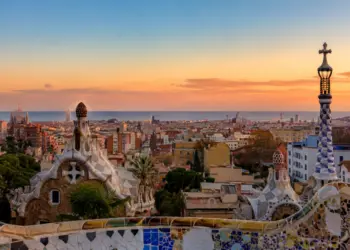
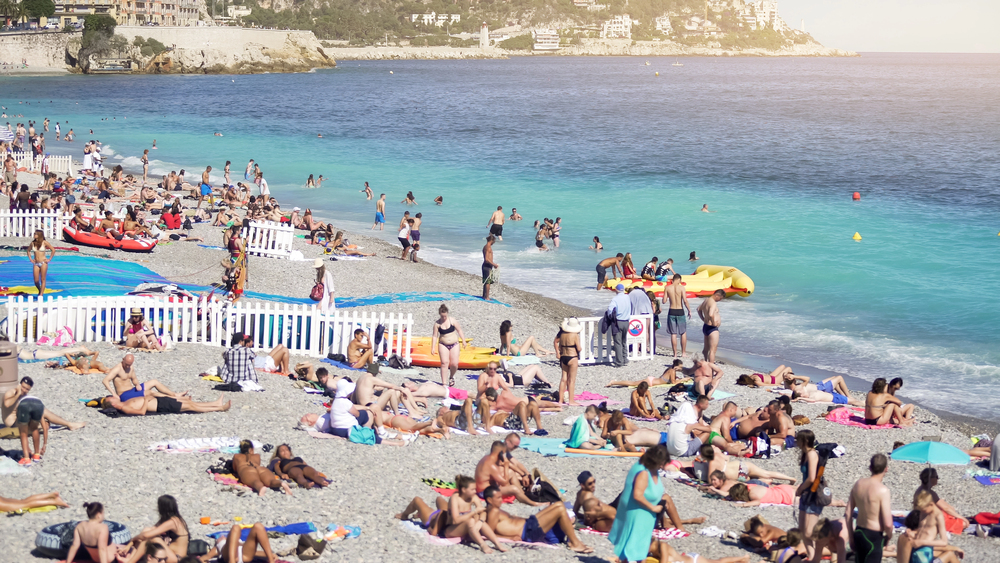
Every summer, the same conversation happens. Someone mentions they’re thinking about Santorini and someone else mentions they were just there and it was so crowded they could barely move. Someone brings up Barcelona and the table nods, knowingly. The places everyone wants to go have become, in a certain light, the places nobody really enjoys once they arrive, at least not in July and August, when the heat is oppressive, the queues are long, and the romantic cobblestone alley from the photograph turns out to be a narrow corridor packed with selfie sticks.
This is not an argument against popular destinations. It’s an argument for thinking one step sideways. The best summer trips tend to share a common quality: they’re places where the conditions that make sunderrated summer travel destinations Europeummer difficult elsewhere, the heat, the light, the long evenings, the loosened pace, are actually the point.
Here are several destinations that reward that kind of thinking.
Georgia (The Country, Not the State)
Tbilisi has been quietly accumulating admirers for the better part of a decade, but it still hasn’t tipped into the kind of mass tourism that changes a place’s character. The Georgian capital sits at an elevation that keeps summer temperatures more bearable than much of the Mediterranean, and the old town, Abanotubani, the sulfur bath district, Narikala fortress looming over it on the hill, has a layered, slightly crumbling beauty that feels genuinely lived-in rather than preserved for visitors.
The food and wine culture alone justifies the trip. Georgia is considered one of the oldest wine-producing regions in the world, with winemaking traditions stretching back thousands of years. The amber wines made in clay vessels called qvevri are unlike almost anything produced in Western Europe, and they’re drunk casually, with meals, the way wine should be.
Summer evenings in Tbilisi are long and warm and social. Tables spill onto streets. The city stays up late. For those willing to add a few extra days, the Kazbegi region to the north offers mountain scenery of genuine drama. The Gergeti Trinity Church perched above the village of Stepantsminda is one of the most striking sights in the entire Caucasus.
Slovenia
Slovenia has been on the periphery of European travel conversations for years without ever quite becoming overrun, which is partly a matter of size. The country is small, compact, and lacks a single magnetic landmark that funnels everyone to one spot, and partly because its neighbors, Croatia, Austria, Italy, draw travelers away before they think to stop.
This is a mistake worth correcting.
Lake Bled is the image most people know: the island church, the castle on the cliff, the improbably green water. It is as beautiful in person as it looks in photographs, which is not always true of famous landscapes. But Slovenia beyond Bled is arguably more interesting. The Soča Valley, where glacial meltwater runs in a shade of turquoise that seems digitally enhanced until you’re standing in it, is one of the most visually extraordinary places in Central Europe. The capital, Ljubljana, is compact and walkable and genuinely pleasant in summer, without the tourist density of Prague or Vienna.
Prices remain meaningfully lower than comparable Western European destinations. The food, anchored in Central European and Mediterranean influences, is quietly excellent.
Japan in Summer (With Caveats)
Japan in summer is genuinely hot and humid, particularly in the cities, and this requires acknowledgment rather than glossing over. July and August in Tokyo or Osaka demand a certain tolerance for heat and some logistical adjustment, lighter clothing, earlier mornings, afternoons spent in museums and covered markets rather than outdoors.
But Japan in summer also offers things no other season does. The festival calendar between June and August is extraordinary. Regional matsuri, fireworks displays that draw entire communities out in yukata, the quiet lantern-lit ceremony of Obon in mid-August when families return to ancestral towns. These are not tourist performances. They’re events that happen because they’ve always happened, and visitors who plan around them rather than despite them find something that package-tour itineraries consistently miss.
The summer greenery in Kyoto’s temple districts, heavy and almost tropical, is also significantly more atmospheric than the cherry-blossom-season crowds suggest. Fushimi Inari at 6am in late July, the torii gates cutting through dense green hillside in morning mist, is a different place entirely from the afternoon photographs that circulate endlessly online.
Morocco’s Atlantic Coast
Most people who visit Morocco in summer head to Marrakech, which is an interesting choice given that Marrakech in July regularly reaches temperatures that make extended time outdoors genuinely unpleasant. The Atlantic coast is a different matter.
Essaouira, three hours west of Marrakech, is swept by reliable ocean winds that keep summer temperatures moderate and the air clean. The medina is a UNESCO World Heritage Site, whitewashed walls, blue window frames, narrow lanes that open unexpectedly onto ocean views, and the town has a relaxed, slightly bohemian quality that distinguishes it from the intensity of Marrakech. It was a counterculture gathering point in the 1960s and retains something of that unhurried character.
Further north, Taghazout and the surrounding coastline have developed into a serious surf destination without losing the stripped-back quality that makes the Moroccan Atlantic coast so appealing. The water is cold by Mediterranean standards, fed by northerly Atlantic currents, which is, in the context of summer travel, a considerable selling point.
Albania
If there is a destination that still genuinely surprises people who visit it, Albania is currently the strongest candidate. The Albanian Riviera, the stretch of Ionian coastline from Sarandë south toward the Greek border, offers clear water, dramatic cliff scenery, and beaches that would command premium prices if they were located in Croatia or Greece. Instead, they remain relatively uncrowded and significantly more affordable.
Gjirokastër, the UNESCO-listed Ottoman city inland, is one of the most atmospheric old towns in the Balkans. The capital, Tirana, is colorful and energetic and has a restaurant and café culture that reflects decades of catching up after a long period of isolation. It feels genuinely alive rather than arranged for visitors.
Albania rewards the traveler willing to engage with a place on its own terms rather than arrive with a fixed checklist. Infrastructure has improved substantially in recent years, though it still requires more flexibility than a trip to Western Europe. That flexibility is, for many people, precisely the point.
The Principle Behind All of This
The destinations above don’t share a continent or a climate or a price bracket. What they share is a certain quality of being slightly ahead of the crowd, known enough to have decent infrastructure and real visitor culture, not yet so discovered that the original character has been smoothed away to accommodate everyone.
That window doesn’t stay open forever. Tbilisi will get busier. Albania’s coast will develop. The best argument for visiting any of these places is not that they’ll always be like this. It’s that they are, right now, exactly like this.
Summer is long. The obvious choices will still be there next year. These ones are worth going to while they still feel like a discovery.