

For decades, Antarctica occupied a unique place in the travel imagination. It was a destination associated with polar explorers, scientific expeditions, and a select group of adventurers willing to endure extreme conditions to reach the southernmost continent. Today, however, that perception is changing rapidly. More travelers than ever are booking trips to Antarctica, transforming what was once a niche expedition into one of the most desirable journeys in modern luxury travel.
This growing interest reflects a broader shift in how affluent travelers define value. Traditional luxury vacations centered on five-star resorts, private beaches, and exclusive city experiences are increasingly competing with destinations that offer rarity, discovery, and personal transformation. Rather than seeking another predictable luxury getaway, many travelers now prioritize extraordinary experiences that deliver lasting memories.
The rise of expedition tourism has played a major role in this evolution. Luxury operators, enhanced expedition vessels, and immersive travel experiences have made Antarctica more accessible without diminishing its sense of remoteness. At the same time, social media, documentaries, and travel publications have introduced millions of people to Antarctica’s breathtaking landscapes and wildlife encounters.
As a result, trips to Antarctica are no longer viewed as extreme adventures reserved for specialists. They have become one of the most sought-after bucket-list experiences for travelers seeking something genuinely extraordinary.
Antarctica’s Transformation From Exploration Frontier to Luxury Destination
Historically, Antarctica represented the final frontier of exploration. The stories of legendary explorers navigating unforgiving ice fields helped establish the continent as one of the world’s most inaccessible destinations. For much of the twentieth century, visiting Antarctica remained beyond the reach of ordinary travelers.
The emergence of expedition tourism gradually changed this perception. Specialized operators began offering carefully managed voyages that allowed visitors to experience the continent while maintaining strict environmental standards. What started as a niche travel segment steadily evolved into a sophisticated industry focused on exploration, education, and conservation.
Today, luxury expedition companies have elevated the experience even further. Modern vessels combine expert-led exploration with high-end accommodations, gourmet dining, wellness facilities, and personalized service. Travelers can now witness some of Earth’s most dramatic landscapes while enjoying comforts once associated only with luxury ocean cruising. This evolution has helped Antarctica transition from a remote exploration frontier into one of the world’s most coveted travel destinations.
Why Experiential Travel Is Driving Demand?
One of the most significant trends shaping global tourism is the growing preference for experiences over possessions. Travelers increasingly seek journeys that create meaningful stories rather than simply providing relaxation or entertainment.
What makes Antarctica particularly compelling is its ability to combine adventure, education, and personal achievement within a single journey. Visitors often describe the experience as transformative, offering a rare opportunity to disconnect from daily routines and engage with one of the planet’s last truly wild environments.
This reflects a broader shift in luxury travel, where exclusivity is no longer measured solely by material comforts. Instead, travelers value experiences that are difficult to replicate elsewhere.
Key motivations include:
- Exclusivity and limited access
- Authentic encounters with nature
- Personal achievement and exploration
- Educational opportunities with experts
- Unique storytelling and photography experiences
- Meaningful connections to conservation efforts
In many ways, Antarctica has become the ultimate experiential destination because it offers something increasingly rare in modern tourism: genuine discovery.
The Appeal of an Antarctica Expedition
An Antarctica expedition offers an experience fundamentally different from traditional cruise vacations. Rather than focusing primarily on onboard entertainment, the journey centers on exploration and immersion in one of the world’s most extraordinary environments.
Wildlife encounters are often among the highlights. Visitors may observe vast penguin colonies, seals resting on floating ice, and whales surfacing near expedition vessels. These interactions occur in a setting that feels remarkably untouched by human development, creating a sense of wonder that many travelers struggle to find elsewhere.
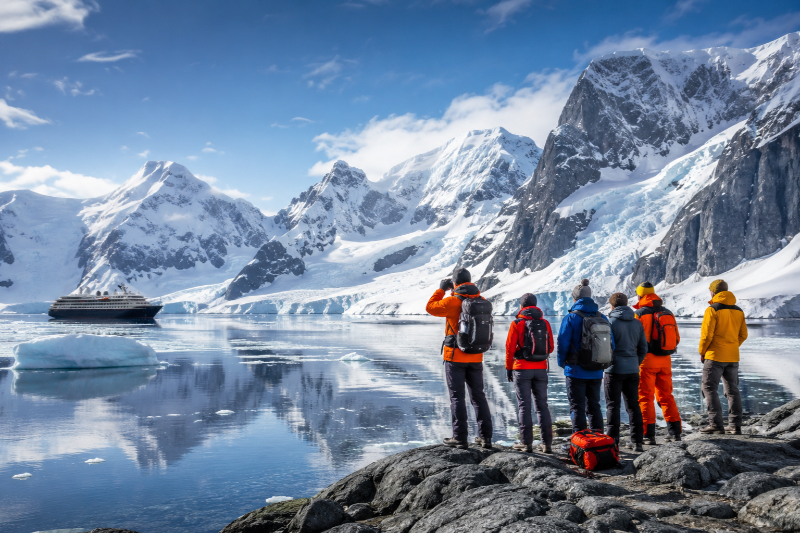
An Antarctica expedition cruise also provides access to dramatic landscapes that continually change throughout the voyage. Towering glaciers, sculpted icebergs, snow-covered mountains, and expansive sea ice create a constantly evolving visual experience. Zodiac excursions allow travelers to venture beyond the ship and explore remote landing sites inaccessible to larger vessels.
Unlike conventional cruises, many Antarctica tours are led by scientists, historians, naturalists, photographers, and polar experts. Their guidance transforms the journey into a deeper educational experience, helping travelers understand the region’s ecology, history, and global significance.
Travel Motivation and Long-Term Value
| Travel Motivation | Antarctica Experience | Traveler Benefit | Long-Term Value |
|---|---|---|---|
| Adventure | Polar exploration and landings | Personal achievement | Lifelong memories |
| Nature | Wildlife encounters | Emotional connection | Greater environmental awareness |
| Education | Expert-led lectures | Deeper understanding | Continued learning |
| Photography | Unique landscapes | Exceptional imagery | Lasting personal stories |
| Exclusivity | Limited visitor access | Rare experience | Prestige and uniqueness |
How Antarctica Cruises Have Evolved?
The modern Antarctica cruise bears little resemblance to the expedition voyages of previous decades. Technological advancements have dramatically improved comfort, safety, and access while preserving the spirit of exploration.
Today’s expedition ships feature advanced stabilization systems, luxurious suites, wellness centers, fine dining experiences, and sophisticated observation lounges. These enhancements have broadened Antarctica’s appeal among travelers who may not consider themselves traditional adventurers.
Luxury operators have become particularly influential in this transformation. Programs such as Silversea Antarctica combine expedition expertise with ultra-luxury hospitality, creating experiences that appeal to travelers accustomed to premium accommodations. Similarly, the National Geographic Antarctica cruise experience emphasizes education and exploration through partnerships with scientists, photographers, and field experts.
Sustainability has also become a defining characteristic of modern Antarctic travel. New vessels are increasingly designed to reduce environmental impact while complying with strict international regulations governing tourism in the region. As a result, travelers can enjoy immersive exploration while supporting responsible tourism practices.
Understanding Antarctica Cruise Cost
One of the most common questions prospective travelers ask concerns Antarctica cruise cost. While Antarctica remains a premium destination, understanding pricing requires looking beyond the headline numbers.
Most expedition voyages range from approximately $7,000 to more than $25,000 per person, depending on itinerary length, vessel category, cabin selection, and included experiences. Ultra-luxury voyages may exceed these figures, particularly for premium suite accommodations and extended expeditions.
Several factors influence pricing:
- Length of voyage
- Departure location
- Ship size and luxury level
- Included excursions
- Expert programming
- Seasonal demand
- Cabin category
Interestingly, demand continues to grow despite relatively high prices. Many travelers view Antarctica as a once-in-a-lifetime investment rather than a routine vacation expense.
Travelers seeking the cheapest Antarctica cruise options often consider shorter itineraries, shoulder-season departures, or last-minute availability. However, even entry-level Antarctic voyages generally remain more expensive than conventional cruise experiences due to logistical complexity and strict environmental regulations.
The Influence of Social Media and Travel Storytelling
The rise of social media has significantly contributed to Antarctica’s growing popularity. Images of penguins against dramatic ice formations, kayaks navigating pristine waters, and expedition travelers standing on remote polar shores resonate strongly with modern audiences.
Travel storytelling has evolved from simple vacation snapshots into immersive narratives. Antarctica provides an abundance of content opportunities, allowing travelers to document journeys that feel cinematic and genuinely distinctive. As these stories circulate online, they inspire others to pursue similar experiences.
Documentary-style content has further amplified interest. Streaming platforms, travel publications, and photography-focused media regularly showcase Antarctica’s remarkable landscapes, introducing audiences to a destination many once considered inaccessible.
This digital visibility creates a powerful cycle. Each shared experience increases awareness, and growing awareness fuels further demand. As more travelers witness Antarctica through the experiences of others, the continent continues moving from aspiration to reality.
Comparing Expedition Styles
| Expedition Type | Typical Cost Range | Experience Level | Ideal Traveler |
| Standard Expedition | $7,000–$12,000 | Moderate | First-time polar travelers |
| Premium Expedition | $12,000–$18,000 | High | Experience-focused travelers |
| Luxury Expedition | $18,000–$30,000+ | Very High | Luxury adventure seekers |
| Extended Exploration | $20,000–$40,000+ | Expert-Level Immersion | Polar enthusiasts and repeat visitors |
Why Antarctica Appeals to High-Net-Worth Travelers?
High-net-worth travelers increasingly prioritize destinations that offer privacy, rarity, and meaningful experiences. Antarctica satisfies all three criteria exceptionally well.
Unlike heavily visited luxury destinations, Antarctica remains protected by strict visitor limitations and environmental regulations. The result is a travel experience that feels genuinely exclusive without relying on manufactured exclusivity.
Remote luxury has become a major trend within premium tourism. Rather than gathering in crowded resort destinations, affluent travelers are seeking places that few people will ever visit. Antarctica’s geographic isolation naturally fulfills this desire.
There is also a unique status associated with reaching the southernmost continent. Visiting Antarctica signals curiosity, exploration, and a willingness to pursue experiences beyond conventional luxury travel. For many travelers, that distinction carries greater value than traditional luxury markers.
The Future of Antarctica Tourism
Looking ahead, Antarctica’s tourism industry is likely to continue evolving through a combination of innovation, sustainability, and responsible growth.
Expedition operators are investing heavily in new vessel technologies designed to reduce emissions and improve environmental performance. Enhanced navigation systems, scientific partnerships, and sustainable operating practices will continue shaping the future of Antarctic travel.
Luxury expedition cruising is also expected to expand as demand increases among travelers seeking unique experiences. However, growth will likely remain carefully managed to preserve the continent’s fragile ecosystem and ensure compliance with international conservation standards.
As awareness of climate change grows, conservation-focused travel may become an even more important component of Antarctic tourism. Many travelers leave with a deeper appreciation for environmental stewardship, reinforcing the educational value of these journeys.
Unique Insight – Antarctica Represents the New Definition of Luxury
The growing popularity of trips to Antarctica reveals something important about the future of luxury travel. Increasingly, luxury is being defined not by material excess but by access to experiences that are rare, meaningful, and transformative.
Geographic rarity has become a powerful status symbol. In an era when many destinations are easily accessible, Antarctica remains one of the few places capable of delivering genuine remoteness. Travelers are not simply purchasing a vacation; they are gaining access to an experience unavailable to most people.
Personal transformation also plays a significant role. The scale of the landscape, the silence of the environment, and the realization of standing on Earth’s least-visited continent often create profound emotional impact. These experiences remain memorable long after the journey ends.
In many ways, Antarctica has become the ultimate experiential destination. The popularity of trips to Antarctica reflects a broader evolution in luxury travel, where exclusivity is increasingly defined by extraordinary access, authentic exploration, and meaningful personal experiences rather than traditional luxury amenities alone.
Frequently Asked Questions
Why are more people booking trips to Antarctica?
Growing interest in experiential travel, luxury expedition cruising, wildlife encounters, and social media exposure has made trips to Antarctica increasingly popular among modern travelers.
How much do trips to Antarctica cost?
Most trips to Antarctica range from approximately $7,000 to over $25,000 per person, depending on itinerary, ship type, and luxury level.
What is an Antarctica expedition cruise?
An Antarctica expedition cruise is a voyage focused on exploration, wildlife observation, educational programming, and shore landings rather than traditional cruise entertainment.
What is included in Antarctica tours?
Most Antarctica tours include accommodations, meals, guided excursions, Zodiac landings, lectures, and expert-led exploration activities.
Is Silversea Antarctica worth it?
Many travelers consider Silversea Antarctica worthwhile because it combines luxury accommodations, exceptional service, and immersive expedition experiences.
What is a National Geographic Antarctica cruise?
A National Geographic Antarctica cruise typically emphasizes education, photography, scientific expertise, and in-depth exploration led by experienced expedition teams.
What is the cheapest Antarctica cruise available?
The cheapest Antarctica cruise options are usually shorter itineraries, shoulder-season departures, or last-minute bookings, though prices typically remain above standard cruise vacations.
When is the best time to visit Antarctica?
The Antarctic travel season generally runs from November through March, offering varying wildlife activity and environmental conditions.
How long does an Antarctica cruise last?
Most Antarctic cruises last between 10 and 20 days, depending on the route and expedition objectives.
Why is Antarctica considered a luxury destination?
Antarctica combines exclusivity, limited access, remote exploration, exceptional natural beauty, and transformative experiences, making it one of the world’s most distinctive luxury destinations.