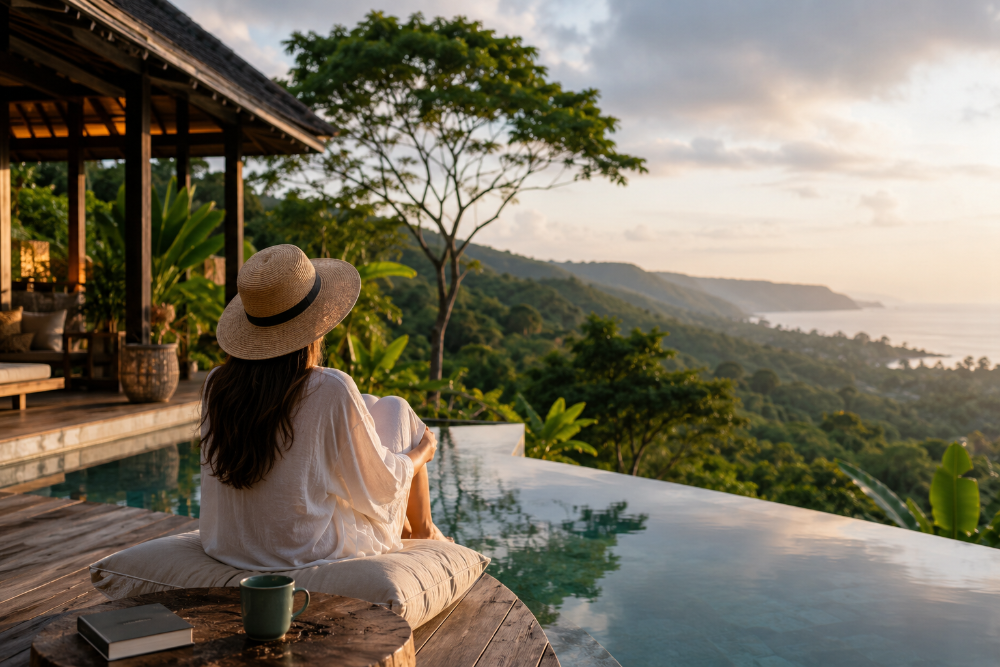
The global travel industry is undergoing a profound transformation. While luxury travel once emphasized packed itineraries, exclusive checklists, and rapid movement between destinations, a new philosophy is reshaping the way affluent travelers experience the world. The slow travel luxury trend has emerged as one of the defining travel movements of 2026, reflecting a growing desire for deeper connections, authentic experiences, and meaningful personal enrichment.
Today’s luxury travelers increasingly prioritize quality over quantity. Rather than visiting multiple destinations in a short period, they choose to spend extended time in one location, immersing themselves in local culture, cuisine, traditions, and daily life. Consequently, luxury is no longer measured solely by extravagance or exclusivity. Instead, time itself has become one of the most valuable travel assets.
Moreover, wellness culture has significantly influenced travel preferences. Travelers seek experiences that promote balance, mindfulness, and recovery from increasingly demanding lifestyles. As a result, slow travel aligns perfectly with the broader movement toward intentional living and holistic well being.
Social attitudes toward travel have also evolved. Sustainability concerns, digital fatigue, and the desire for authentic engagement are encouraging travelers to rethink traditional tourism models. Meanwhile, luxury hospitality brands continue adapting their offerings to meet these changing expectations.
The rise of long stay luxury vacations demonstrates that affluent consumers increasingly value immersion over speed. Therefore, the slow travel luxury trend represents more than a temporary preference. It reflects a fundamental shift in how modern luxury travelers define fulfillment, value, and memorable experiences.
What Is Slow Travel and Why Is It Growing?
Slow travel centers on intentional exploration rather than maximizing the number of destinations visited. Instead of rushing from one attraction to another, travelers spend more time engaging deeply with a single place. Consequently, experiences become richer, more personal, and often more meaningful.
The philosophy encourages travelers to connect with local communities, understand cultural traditions, and appreciate daily rhythms that often remain invisible to conventional tourists. Moreover, slower journeys reduce the pressure associated with tightly scheduled itineraries.
Modern travelers increasingly embrace this approach because it aligns with broader lifestyle values. Many individuals seek greater presence, mindfulness, and authenticity in their everyday lives. As a result, they naturally gravitate toward travel experiences that support these priorities.
Key elements of slow travel include:
- Extended stays in fewer destinations
- Authentic cultural engagement
- Flexible itineraries
- Meaningful local interactions
- Intentional exploration
Therefore, slow travel continues growing because it offers experiences that feel more rewarding than traditional tourism models focused on constant movement.
Why Affluent Travelers Are Choosing Slow Travel?
Affluent travelers have become major drivers of the slow travel luxury trend. Unlike travelers constrained by limited vacation time, many high net worth individuals possess the flexibility to spend longer periods exploring destinations in depth.
The luxury of time has become increasingly valuable. While material possessions remain important, wealthy consumers increasingly prioritize experiences that create lasting memories and emotional fulfillment. Consequently, slow travel offers an attractive alternative to rushed luxury itineraries.
Moreover, high pressure professional lifestyles often create a desire for meaningful escapes. Slow travel provides opportunities to disconnect from constant demands while reconnecting with personal interests and passions. As a result, travelers return feeling refreshed rather than exhausted.
Personalization further enhances the appeal. Extended stays allow travelers to develop unique experiences tailored to their interests, whether focused on gastronomy, wellness, art, history, or outdoor adventure.
| Travel Style | Experience Quality | Stress Level | Cultural Immersion | Luxury Perception |
|---|---|---|---|---|
| Fast Paced Tourism | Moderate | High | Limited | Traditional |
| Multi City Tours | Moderate | Moderate | Moderate | Conventional |
| Slow Travel | Very High | Low | Very High | Modern Luxury |
| Long Stay Luxury Travel | Exceptional | Low | Exceptional | Premium Luxury |
Wellness and the Rise of Slow Luxury Travel
Wellness tourism continues expanding rapidly, and slow luxury travel sits at the center of this evolution. Travelers increasingly recognize the connection between travel experiences and overall well being. Consequently, many seek vacations designed to support physical, emotional, and mental health.
Slow travel naturally complements wellness principles. Extended stays reduce the stress associated with transportation, scheduling, and constant transitions. Moreover, travelers gain greater opportunities to establish healthy routines while away from home.
Digital detox experiences have become particularly popular. Constant connectivity often contributes to stress and burnout. Therefore, many luxury travelers intentionally choose destinations and accommodations that encourage presence and mindful engagement.
Common wellness focused slow travel experiences include:
- Luxury spa retreats
- Nature immersion programs
- Mindfulness and meditation escapes
- Holistic wellness resorts
- Long stay recovery focused vacations
As a result, wellness has become one of the strongest forces supporting the growth of slow luxury travel.
Sustainable Tourism and Conscious Luxury
Sustainability increasingly influences luxury consumer behavior. Travelers now consider environmental and social impact alongside comfort and exclusivity. Consequently, slow travel aligns naturally with the values of conscious luxury tourism.
Longer stays often reduce the frequency of transportation related emissions compared with multiple short trips. Moreover, travelers who spend more time in destinations tend to support local businesses, restaurants, artisans, and service providers more directly.
Responsible tourism practices also benefit communities. Slow travelers frequently develop stronger relationships with local cultures and demonstrate greater respect for traditions and environments. As a result, destinations may experience more sustainable economic benefits.
Additionally, luxury consumers increasingly seek experiences that reflect their personal values. Therefore, sustainable travel choices often enhance rather than diminish perceptions of luxury and sophistication.
How Luxury Hotels and Resorts Are Adapting?
Hospitality brands have responded quickly to changing traveler expectations. Luxury hotels and resorts increasingly recognize that guests seek immersion rather than simply accommodation.
Extended stay packages have become more common. These offerings often include wellness programs, cultural experiences, culinary exploration, and flexible scheduling. Consequently, travelers enjoy deeper engagement with destinations while maintaining high levels of comfort.
Private villas and residential style accommodations also support slow travel preferences. Moreover, these options provide greater privacy, personalization, and opportunities for long term stays.
Many luxury properties now offer:
- Destination immersion experiences
- Personalized local excursions
- Wellness centered programming
- Culinary education opportunities
- Cultural engagement activities
Meanwhile, hospitality brands increasingly position themselves as facilitators of meaningful experiences rather than providers of luxury amenities alone.
| Travel Priority | Traditional Luxury Travel | Slow Luxury Travel | Consumer Benefit | Future Relevance |
| Speed | High | Low | Reduced stress | Moderate |
| Exclusivity | High | High | Personalization | High |
| Cultural Connection | Moderate | Very High | Authenticity | Very High |
| Wellness | Moderate | Very High | Recovery | Very High |
| Sustainability | Limited | High | Responsible travel | Very High |
Destinations Leading the Slow Travel Movement
Certain destinations naturally lend themselves to slow travel experiences because of their culture, pace, and emphasis on immersion. These locations encourage travelers to engage deeply rather than simply observe.
Italy remains one of the most celebrated slow travel destinations. Countryside retreats in Tuscany and Umbria allow visitors to experience local traditions, regional cuisine, and a relaxed lifestyle. Consequently, travelers often spend weeks rather than days exploring these regions.
Japan offers exceptional opportunities for cultural immersion. Traditional inns, local craftsmanship, tea ceremonies, and regional exploration create experiences that reward patience and curiosity.
Portugal continues attracting travelers seeking coastal slow living experiences. Meanwhile, New Zealand appeals through nature focused adventures that encourage reflection and connection with the environment.
Peru also stands out for experiential cultural travel. Extended stays allow visitors to explore local traditions, historical sites, and regional communities at a more meaningful pace.
These destinations succeed because they encourage depth, authenticity, and personal connection.
The Psychology Behind the Slow Travel Luxury Trend
The popularity of slow travel reflects important psychological shifts in how people define luxury and success. Increasingly, consumers view time as their most valuable resource. Consequently, experiences that allow them to use time intentionally become highly desirable.
Experiential wealth has also gained importance. Many affluent consumers derive greater satisfaction from meaningful experiences than from acquiring additional possessions. Therefore, travel becomes a powerful tool for personal enrichment.
The desire for presence and mindfulness further contributes to this trend. Modern life often involves constant notifications, information overload, and endless demands for attention. In contrast, slow travel creates opportunities for focus, reflection, and genuine engagement.
Moreover, emotional memories frequently provide lasting value. While material purchases may lose significance over time, meaningful travel experiences often become treasured personal stories that continue generating satisfaction long after the journey ends.
The Future of Slow Luxury Travel Beyond 2026
The future of luxury travel will likely become even more experience focused. Technology, wellness, and personalization will continue shaping travel decisions, yet the core principles of slow travel appear positioned for long term growth.
AI assisted travel planning may enhance personalization by helping travelers design itineraries aligned with specific interests and goals. Consequently, journeys could become even more tailored and meaningful.
Luxury remote work travel also represents a growing opportunity. As flexible work arrangements become more common, affluent professionals may combine productivity with extended destination stays. Moreover, this trend supports deeper cultural engagement and lifestyle integration.
Regenerative tourism will likely gain momentum as travelers seek to leave positive impacts on destinations. Therefore, future luxury travel experiences may focus not only on personal enjoyment but also on environmental and community benefits.
Meanwhile, wellness integrated planning will continue expanding, creating travel experiences that support long term health and personal growth.
Read also: Luxury Airlines Redefining Air Travel in 2026
Unique Insight: Luxury Is Shifting From Ownership to Enrichment
The slow travel luxury trend reveals a fundamental transformation in luxury culture. Affluent consumers increasingly value time, presence, and meaningful experiences over excess consumption. Consequently, luxury is evolving from a concept rooted in ownership toward one centered on emotional enrichment.
Travelers no longer measure successful trips by the number of destinations visited. Instead, they prioritize authentic engagement, personal growth, and memorable experiences. As a result, immersion has become more valuable than speed.
Wellness and sustainability further reinforce this shift. Modern travelers seek journeys that support their health, align with their values, and contribute positively to local communities. Moreover, personalization allows experiences to feel uniquely meaningful rather than standardized.
This evolution suggests that future luxury tourism will increasingly prioritize depth, authenticity, and long term impact. Therefore, slow travel is redefining luxury by making time, attention, and connection the most valuable assets a traveler can possess.
FAQs
What is slow travel?
Slow travel emphasizes spending more time in fewer destinations while focusing on meaningful cultural engagement and authentic experiences.
Why is slow travel popular in 2026?
Travelers increasingly seek wellness, sustainability, deeper cultural connections, and relief from fast paced lifestyles.
Is slow travel considered luxury travel?
Yes. Many affluent travelers view time, immersion, and personalization as modern forms of luxury.
How does slow travel reduce stress?
It minimizes rushed schedules, frequent transportation, and constant transitions between destinations.
What are the benefits of slow travel?
Benefits include deeper cultural understanding, improved wellness, reduced stress, and more meaningful experiences.
Which destinations are best for slow travel?
Italy, Japan, Portugal, New Zealand, and Peru are among the leading destinations for immersive slow travel experiences.
How does slow travel support sustainability?
Longer stays often reduce travel frequency and encourage stronger support for local communities and businesses.
Why do affluent travelers prefer slow travel?
They value flexibility, meaningful experiences, personalization, and the luxury of time.
Can slow travel improve wellness?
Yes. Slow travel supports relaxation, mindfulness, recovery, and healthier travel experiences.
What is the future of luxury travel?
The future will likely emphasize personalization, wellness, sustainability, immersive experiences, and regenerative tourism.