

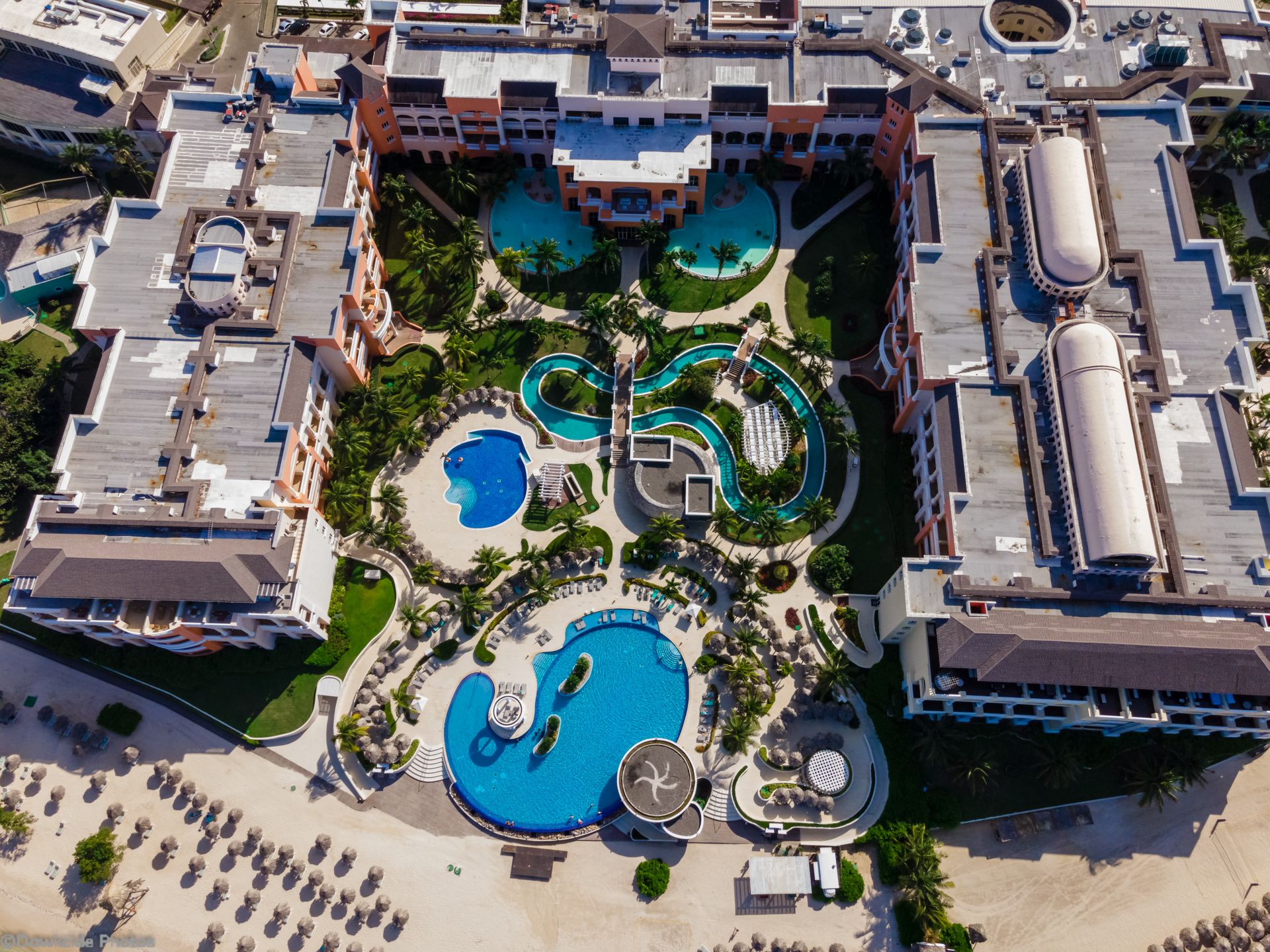

Most people still picture the same thing when they hear the words all-inclusive resort: a beer-guzzling pool game, a buffet line that runs out of ideas by day three, and a property that feels less like a destination and more like a holding pattern. That image is increasingly out of date, and the gap between the old stereotype and what the category has actually become is one of the more interesting stories in travel right now.
All-inclusive resorts have undergone a genuine transformation, moving from a budget-conscious, mass-market format into a segment now being embraced by some of the most prestigious names in hospitality, including Four Seasons, Ritz-Carlton, Hyatt, and W Hotels. What was once associated almost exclusively with mediocre buffets and organised pool games is now home to multicourse tasting menus, craft cocktail programmes, and properties that hold Forbes 4 and 5-Star ratings. Understanding why this shift happened, what the modern all-inclusive resort actually offers, and how to choose between the wide range of options now available is worth knowing before booking your next stay.
Why All-Inclusive Resorts Are Suddenly a Luxury Category
The appeal at the centre of the all-inclusive model has not changed, even as the execution has improved dramatically. Knowing exactly what your total bill will be before you arrive remains one of the format’s most genuinely valuable features. It removes the budgeting anxiety that conventional travel often produces, particularly for families and for travellers who drink regularly, where the cost of separately priced meals, drinks, and activities can balloon well beyond initial expectations. There is also something quietly freeing about not having to make a financial decision every time you want a second cocktail by the pool.
What has changed is the level of execution applied to that same underlying promise. Vermont’s Twin Farms has long stood as proof that an all-inclusive model could deliver some of the finest lodging experiences in the country, period, having held Forbes 5-Star status as one of the smallest properties in the world to do so. The model has since expanded well beyond a handful of outliers. Major hotel groups including Hyatt, Hilton, and Marriott have significantly expanded their all-inclusive portfolios in recent years, bringing established luxury service standards and brand consistency into a category that once relied heavily on independent operators of varying quality.
The shift is also a response to a broader fatigue with the alternative. Many luxury resorts in secluded destinations, particularly islands or properties without walkable access to town, have historically charged premium rates simply because guests have nowhere else to go. A growing number of travellers have grown tired of feeling like a captive audience for the hotel’s food and beverage operation. The all-inclusive model offers an explicit alternative to that dynamic, and increasingly, an upscale one.
What Today’s Best All-Inclusive Resorts Actually Offer
The defining feature of the modern luxury all-inclusive is how far the inclusions now extend beyond meals and drinks. At Casa de Campo in the Dominican Republic, greens fees for golf are included, a rarity in the category. At ultra-luxury properties including Twin Farms in Vermont and top dude ranches across Montana and Wyoming, downhill skiing comes bundled into the rate. Some properties go further still: Four Seasons Naviva in Mexico includes a complimentary spa treatment per stay, an amenity typically charged separately even at high-end all-inclusives.
The W Punta Cana, the brand’s first all-inclusive concept globally, has been singled out repeatedly by independent reviewers for elevating the format with experiential dining concepts, top-shelf liquor in its craft cocktails, and a well-curated menu of wellness and spirituality-focused activities. Rates start at around $700 per night based on double occupancy, reflecting how far the price ceiling on this category has risen alongside its quality.
For travellers drawn to adventure rather than beachfront lounging, a distinct subcategory has emerged around all-inclusive outdoor experiences. Lodges across South America, alongside properties in Montana and Costa Rica, now bundle food, wine, and a full daily slate of guided activities including hiking, biking, rafting, and horseback riding into a single all-inclusive rate. Safari lodges across Africa increasingly follow the same model, giving travellers cost certainty on what is otherwise one of the more unpredictable categories of travel to budget for.
The Caribbean and Mexico remain the dominant geographic centre of the all-inclusive resort world, but the category has expanded into genuinely unexpected destinations. Abu Dhabi’s Rixos Premium Saadiyat Island offers a full all-inclusive package, alcohol included, on a stretch of white sand beach in the UAE. Fort Young Hotel and Dive Resort in Dominica bundles daily scuba diving into its all-inclusive packages alongside unlimited beverages. Surf Synergy in Costa Rica runs a week-long, all-inclusive surf programme combining wellness, instruction, and accommodation into a single structured offering.
Choosing the Right All-Inclusive Resort for Your Trip
The breadth of the modern all-inclusive category means the most important decision is not whether to book one, but which type fits your trip. Adults-only properties, now a significant share of new openings including Secrets Playa Esmeralda and Zemi Miches in the Dominican Republic, suit couples and travellers seeking a quieter atmosphere. Family-friendly resorts including the upcoming Ocean Azure Costa Mujeres, with its water park and lazy river, and properties offering dedicated kids’ clubs remain widely available and continue to anchor much of the category’s volume.
For travellers focused purely on relaxation, beachfront properties with multiple pools, a strong spa programme, and varied dining remain the standard format. For those wanting more from the trip itself, destination-specific all-inclusives built around golf, diving, skiing, or wellness offer a structured way to combine a specific interest with the cost certainty the format provides.
Booking timing matters more in this category than many travellers realise. Newly opened properties often offer meaningfully reduced rates during their first months of operation, though early guests should expect some inconsistency in service and dining as new staff complete training. Loyalty programme points from major hotel groups including Hyatt, Marriott, and Hilton increasingly extend to all-inclusive properties, with some redemptions, such as Hyatt’s category-based all-inclusive award nights, offering genuinely strong value for points-focused travellers.
The Bottom Line
All-inclusive resorts are no longer a single, easily generalised category. They range from family-friendly mega-resorts with water parks to Forbes 5-Star country retreats with included ski access, and the quality spread across that range has improved dramatically in recent years. The format’s core promise, knowing your cost upfront and removing the friction of constant in-trip spending decisions, remains as appealing as ever. What has changed is how good the experience built around that promise can now genuinely be.