








Luxury train journeys are redefining premium tourism in 2026 as affluent travelers increasingly prioritize immersive experiences over rapid transportation. Across Europe, Asia, Africa, and North America, luxury rail travel has evolved far beyond nostalgic sightseeing. Today’s elite train experiences combine five-star hospitality, private suites, fine dining, curated cultural excursions, and cinematic landscapes into a single moving ecosystem of luxury.
Moreover, the global rise of slow travel culture has accelerated demand for experiential tourism that values depth, comfort, and emotional connection. While commercial aviation continues to emphasize speed and efficiency, luxury train journeys offer the opposite experience: deliberate movement through landscapes designed for reflection, indulgence, and storytelling. As a result, premium rail travel now appeals to travelers seeking exclusivity, privacy, and meaningful destination immersion.
Historic rail brands such as the Venice Simplon-Orient-Express and the Belmond Royal Scotsman have therefore become symbols of contemporary luxury lifestyle travel rather than simple transportation services. Meanwhile, emerging luxury rail routes in Asia, Africa, and Canada continue to expand the market for curated hospitality experiences on rails.
In many ways, luxury trains now function as moving luxury hotels. Guests dine in Michelin-inspired carriages, sleep in elegantly restored suites, and experience personalized concierge-level service while crossing some of the world’s most scenic regions. Consequently, rail tourism has transformed into a premium lifestyle category where time itself becomes part of the luxury experience.
Why Luxury Train Journeys Are Growing in 2026?
The growing popularity of luxury train journeys reflects larger shifts within global tourism behavior. Travelers increasingly seek experiences that feel emotionally rewarding, culturally immersive, and physically relaxing. Therefore, rail travel aligns perfectly with the broader movement toward intentional and slower forms of luxury tourism.
Moreover, affluent travelers are becoming more selective about how they spend time during vacations. Instead of maximizing destinations within short itineraries, many now prefer fewer locations paired with richer experiences. Luxury trains answer this demand by transforming transit itself into the highlight of the journey.
Several trends are driving this growth:
- Rising interest in slow travel and wellness tourism
- Increased demand for heritage and cultural experiences
- Sustainability awareness among premium travelers
- Desire for privacy and exclusivity
- Preference for curated hospitality ecosystems
Meanwhile, luxury rail operators continue investing heavily in upgraded suites, gourmet culinary programs, and personalized excursions. Consequently, modern rail experiences now compete directly with ultra-luxury cruises and boutique resorts rather than conventional transportation providers.
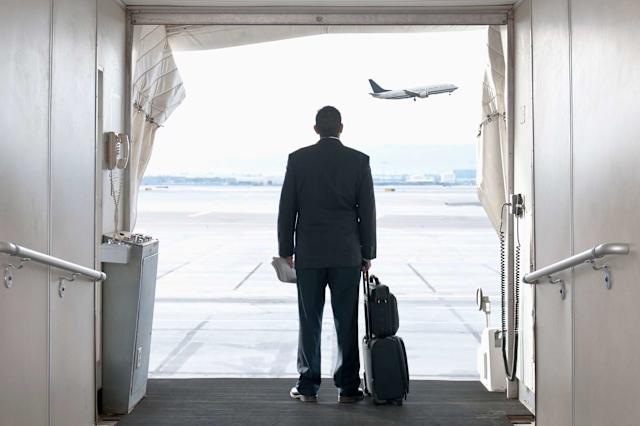
The emotional appeal also matters significantly. Unlike airports, which often create stress and sensory overload, luxury train stations and onboard environments cultivate calmness, intimacy, and anticipation. As a result, rail journeys increasingly represent a lifestyle statement associated with refinement and experiential sophistication.
The Most Iconic Luxury Train Journeys in the World
Venice Simplon-Orient-Express (Europe)
The Venice Simplon-Orient-Express remains the most recognizable luxury train in the world. Operated under the Belmond portfolio, the train combines restored 1920s Art Deco carriages with contemporary hospitality standards. Travelers journey through cities such as Paris, Venice, Vienna, and Istanbul while experiencing old-world glamour rarely found in modern tourism.
Moreover, the train’s emphasis on elegance, formal dining, and cinematic interiors creates an atmosphere closer to a private members’ club than conventional travel. Guests often describe the experience as immersive theater blended with luxury hospitality.
Rocky Mountaineer (Canada)
The Rocky Mountaineer has become one of North America’s most prestigious rail experiences due to its panoramic routes through the Canadian Rockies. Unlike heritage-focused European trains, this journey emphasizes landscape immersion through glass-domed observation cars and daylight-only travel schedules.
Meanwhile, gourmet regional cuisine and storytelling-focused service enhance the emotional connection between travelers and the surrounding wilderness. Consequently, the Rocky Mountaineer appeals strongly to affluent travelers seeking nature-driven luxury experiences.
Maharajas’ Express (India)
India’s Maharajas’ Express delivers one of the world’s most opulent rail experiences. Inspired by royal Indian heritage, the train offers lavish interiors, private butler service, fine dining, and curated cultural itineraries across destinations such as Jaipur, Agra, and Varanasi.
Additionally, the experience blends palace-style luxury with deep historical immersion. Travelers encounter UNESCO heritage sites, royal architecture, and local traditions while maintaining extraordinary comfort throughout the journey.
Blue Train (South Africa)
The Blue Train remains an icon of African luxury tourism. Connecting Pretoria and Cape Town, the experience combines dramatic landscapes with refined hospitality. In contrast to safari-focused tourism, the Blue Train emphasizes sophistication, relaxation, and scenic elegance.
Moreover, onboard suites rival luxury hotel accommodations, while curated wine programs showcase South Africa’s globally respected vineyards.
Belmond Royal Scotsman (Scotland)
The Belmond Royal Scotsman offers one of the most intimate luxury rail experiences in Europe. With limited passenger capacity, the train focuses heavily on exclusivity and personalized service while traveling through Scotland’s Highlands.
Meanwhile, onboard spa facilities, whisky tastings, and castle excursions reinforce the connection between heritage tourism and contemporary luxury travel.
Eastern & Oriental Express (Southeast Asia)
The Eastern & Oriental Express redefines luxury rail travel in Southeast Asia through routes connecting Singapore, Malaysia, and Thailand. Rich interiors inspired by colonial-era design blend with tropical landscapes and cultural immersion.
Consequently, the train appeals to travelers seeking experiential luxury beyond traditional European rail routes.
| Train Journey | Region | Signature Experience | Luxury Highlight | Traveler Appeal |
|---|---|---|---|---|
| Venice Simplon-Orient-Express | Europe | Historic glamour | Art Deco suites | Heritage luxury |
| Rocky Mountaineer | Canada | Scenic mountain immersion | Glass-domed coaches | Nature-focused travelers |
| Maharajas’ Express | India | Royal cultural exploration | Butler service | Heritage enthusiasts |
| Blue Train | South Africa | Luxury landscape travel | Elegant suites | Relaxed premium tourism |
| Belmond Royal Scotsman | Scotland | Intimate Highland journeys | Spa carriage | Exclusive travelers |
| Eastern & Oriental Express | Southeast Asia | Tropical rail storytelling | Colonial-inspired interiors | Cultural immersion |
What Defines a True Luxury Train Experience?
A genuine luxury train journey extends far beyond elegant cabins. Instead, it creates a fully integrated hospitality environment where every aspect of travel contributes to emotional and sensory immersion.
Private accommodations remain central to the experience. Many premium trains now offer suites with ensuite bathrooms, fine linens, personalized climate control, and dedicated attendants. Consequently, modern rail suites increasingly resemble boutique hotel rooms rather than traditional train compartments.
Dining also plays a defining role. Luxury trains frequently collaborate with renowned chefs to create destination-inspired menus paired with curated wines and regional ingredients. Moreover, formal dining rituals reinforce the sense of occasion associated with luxury rail travel.
Core elements of true luxury rail experiences include:
- Personalized concierge-style service
- Gourmet multi-course dining
- Panoramic observation lounges
- Curated off-train cultural excursions
- Wellness and relaxation amenities
Meanwhile, the pacing of rail travel itself contributes significantly to the perception of luxury. Unlike flights that prioritize efficiency, trains encourage observation, conversation, and reflection. Therefore, time becomes part of the product rather than an obstacle to overcome.
The Rise of Slow Travel Luxury Culture
Luxury train journeys sit at the center of the growing slow travel movement. Increasingly, affluent travelers want experiences that feel restorative rather than exhausting. As a result, rail travel has become closely associated with wellness-oriented tourism and mindful exploration.
Moreover, travelers are becoming less destination-obsessed. Instead of measuring vacations through the number of countries visited, many now value emotional depth, cultural engagement, and sensory richness. Luxury trains therefore benefit from a tourism shift focused on journey quality rather than itinerary quantity.
This transformation reflects several broader cultural dynamics:
- Digital fatigue and desire for disconnection
- Increased interest in scenic storytelling
- Preference for immersive cultural experiences
- Growing appreciation for intentional travel pacing
Meanwhile, luxury rail operators increasingly market journeys as transformative lifestyle experiences instead of transportation products. Consequently, trains now occupy a unique position between hospitality, entertainment, and tourism.
The psychological appeal is powerful. Watching landscapes unfold gradually creates a sense of continuity often missing from air travel. Therefore, luxury trains satisfy emotional needs linked to calmness, nostalgia, and personal reflection.
Technology and Modern Comfort in Luxury Trains
Despite their heritage aesthetics, modern luxury trains incorporate advanced technology designed to enhance comfort and personalization. Consequently, contemporary rail experiences successfully combine historical elegance with modern expectations.
Many operators now feature upgraded climate systems, advanced suspension engineering, high-speed onboard connectivity, and digitally integrated concierge services. Moreover, booking systems increasingly use traveler preference data to personalize dining, excursions, and suite configurations.
Sustainability innovation is also becoming a major investment priority. Compared with private aviation and long-haul flights, rail travel often produces lower environmental impact. Therefore, luxury train brands increasingly position themselves within environmentally conscious premium tourism strategies.
Modern enhancements include:
- Smart cabin personalization systems
- Improved onboard Wi-Fi connectivity
- Sustainable engineering upgrades
- Digitally curated travel itineraries
- Enhanced noise reduction technologies
Meanwhile, design philosophy remains deeply rooted in heritage storytelling. Operators intentionally preserve historical craftsmanship while discreetly integrating modern functionality. As a result, luxury trains maintain authenticity without sacrificing comfort.
| Travel Mode | Experience Level | Comfort Factor | Time Efficiency | Luxury Perception |
|---|---|---|---|---|
| Luxury Train | Highly immersive | Exceptional | Moderate | Extremely high |
| First-Class Flight | Limited immersion | High | Very high | Premium efficiency |
| Luxury Cruise | Immersive | Exceptional | Slow | Resort-style luxury |
| Private Jet | Exclusive | Very high | Maximum | Ultra-elite convenience |
Why Affluent Travelers Choose Rail Over Air in Certain Journeys?
For many affluent travelers, luxury train journeys provide emotional benefits that air travel cannot replicate. While aviation excels in speed, rail travel offers atmosphere, continuity, and sensory immersion. Consequently, trains increasingly attract travelers seeking experiences that feel emotionally enriching rather than purely functional.
Privacy remains a major factor. Luxury trains typically host limited passenger numbers, creating intimate social environments with highly personalized service. Moreover, boarding processes feel dramatically less stressful than airports, which often involve crowds, security delays, and logistical fatigue.
Rail travel also carries strong lifestyle symbolism. In contrast to fast-paced aviation culture, luxury trains communicate sophistication, patience, and intentional living. Therefore, choosing rail becomes part of personal identity and social signaling within affluent travel culture.
Key motivations include:
- Stress-free boarding experiences
- Scenic immersion unavailable in aviation
- Higher levels of personalization
- Curated social atmosphere
- Prestige associated with heritage travel
Meanwhile, luxury rail journeys encourage travelers to reconnect with physical geography. Watching mountains, forests, villages, and coastlines unfold gradually creates a more emotionally resonant relationship with destinations.
The Future of Luxury Train Journeys in 2026 and Beyond
The future of luxury train journeys appears exceptionally strong as global tourism increasingly emphasizes sustainability, personalization, and immersive hospitality. Consequently, several major operators are already expanding routes and investing in upgraded onboard experiences.
Private charter train experiences are expected to grow significantly among ultra-high-net-worth travelers. These bespoke itineraries may include customized culinary programs, private entertainment, and exclusive destination access. Meanwhile, luxury hospitality brands continue exploring partnerships with rail companies to create integrated tourism ecosystems.
Artificial intelligence will also influence the sector. Personalized itinerary recommendations, predictive hospitality services, and data-driven guest customization are likely to become standard features in premium rail travel.
Future developments may include:
- Expansion of cross-border luxury routes
- Increased sustainability integration
- Wellness-focused onboard experiences
- AI-powered personalization systems
- Luxury hospitality brand collaborations
Nevertheless, the core appeal of luxury rail travel will remain timeless: the ability to transform movement itself into a meaningful experience.
Unique Insight: Why Luxury Train Journeys Reflect the Future of Travel
The rise of luxury train journeys reveals a broader transformation within global affluent travel behavior. Increasingly, travelers prioritize emotional richness, narrative depth, and experiential immersion over pure convenience.
Moreover, luxury itself is evolving. Historically, premium travel focused heavily on exclusivity, speed, and visible status. In contrast, modern luxury increasingly values authenticity, intentionality, and personal connection. Therefore, luxury trains perfectly align with contemporary definitions of aspirational travel.
Heritage storytelling also plays a critical role. Trains such as the Venice Simplon-Orient-Express and the Maharajas’ Express succeed because they transform transportation into cultural theater. Consequently, passengers become participants in curated narratives rather than passive tourists.
Sustainability further strengthens the appeal of luxury rail tourism. As environmentally conscious behavior influences affluent consumers, trains offer a compelling alternative to carbon-intensive travel models. Meanwhile, the hospitality industry increasingly recognizes that future luxury mobility will blend transportation, accommodation, dining, and entertainment into unified ecosystems.
Ultimately, luxury trains are no longer merely vehicles. They are moving five-star hotels designed around time, atmosphere, storytelling, and human experience rather than speed alone.
FAQs
What are the best luxury train journeys in 2026?
The top luxury train journeys include the Venice Simplon-Orient-Express, Rocky Mountaineer, Maharajas’ Express, Blue Train, Belmond Royal Scotsman, and Eastern & Oriental Express.
Why are luxury train journeys becoming popular?
Luxury train journeys align with slow travel trends, immersive tourism preferences, sustainability awareness, and demand for experiential hospitality.
Which is the most famous luxury train in the world?
The Venice Simplon-Orient-Express is widely considered the most famous luxury train due to its heritage, glamour, and iconic European routes.
How much do luxury train journeys cost?
Prices vary significantly depending on route and suite category. Many luxury journeys range from several thousand to tens of thousands of dollars per traveler.
Are luxury trains better than flights for travel?
For scenic and experiential travel, luxury trains offer greater immersion, comfort, and relaxation. However, flights remain superior for speed and long-distance efficiency.
What is included in luxury train travel?
Most luxury train journeys include accommodations, gourmet dining, beverages, curated excursions, and personalized onboard service.
Which countries offer luxury train experiences?
Countries known for luxury rail travel include India, Canada, Scotland, South Africa, Thailand, Malaysia, France, Italy, and Switzerland.
Is luxury train travel sustainable?
Rail travel generally produces lower environmental impact compared with aviation, making luxury trains increasingly attractive for sustainability-conscious travelers.
What makes a train journey luxurious?
Key features include private suites, gourmet dining, scenic observation cars, personalized service, curated experiences, and premium design aesthetics.
What is the future of luxury rail travel?
The future includes AI personalization, expanded routes, sustainable innovation, wellness integration, and increasingly immersive hospitality ecosystems.