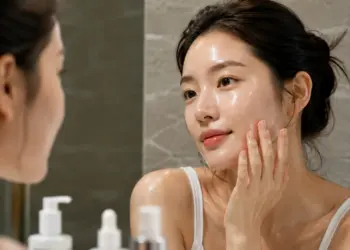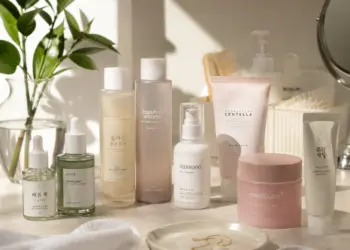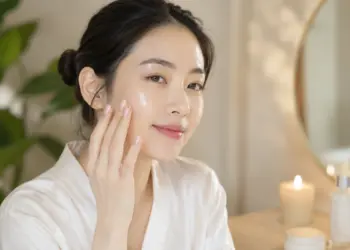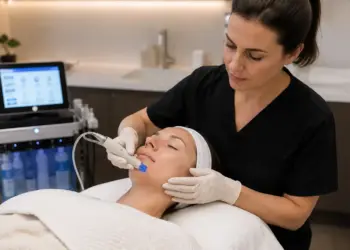

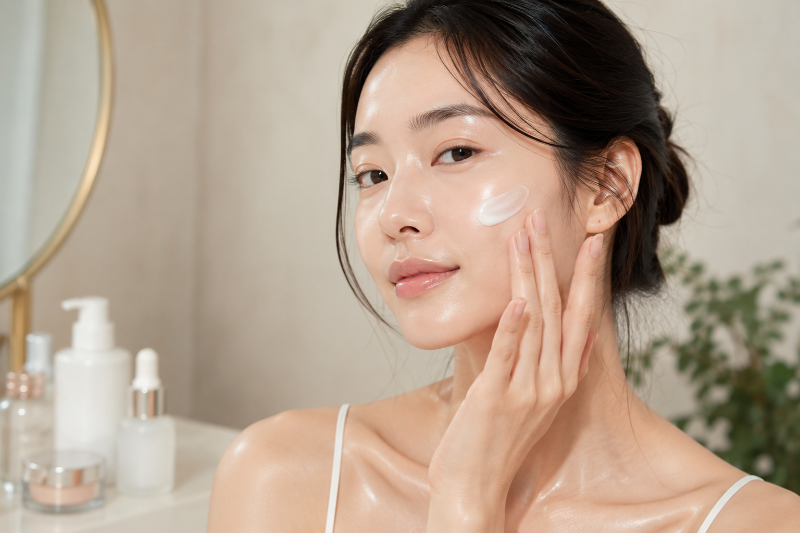

The glass skin trend continues dominating global beauty culture in 2026, although its meaning evolved far beyond its original K-beauty roots. What once represented a niche Korean skincare aesthetic now functions as a worldwide beauty standard associated with wellness, discipline, luxury skincare, and naturally radiant skin quality. Across luxury beauty markets, affluent consumers increasingly prioritize hydrated, luminous, and healthy-looking skin over heavy makeup coverage or dramatic cosmetic transformation.
Moreover, the growing influence of skincare first beauty culture fundamentally changed how consumers define attractiveness. Instead of focusing primarily on contouring, full coverage foundation, or highly edited glam aesthetics, modern beauty trends increasingly celebrate smooth texture, hydration, skin barrier health, and subtle radiance. Consequently, the glass skin trend remains culturally relevant because it aligns with broader consumer preferences for authenticity, wellness, and long-term skin quality.
Meanwhile, social media platforms continue amplifying dewy skin aesthetics through influencers, celebrities, dermatologists, and luxury beauty campaigns. TikTok skincare communities, Instagram beauty creators, and YouTube dermatology content collectively accelerated public interest in minimalist beauty routines and skin focused self care rituals. As a result, skincare products now occupy a central role within beauty identity and affluent lifestyle culture.
Additionally, luxury skincare brands increasingly position glass skin as a premium beauty benchmark connected to self investment and preventative wellness. High end facial treatments, medical grade skincare systems, personalized beauty consultations, and biotechnology driven ingredients all contribute to the expansion of the glass skin economy.
Therefore, the glass skin trend in 2026 reflects much more than temporary beauty hype. It represents a global transformation in how consumers approach skincare, aging, luxury beauty spending, and personal presentation.
Why the Glass Skin Trend Still Dominates Global Beauty?
The glass skin trend remains dominant because it reflects long term cultural shifts rather than short lived cosmetic fashion cycles. K-beauty introduced the concept of deeply hydrated, luminous skin to international audiences years ago; however, consumers worldwide gradually embraced its broader philosophy centered around prevention, consistency, and skin health. Consequently, glass skin evolved into a universal beauty aspiration rather than a regional skincare trend.
Moreover, consumers increasingly prefer natural radiance over heavy makeup coverage. Many beauty enthusiasts now view visible skin texture, healthy glow, and balanced hydration as more sophisticated than overly matte or heavily filtered complexions. In contrast to earlier beauty eras dominated by dramatic contouring and cosmetic transformation, modern aesthetics emphasize enhancement instead of concealment.
Several factors continue driving the trend globally:
- Social media amplification of dewy skin aesthetics
- Increased awareness of skin barrier health
- Celebrity adoption of minimalist beauty routines
- Growth of preventative skincare culture
- Expansion of premium skincare markets
Meanwhile, beauty standards themselves became more wellness oriented. Consumers now associate glowing skin with sleep quality, hydration, nutrition, stress management, and overall self care discipline. As a result, the glass skin trend resonates emotionally because it symbolizes vitality and healthy living rather than superficial perfection.
Additionally, luxury beauty brands recognize that skincare generates stronger long term consumer loyalty than seasonal makeup trends. Therefore, many companies continue investing heavily in hydration-focused serums, barrier repair products, and glow enhancing skincare systems.
The Science Behind Glass Skin and Skin Hydration
Although the glass skin trend appears highly aesthetic, its foundation relies heavily on skin science and dermatological principles. Healthy skin reflects light more effectively because hydrated, smooth skin surfaces create greater luminosity and clarity. Consequently, achieving glass skin typically requires consistent hydration, barrier support, and texture refinement rather than cosmetic shortcuts alone.
Moreover, modern skincare science increasingly emphasizes skin barrier health. The skin barrier protects against moisture loss, environmental damage, and irritation. When this barrier functions efficiently, skin appears plumper, calmer, and more radiant. In contrast, dehydrated or compromised skin often looks dull, uneven, or textured.
Several skincare components play essential roles in achieving glass skin:
- Humectants such as hyaluronic acid attract moisture
- Ceramides strengthen the skin barrier
- Gentle exfoliation improves texture clarity
- Lightweight hydration layering boosts radiance
- Antioxidants protect against environmental stress
Meanwhile, dermatologists increasingly recommend hydration layering techniques popularized through K-beauty routines. Instead of relying on a single heavy moisturizer, consumers apply multiple lightweight layers including essences, toners, serums, and moisturizers to maintain consistent hydration throughout the day.
Additionally, skincare technology improved dramatically in recent years. Biotechnology ingredients, peptide complexes, microbiome supporting formulas, and advanced hydration systems now allow consumers to target glow and skin resilience with greater precision.
Table 1
| Skincare Step | Purpose | Skin Benefit | Product Type | Glass Skin Effect |
|---|---|---|---|---|
| Gentle Cleansing | Remove impurities | Balanced skin barrier | Low-pH cleanser | Smooth texture |
| Hydrating Toner | Restore moisture | Increased hydration | Essence toner | Dewy appearance |
| Serum Layering | Deliver active ingredients | Glow enhancement | Hyaluronic serum | Radiant finish |
| Moisturizer | Lock in hydration | Barrier support | Lightweight cream | Plump skin texture |
| SPF Protection | Prevent damage | Long-term skin health | Sunscreen | Maintained clarity |
Luxury Skincare and the Glass Skin Economy
Luxury skincare brands increasingly transformed the glass skin trend into a premium wellness category. Affluent consumers now spend heavily on advanced skincare formulations, luxury facials, and dermatologist supported treatments designed to create visibly hydrated and refined skin.
Moreover, celebrity beauty culture accelerated demand for high end skincare experiences. Public figures frequently share minimalist beauty routines emphasizing hydration, facials, LED therapy, and preventative treatments instead of dramatic makeup transformations. Consequently, glass skin became associated with sophisticated self maintenance rather than temporary cosmetic enhancement.
Several factors define the luxury glass skin economy:
- Premium K-beauty skincare brands
- Medical grade hydration treatments
- Luxury facial spa experiences
- Advanced anti aging serums
- Wellness focused beauty routines
Meanwhile, affluent consumers increasingly prioritize long term skin investment over short term cosmetic trends. High income beauty buyers often seek dermatologist backed products capable of improving texture, elasticity, and hydration gradually over time.
Additionally, luxury wellness resorts and aesthetic clinics now integrate skincare treatments into broader wellness ecosystems. Facials, lymphatic massage, hydration therapy, sleep optimization, and nutrition consultations frequently function together within luxury beauty experiences.
Therefore, glass skin evolved into a symbol of disciplined self care, financial investment, and holistic wellness culture.
K-Beauty’s Global Influence on Modern Beauty Standards
K-beauty remains one of the most influential forces shaping modern skincare standards worldwide. Korean beauty philosophy introduced consumers to preventative skincare routines years before Western markets widely embraced hydration-focused beauty strategies.
Moreover, K-beauty brands revolutionized skincare innovation through lightweight textures, ingredient experimentation, and layering techniques. Sheet masks, essences, sleeping masks, and ampoules all gained international popularity because consumers increasingly preferred gentle hydration over aggressive cosmetic correction.
Key K-beauty influences include:
- Multi step skincare routines
- Essence and serum layering
- Sheet mask culture
- Preventative skincare philosophy
- Daily hydration prioritization
Meanwhile, Korean beauty culture consistently emphasized skin quality rather than heavy makeup concealment. This philosophy strongly influenced global minimalist beauty trends now dominating social media and luxury skincare marketing.
Additionally, K-beauty innovation accelerated ingredient transparency and skincare education. Consumers today possess far greater awareness regarding ceramides, peptides, niacinamide, and hydration science because Korean skincare brands normalized ingredient-focused beauty conversations.
Consequently, K-beauty’s global influence extends beyond products alone. It fundamentally reshaped how consumers understand skincare routines, aging prevention, and beauty maintenance.
Table 2
| Era | Beauty Ideal | Dominant Trend | Consumer Focus | Industry Shift |
| Early 2000s | Matte perfection | Full-coverage makeup | Concealment | Color cosmetics dominance |
| 2010s | Sculpted glam | Contouring culture | Transformation | Influencer makeup boom |
| Early 2020s | Natural glow | Minimal makeup | Skin health | Skincare-first beauty |
| 2026 | Glass skin radiance | Hydrated luminosity | Prevention and wellness | Luxury skincare expansion |
Minimalist Beauty and the Rise of Natural Radiance
Minimalist beauty aesthetics significantly contributed to the continued popularity of the glass skin trend. Consumers increasingly embrace subtle enhancement because natural looking skin often appears more refined, youthful, and effortless than heavy cosmetic layering.
Moreover, the “no-makeup makeup” movement evolved into broader skin first beauty culture. Instead of relying on thick foundations or dramatic contouring, many consumers now prioritize skincare routines capable of creating healthy skin that requires minimal cosmetic correction.
Several trends support minimalist beauty growth:
- Dewy skin preference over matte finishes
- Lightweight complexion products
- Skin focused influencer routines
- Authenticity centered beauty culture
- Understated luxury aesthetics
Meanwhile, social media beauty culture paradoxically accelerated interest in authenticity. Although digital platforms encourage visual perfection, audiences increasingly reject overly filtered or unrealistic beauty standards. Consequently, visible skin quality and healthy texture now carry greater aspirational value.
Additionally, minimalist beauty aligns naturally with modern luxury aesthetics. Quiet luxury fashion, understated grooming, and effortless wellness culture collectively reinforce the appeal of polished but subtle beauty presentation.
Therefore, natural radiance increasingly functions as a sophisticated beauty ideal associated with confidence and refinement.
Why Affluent Consumers Invest Heavily in Glass Skin Routines?
Affluent consumers increasingly treat skincare as a long term wellness investment rather than occasional cosmetic spending. Many high income buyers prioritize preventative skincare because maintaining healthy skin often appears more desirable than attempting dramatic correction later.
Moreover, luxury beauty consumers frequently associate glowing skin with discipline, lifestyle quality, and overall wellness. Consequently, skincare routines now extend beyond vanity into broader self optimization culture connected to sleep, nutrition, fitness, stress management, and aging prevention.
Several psychological drivers influence luxury skincare spending:
- Anti aging prevention priorities
- Wellness oriented beauty habits
- Dermatologist backed treatment trust
- Long term skin quality investment
- Emotional confidence connected to appearance
Meanwhile, social visibility also influences affluent beauty behavior. Professionals, creators, entrepreneurs, and public facing individuals increasingly value healthy skin because polished appearance contributes to confidence and personal branding.
Additionally, luxury skincare products often promise personalization, exclusivity, and advanced ingredient technology. Consumers therefore perceive premium skincare as both functional and aspirational.
As a result, glass skin routines increasingly symbolize discipline, self care sophistication, and preventative wellness culture.
Technology and Innovation in Glass Skin Skincare
Technology continues transforming skincare personalization and treatment precision in 2026. AI powered skin analysis tools now evaluate hydration levels, texture concerns, pigmentation patterns, and barrier function through smartphone imaging systems.
Moreover, beauty brands increasingly use personalized data to create customized skincare formulations tailored to individual skin conditions and environmental factors. Consequently, skincare routines feel more scientifically targeted and efficient.
Several innovations currently shaping glass skin skincare include:
- AI skin diagnostics
- Personalized skincare formulations
- Biotechnology driven ingredients
- LED facial therapy devices
- Smart hydration monitoring systems
Meanwhile, at home professional skincare devices became increasingly sophisticated. Consumers now access microcurrent technology, LED therapy masks, ultrasonic cleansing systems, and advanced hydration tools previously limited to dermatology clinics.
Additionally, biotech ingredients continue improving skincare efficacy. Lab developed peptides, microbiome supporting compounds, and advanced hydration molecules allow brands to create products targeting glow, resilience, and anti aging simultaneously.
Therefore, technology increasingly merges luxury skincare with precision wellness and scientific optimization.
The Future of Glass Skin in 2026 and Beyond
The future of the glass skin trend will likely revolve around personalization, sustainability, and longevity focused skincare culture. Consumers increasingly seek individualized skincare systems capable of adapting to genetics, lifestyle behavior, climate exposure, and aging patterns.
Moreover, AI driven beauty ecosystems may soon automate skincare recommendations in real time. Smart mirrors, wearable skin sensors, and predictive beauty platforms could monitor hydration levels and environmental stress continuously.
Several future developments appear highly likely:
- Hyper personalized skincare routines
- Sustainable packaging innovation
- Dermatology luxury beauty integration
- AI powered skincare coaching
- Longevity focused anti aging treatments
Meanwhile, sustainability pressures continue reshaping beauty manufacturing practices. Consumers increasingly demand ingredient transparency, eco conscious packaging, ethical sourcing, and refillable skincare systems.
Additionally, future beauty standards may prioritize skin resilience and long term health over temporary cosmetic perfection. Consequently, preventative skincare and wellness integration will likely dominate premium beauty markets for years ahead.
Therefore, the glass skin trend appears positioned to evolve into an enduring beauty philosophy rather than fading as a temporary aesthetic movement.
Read also: Luxury Skincare Is Replacing Heavy Makeup
Unique Insight: Glass Skin Reflects a New Global Beauty Philosophy
The glass skin trend reflects much deeper transformations occurring across global beauty culture. Consumers increasingly prioritize enhancement of natural skin quality instead of concealment through heavy cosmetic products.
Moreover, healthy skin now functions as a modern status symbol associated with discipline, wellness, sleep quality, nutrition, and luxury self care investment. Consequently, affluent consumers increasingly spend more on skincare systems than on makeup collections.
Meanwhile, luxury skincare continues replacing heavy cosmetics as the center of beauty culture. Consumers now value prevention, maintenance, and skin resilience because long-term skin quality carries greater emotional and aesthetic value.
Additionally, personalization increasingly shapes future beauty expectations. Consumers want skincare routines tailored specifically to their biology, environment, and lifestyle rather than generic mass market solutions.
As a result, future beauty markets may compete primarily through personalization technology, scientific credibility, and wellness integration instead of traditional cosmetic marketing alone.
Ultimately, the glass skin trend is no longer simply a passing beauty aesthetic. It represents a global beauty standard rooted in wellness, luxury skincare, preventative care, and minimalist sophistication.
FAQs
What is the glass skin trend?
The glass skin trend refers to extremely hydrated, smooth, luminous skin that appears naturally radiant and reflective.
Why is glass skin so popular in 2026?
Consumers increasingly prioritize skincare, wellness, and natural beauty aesthetics over heavy makeup coverage.
How do you achieve glass skin?
Consistent hydration, gentle exfoliation, barrier repair, sunscreen use, and layered skincare routines help achieve glass skin.
Is glass skin a K-beauty trend?
Yes. The concept originated within Korean beauty culture before becoming a global skincare phenomenon.
What products help achieve glass skin?
Hydrating toners, hyaluronic acid serums, ceramide moisturizers, essences, and sunscreen commonly support glass skin routines.
Is glass skin suitable for all skin types?
Yes. However, routines should adapt according to skin sensitivity, oil production, and hydration needs.
Why is skincare replacing makeup?
Consumers increasingly value healthy skin quality and natural radiance rather than heavy cosmetic concealment.
What is the science behind glowing skin?
Hydrated, smooth skin reflects light more effectively, creating visible luminosity and healthy texture.
Are luxury skincare products necessary for glass skin?
Not always. Consistency, hydration, and proper skincare habits matter more than product price alone.
What is the future of glass skin trends?
Future trends will likely emphasize AI personalization, preventative skincare, sustainability, and longevity-focused beauty.