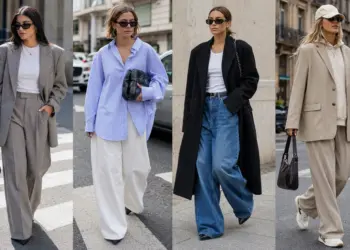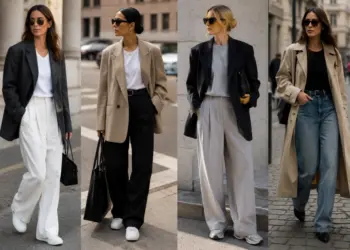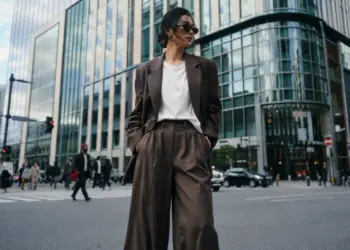

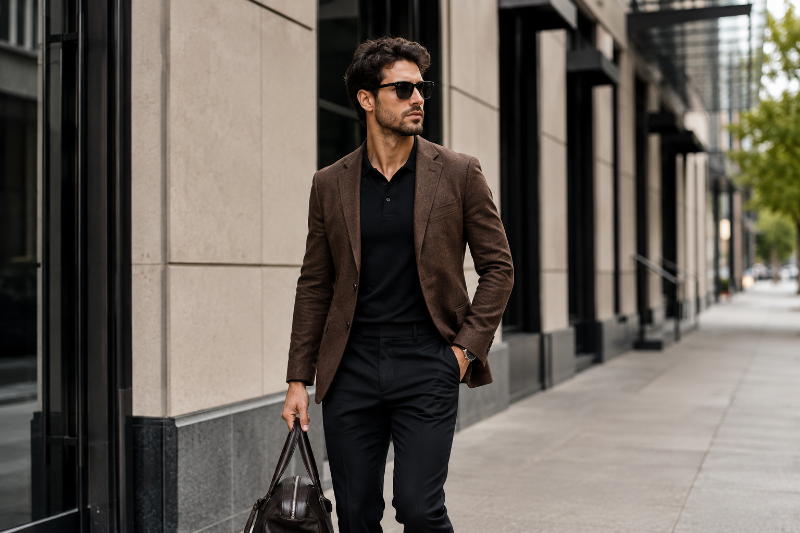

Men’s fashion trends in 2026 are evolving faster than at any point in modern style history. Social media platforms now function as the primary fashion authority for millions of consumers worldwide, while traditional gatekeepers such as print magazines, runway editors, and seasonal fashion calendars hold significantly less influence than they once did. TikTok, Instagram, YouTube, and Pinterest have transformed menswear into a real time digital ecosystem where trends emerge, spread globally, and disappear within weeks.
Moreover, modern menswear culture increasingly reflects broader shifts happening across identity, lifestyle branding, and digital consumer behavior. Younger audiences no longer separate grooming, fashion, wellness, and personal branding into isolated categories. Instead, they view style as part of a complete lifestyle narrative shaped through online visibility and social positioning. Consequently, men’s fashion trends now evolve through algorithms, influencer aesthetics, and creator-driven communities rather than solely through luxury fashion houses.
At the same time, affluent consumers continue investing heavily in premium menswear, although their purchasing motivations are changing. Many younger professionals prioritize understated sophistication, emotional confidence, and curated individuality over overt status dressing. Meanwhile, luxury brands increasingly adapt their strategies to compete within digital attention economies where short form content determines visibility and consumer engagement.
Social media also accelerated the overlap between fashion and self expression. For example, grooming culture, skincare routines, tailoring, and minimalist luxury aesthetics now coexist within mainstream masculine identity. As a result, fashion no longer functions merely as clothing selection. It operates as a communication tool tied to confidence, aspiration, and social influence.
Therefore, understanding men’s fashion trends in 2026 requires analyzing digital culture, luxury branding, modern masculinity, and rapidly evolving consumer psychology simultaneously.
Why Social Media Became the New Fashion Authority?
Social media became the dominant menswear authority because digital platforms democratized fashion inspiration. In previous decades, consumers depended heavily on fashion editors, celebrity stylists, and luxury publications to define style direction. However, algorithm driven platforms now expose users to thousands of fashion creators daily, allowing trends to emerge organically from global communities rather than centralized institutions.
Moreover, digital platforms dramatically increased accessibility to style experimentation. A user can discover Scandinavian tailoring aesthetics, Tokyo streetwear, Milanese quiet luxury, and New York sneaker culture within minutes. Consequently, consumers build highly personalized style identities influenced by multiple global fashion ecosystems simultaneously.
Several factors accelerated this transformation:
- Algorithm powered trend discovery
- Creator driven fashion communities
- Instant global style exposure
- Direct engagement between brands and audiences
- Real time trend amplification through viral content
Meanwhile, influencer culture reshaped trust dynamics in fashion consumption. Consumers increasingly trust relatable creators more than traditional advertising campaigns because influencer content appears authentic and emotionally accessible. As a result, fashion recommendations now feel conversational rather than institutional.
Additionally, the speed of digital communication fundamentally changed how men interact with fashion trends. Traditional seasonal collections once dictated menswear cycles for months. In contrast, social platforms now generate weekly aesthetic shifts, creating constant demand for visual reinvention and personal expression.
TikTok and Instagram Are Accelerating Men’s Fashion Trends
TikTok and Instagram remain the most influential platforms shaping men’s fashion trends in 2026. Their short form visual structure rewards immediate emotional impact, which makes fashion content highly effective within attention driven digital ecosystems. Consequently, outfit inspiration spreads globally at unprecedented speed.
TikTok particularly transformed fashion discovery through algorithmic exposure. Users frequently encounter creators outside their existing interests, allowing niche aesthetics to reach mainstream audiences rapidly. For example, quiet luxury tailoring, oversized minimalist silhouettes, vintage sportswear, and luxury workwear all gained mass popularity through short form styling videos.
Meanwhile, Instagram continues dominating aspirational menswear culture. Luxury brands, fashion influencers, athletes, musicians, and entrepreneurs curate highly polished visual identities that shape consumer expectations around style and lifestyle integration. Therefore, menswear increasingly revolves around storytelling rather than individual products.
Content formats driving fashion engagement include:
- “Get ready with me” styling videos
- Capsule wardrobe breakdowns
- Luxury accessory reviews
- Sneaker culture content
- Grooming and skincare integration
Consequently, trend cycles became significantly shorter. Viral aesthetics can dominate consumer attention for only a few weeks before audiences shift toward new visual inspirations. Nevertheless, this rapid cycle also benefits luxury brands capable of adapting quickly to digital culture.
Table 1
| Platform | Fashion Influence Style | Consumer Behavior Impact | Trend Speed | Luxury Brand Opportunity |
|---|---|---|---|---|
| TikTok | Viral short-form aesthetics | Impulse-driven purchases | Extremely fast | Creator partnerships |
| Aspirational visual branding | Lifestyle-based shopping | Fast | Luxury storytelling | |
| YouTube | Long-form fashion education | Informed purchasing | Moderate | Deep brand engagement |
| Curated style inspiration | Planned wardrobe building | Moderate | Evergreen style visibility |
Luxury Menswear Brands Are Adapting to Digital Culture
Luxury menswear houses increasingly recognize that digital visibility now determines cultural relevance. Consequently, many heritage brands redesigned their marketing strategies to compete within social first ecosystems dominated by creators, influencers, and viral engagement.
Moreover, luxury streetwear integration continues influencing premium fashion positioning. Brands once associated exclusively with formal tailoring now incorporate sneakers, relaxed silhouettes, and contemporary casualwear into their collections. This shift reflects changing consumer expectations around flexibility and modern masculinity.
Several strategies now dominate luxury menswear marketing:
- Influencer and athlete collaborations
- Social first campaign launches
- Limited digital exclusive collections
- Interactive community engagement
- Behind the scenes storytelling content
Meanwhile, luxury brands increasingly prioritize emotional branding over product centric advertising. Consumers respond more strongly to narratives connected to confidence, identity, creativity, and aspiration rather than traditional status symbolism alone.
Additionally, digital storytelling allows brands to maintain cultural relevance among younger affluent audiences. For example, fashion campaigns now integrate wellness, travel, architecture, music, and lifestyle content to create broader identity ecosystems surrounding menswear products.
Therefore, luxury fashion marketing evolved from exclusivity based messaging into community oriented digital engagement.
Modern Masculinity Is Changing Men’s Fashion
One of the most significant forces reshaping men’s fashion trends involves evolving perceptions of masculinity. Traditional expectations surrounding male appearance became increasingly flexible, allowing broader acceptance of self expression, grooming, and emotionally driven style choices.
Moreover, younger men now view personal style as an extension of confidence and individuality rather than vanity. Consequently, skincare routines, jewelry, tailoring, fragrance culture, and grooming conversations entered mainstream masculine identity without significant stigma.
Several cultural shifts define modern menswear behavior:
- Greater acceptance of self expression
- Increased focus on grooming and skincare
- Gender fluid styling experimentation
- Emotional identity through clothing
- Confidence oriented dressing culture
Meanwhile, fashion aesthetics themselves became more fluid. Oversized tailoring, relaxed silhouettes, pearl accessories, softer color palettes, and minimalist luxury styling now coexist comfortably within mainstream menswear culture.
In contrast to previous decades, modern masculine style emphasizes versatility and authenticity over rigid dress codes. Therefore, consumers increasingly prioritize clothing that reflects mood, personality, and lifestyle rather than social conformity.
Table 2
| Fashion Era | Men’s Style Identity | Media Influence | Consumer Mindset | Industry Effect |
|---|---|---|---|---|
| Early 2000s | Traditional masculinity | Print magazines | Brand status | Seasonal cycles |
| 2010s | Streetwear dominance | Hype culture | Limited drops | |
| 2020s | Digital self-expression | TikTok and creators | Identity-driven fashion | Constant microtrends |
| 2026 | Hybrid luxury minimalism | Multi-platform ecosystems | Personal branding | Personalized commerce |
Why Younger Men Spend More on Fashion and Grooming?
Younger consumers increasingly allocate higher portions of disposable income toward fashion and grooming because digital lifestyles intensified visual self awareness. Social platforms constantly expose users to curated aesthetics, aspirational lifestyles, and influencer driven standards of presentation.
Consequently, personal appearance became closely connected to professional networking, dating culture, entrepreneurship, and online visibility. Many younger men therefore view fashion spending as an investment in social capital and confidence rather than simple consumption.
Several behavioral trends support this shift:
- Aspirational influencer lifestyles
- Premium sneaker culture
- Luxury accessory demand
- Personal branding psychology
- Social validation through aesthetics
Meanwhile, affluent consumers increasingly pursue subtle indicators of sophistication instead of overt status branding. Quiet luxury menswear, refined tailoring, premium fabrics, and minimalist accessories often communicate exclusivity more effectively than logo heavy fashion.
Additionally, social media normalized daily outfit documentation and lifestyle presentation. As a result, consumers feel stronger pressure to maintain visually polished identities across digital platforms.
Therefore, fashion spending now reflects broader economic and psychological changes connected to online culture and identity performance.
Technology and AI Are Transforming Fashion Discovery
Technology increasingly shapes how consumers discover, evaluate, and purchase menswear products. AI driven algorithms now personalize shopping recommendations based on browsing patterns, lifestyle preferences, and aesthetic interests.
Moreover, virtual styling tools simplify fashion experimentation. Consumers can preview outfits digitally, receive automated wardrobe suggestions, and explore styling combinations before making purchases. Consequently, online shopping experiences feel increasingly customized and efficient.
Key innovations transforming fashion discovery include:
- AI-powered styling assistants
- Personalized recommendation systems
- Virtual try on technology
- Creator commerce integration
- Predictive shopping algorithms
Meanwhile, luxury brands increasingly use customer data to enhance personalization. Predictive retail systems now recommend products based on climate, travel schedules, purchasing history, and social engagement behavior.
Additionally, creator commerce ecosystems allow influencers to monetize curated fashion recommendations directly. This integration shortens the path between inspiration and purchase, making social media both a discovery platform and a retail engine simultaneously.
Therefore, technology continues accelerating the convergence between fashion, personalization, and digital convenience.
The Rise of Quiet Luxury and Minimalist Menswear
One of the defining men’s fashion trends in 2026 involves the expansion of quiet luxury aesthetics. Unlike earlier eras dominated by visible logos and hype driven streetwear, modern affluent consumers increasingly prefer understated sophistication and timeless styling.
Moreover, social media unexpectedly accelerated minimalist menswear despite its association with subtlety. Platforms like TikTok and Instagram popularized capsule wardrobes, neutral tailoring, premium basics, and old-money-inspired aesthetics through highly curated visual storytelling.
Core elements of quiet luxury menswear include:
- Tailored minimalist silhouettes
- Premium fabric quality
- Neutral color palettes
- Timeless footwear design
- Discreet luxury branding
Meanwhile, consumers increasingly prioritize versatility and longevity over rapid trend participation. Consequently, many affluent buyers invest in fewer but higher quality garments capable of functioning across multiple settings.
In contrast to flashy branding culture, quiet luxury communicates sophistication through restraint and craftsmanship. Therefore, understated elegance increasingly functions as a modern status signal within digitally saturated fashion environments.
The Future of Men’s Fashion Trends Beyond 2026
The future of men’s fashion trends will likely revolve around deeper personalization, AI integration, and lifestyle ecosystem branding. Fashion companies increasingly compete not only through products but also through digital experiences, creator relationships, and emotional engagement.
Moreover, creator owned fashion brands will continue expanding. Influencers and digital personalities already possess loyal communities capable of supporting direct to consumer menswear labels with highly targeted audiences.
Several future developments appear likely:
- AI-generated styling ecosystems
- Hyper personalized retail experiences
- Sustainable luxury production pressures
- Digital identity based fashion communities
- Greater integration between fashion and technology
Meanwhile, sustainability expectations will increasingly influence menswear production decisions. Consumers now demand ethical sourcing, transparent manufacturing, and long lasting garment quality alongside aesthetic appeal.
Additionally, digital identity culture may eventually reduce the importance of traditional seasonal collections altogether. Instead, fashion ecosystems could evolve toward continuous personalization shaped by algorithms and individual lifestyle behavior.
Therefore, the future of menswear likely prioritizes flexibility, personalization, and identity expression over rigid industry structures.
Read also: Why Quiet Luxury Is Dominating Fashion
Unique Insight: Men’s Fashion as Digital Identity Infrastructure
Men’s fashion trends increasingly reflect deeper transformations occurring across digital identity culture. Social media turned clothing into a daily communication system through which consumers express ambition, taste, confidence, and lifestyle alignment.
Moreover, modern masculinity now incorporates aesthetics, grooming, emotional presentation, and personal branding as normalized components of self development. Consequently, fashion evolved beyond niche enthusiasm into mainstream identity management.
Affluent consumers particularly view style as social capital within highly visible digital environments. Luxury fashion brands therefore compete not only against other labels but also against the endless stream of online content fighting for audience attention.
Meanwhile, personalization became more valuable than mass trend participation. Consumers increasingly seek wardrobes that communicate individuality rather than strict adherence to seasonal fashion movements.
As a result, the future of menswear may depend less on traditional runway prestige and more on ecosystem integration involving technology, digital identity, personalization, grooming culture, and lifestyle storytelling simultaneously.
Ultimately, social media transformed men’s fashion from occasional consumption into an everyday cultural infrastructure tied directly to confidence, aspiration, and modern identity.
FAQs
How is social media changing men’s fashion?
Social media accelerates trend discovery, increases style accessibility, and allows influencers to shape global menswear culture in real time.
Why is TikTok influencing menswear trends?
TikTok’s algorithm rapidly exposes users to viral fashion aesthetics, making trends spread globally within days or weeks.
What are the biggest men’s fashion trends in 2026?
Quiet luxury, oversized tailoring, minimalist wardrobes, premium sneakers, and grooming-focused style culture dominate 2026 menswear.
How do influencers impact fashion buying decisions?
Influencers create relatable style inspiration that feels more authentic and emotionally engaging than traditional advertising.
Why are younger men spending more on fashion?
Digital lifestyles increased image consciousness, personal branding awareness, and social validation connected to appearance.
What is quiet luxury menswear?
Quiet luxury emphasizes understated sophistication, premium materials, timeless tailoring, and minimal visible branding.
How are luxury brands adapting to social media?
Luxury brands use influencer partnerships, short-form content, community engagement, and digital storytelling strategies.
Is social media making fashion trends faster?
Yes. Viral content dramatically shortened trend cycles, creating constant aesthetic evolution across digital platforms.
How is technology changing fashion discovery?
AI recommendations, virtual try-ons, and personalized shopping systems now shape how consumers discover menswear.
What is the future of men’s fashion trends?
The future likely includes AI-driven personalization, creator-owned brands, sustainable production, and identity-focused fashion ecosystems.