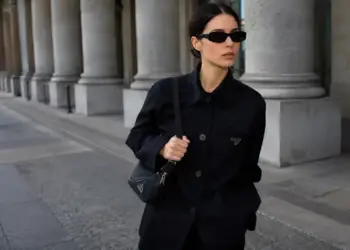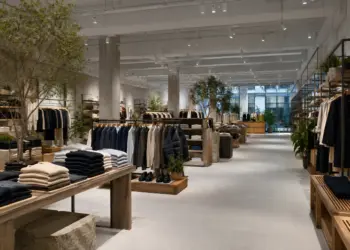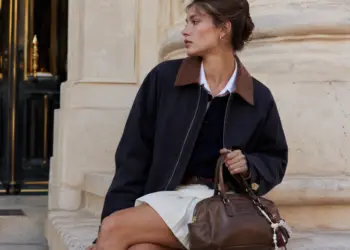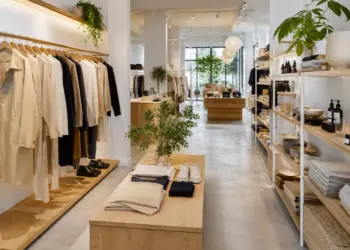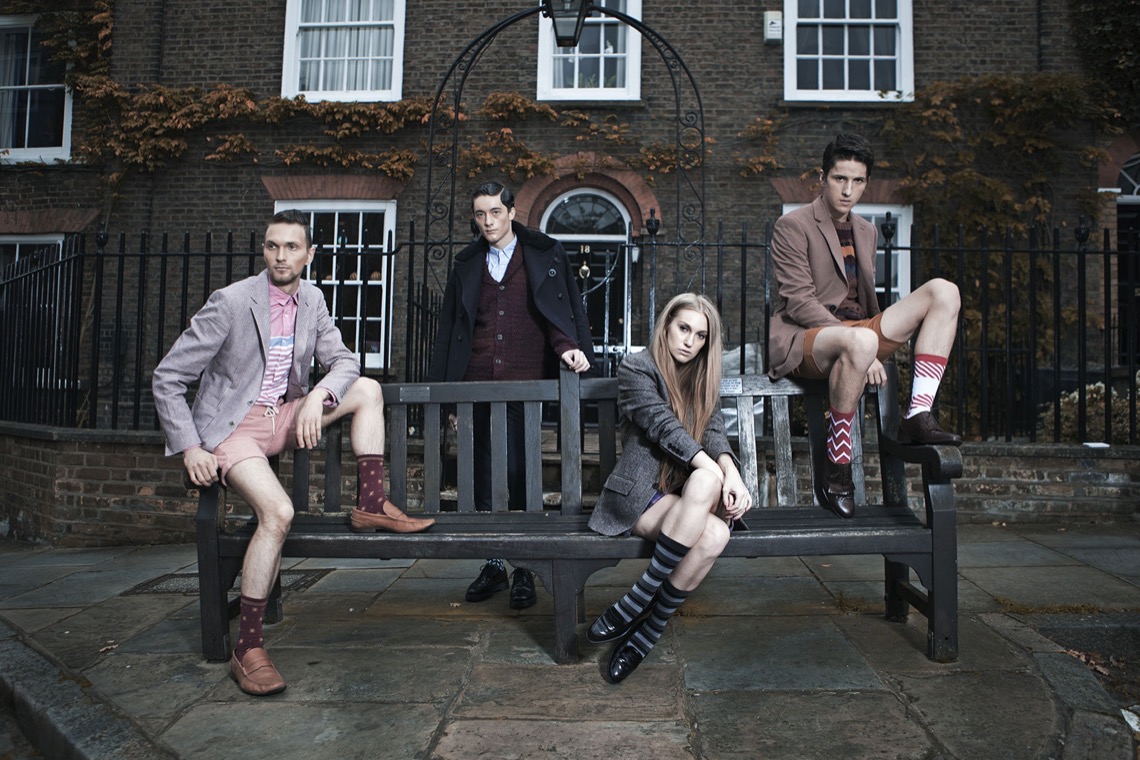
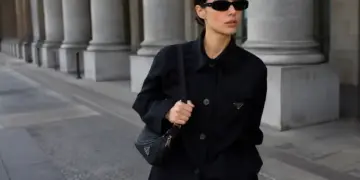
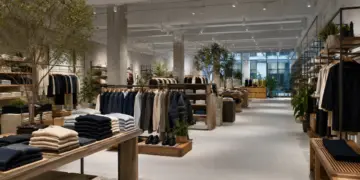
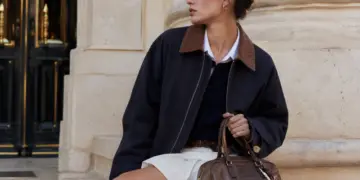
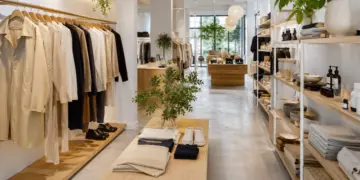
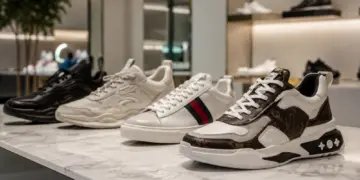
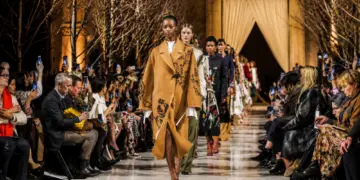
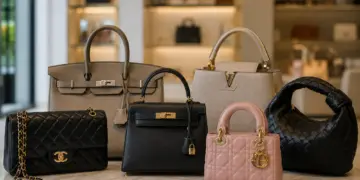

In 2026, quiet luxury fashion has evolved from a niche aesthetic into the defining language of modern luxury culture. Across global fashion capitals, affluent consumers increasingly favor understated tailoring, refined fabrics, and discreet elegance over logo-heavy statements and overt displays of wealth. Consequently, luxury wardrobes now communicate sophistication through restraint rather than visibility. The shift reflects far more than a passing trend. Instead, it signals a broader cultural transformation in how wealth, identity, and status operate within contemporary society.
For years, luxury fashion relied heavily on conspicuous branding. Oversized logos, instantly recognizable monograms, and highly visible designer pieces dominated both runway collections and social media feeds. However, consumer behavior has changed dramatically. Today’s high-net-worth buyers often seek privacy, subtlety, and timelessness. Moreover, the growing influence of stealth wealth culture has normalized the idea that true luxury does not require public validation.
Meanwhile, minimalist wardrobes continue replacing flashy fashion cycles. Neutral palettes, impeccable tailoring, and investment-driven dressing now define aspirational style among younger affluent consumers. Social media has accelerated this evolution as well. Platforms like TikTok and Instagram increasingly reward polished simplicity, curated aesthetics, and “old money” visual identities instead of excessive trend chasing.
Luxury brands have adapted quickly. Rather than emphasizing visible status symbols, many houses now focus on craftsmanship, heritage, and emotional storytelling. As a result, fashion has become less about recognition from the masses and more about appreciation from those who understand quality and refinement.
Ultimately, quiet luxury fashion reflects changing attitudes toward consumption itself. Consumers increasingly prioritize longevity, versatility, and sophistication. Therefore, understated elegance now represents not only wealth but also discipline, cultural awareness, and modern lifestyle intelligence.
Why Quiet Luxury Is Becoming the Dominant Fashion Language?
Quiet luxury fashion dominates modern style because consumers increasingly reject excessive branding and disposable trend culture. In contrast to previous decades, affluent shoppers now prioritize permanence over visibility. Many buyers view loud branding as oversaturated, predictable, and emotionally disconnected from genuine craftsmanship. Consequently, understated fashion feels more exclusive and intellectually refined.
The rise of “old money” aesthetics has also reshaped luxury expectations globally. Rather than chasing seasonal hype, consumers increasingly admire wardrobes built around timeless tailoring, premium fabrics, and subtle sophistication. Moreover, younger professionals associate minimalist dressing with stability, confidence, and elevated social identity. This psychological shift has transformed fashion from a performance into a lifestyle philosophy.
Additionally, global economic uncertainty has influenced purchasing behavior. Even wealthy consumers increasingly avoid excessive visual displays during periods of financial volatility. Therefore, discreet luxury provides social flexibility while still preserving exclusivity. Quiet luxury allows consumers to communicate status selectively rather than publicly.
Several cultural factors continue driving this transformation:
- Increased preference for timeless wardrobe investments
- Growing admiration for European heritage styling
- Declining appeal of influencer-driven excess
- Rising focus on versatility and lifestyle efficiency
- Greater appreciation for craftsmanship and fabric quality
As a result, fashion identity has become more nuanced. Consumers no longer rely solely on logos to establish luxury credibility. Instead, silhouette, tailoring, texture, and subtle detailing now communicate sophistication more effectively.
The Psychology Behind Quiet Luxury Fashion
The emotional appeal of quiet luxury fashion lies in its subtlety. Wealthy consumers often prefer recognition from informed audiences rather than broad public attention. Consequently, understated fashion creates a sense of exclusivity that loud branding cannot replicate. A perfectly tailored cashmere coat or expertly crafted leather loafer communicates status quietly yet powerfully.
Behavioral psychology also explains this preference. Consumers with established wealth frequently feel less pressure to prove financial success outwardly. Therefore, their purchasing decisions shift toward emotional satisfaction, comfort, and identity alignment. Quiet luxury allows affluent individuals to express self-confidence through restraint rather than display.
Moreover, exclusivity itself has evolved. In previous luxury eras, visibility drove desirability. However, modern consumers increasingly associate sophistication with discretion. Subtle luxury requires cultural literacy and fashion knowledge to recognize. Consequently, understated clothing creates a more intimate and elite form of status signaling.
Table 1
| Fashion Style | Visibility Level | Consumer Motivation | Brand Strategy | Cultural Meaning |
|---|---|---|---|---|
| Logo Luxury | High | Public status signaling | Bold branding | Visibility and recognition |
| Quiet Luxury | Low | Sophisticated identity expression | Craftsmanship focus | Discretion and refinement |
| Fast Fashion Luxury | Medium | Trend participation | Rapid trend adaptation | Social relevance |
| Heritage Minimalism | Low | Long-term investment dressing | Timeless storytelling | Cultural sophistication |
Additionally, restraint itself has become aspirational. In a hyper-digital world saturated with visual stimulation, minimalist elegance feels emotionally calming. As a result, quiet luxury fashion reflects emotional intelligence as much as financial capability.
How Luxury Brands Are Adapting to the Quiet Luxury Shift?
Luxury brands increasingly understand that affluent consumers seek emotional resonance rather than obvious branding. Consequently, fashion houses now prioritize craftsmanship, material quality, and subtle detailing over aggressive logo placement. Many collections feature muted palettes, architectural tailoring, and understated silhouettes designed for longevity rather than viral attention.
Meanwhile, heritage storytelling has become central to luxury branding strategies. Brands emphasize artisanal production methods, historic ateliers, and multigenerational craftsmanship. This approach reinforces authenticity while aligning with consumers who value substance over spectacle. Moreover, understated branding allows products to age gracefully without feeling trend-dependent.
Marketing strategies have evolved as well. Instead of celebrity-heavy campaigns centered around status, brands increasingly showcase intimacy, lifestyle elegance, and emotional refinement. Consequently, luxury advertising feels quieter, more cinematic, and less performative than in previous decades.
Key brand adaptations include:
- Reduced logo visibility across collections
- Increased focus on tailoring and materials
- Neutral color palettes and timeless cuts
- Smaller, more exclusive product releases
- Storytelling centered on heritage craftsmanship
Additionally, luxury houses increasingly position fashion as part of a holistic lifestyle. Quiet luxury aligns naturally with premium travel, wellness culture, fine dining, and architectural minimalism. Therefore, brands now sell emotional ecosystems rather than individual products alone.
Social Media and the Rise of Minimalist Aesthetics
Social media has unexpectedly accelerated quiet luxury fashion despite platforms traditionally favoring visual excess. The “old money aesthetic” trend transformed minimalist dressing into a widely aspirational identity across TikTok and Instagram. Consequently, polished restraint now generates enormous cultural influence online.
Influencers increasingly showcase capsule wardrobes, tailored neutrals, and investment dressing instead of heavily branded outfits. Moreover, audiences now value aesthetic consistency over conspicuous consumption. Clean visual storytelling, subtle styling, and timeless elegance perform particularly well within luxury-focused digital communities.
Meanwhile, consumers increasingly associate loud fashion with algorithm-driven trend cycles. Quiet luxury, in contrast, appears more intentional and emotionally mature. Therefore, understated dressing resonates strongly among audiences seeking sophistication and stability amid fast-moving digital culture.
Several digital trends reinforce minimalist luxury aesthetics:
- Curated wardrobe content and capsule dressing
- Neutral-toned visual branding
- Vintage-inspired European styling
- Tailoring-focused outfit construction
- Reduced emphasis on seasonal trend consumption
As a result, social media now functions as both a trend accelerator and a cultural validator for quiet luxury fashion.
Quiet Luxury vs Traditional Luxury Fashion
Traditional luxury fashion often emphasized visibility, exclusivity, and public recognition. Logo-centric handbags, oversized monograms, and highly recognizable accessories dominated previous decades. However, quiet luxury fashion prioritizes refinement, craftsmanship, and versatility instead.
This shift reflects broader generational changes. Younger affluent consumers increasingly value experiences, flexibility, and emotional alignment over overt status display. Consequently, luxury wardrobes now emphasize durability and adaptability rather than trend-driven visibility.
Table 2
| Era | Fashion Trend | Branding Style | Consumer Behavior | Market Impact |
|---|---|---|---|---|
| 2000s | Logo Mania | Highly visible branding | Public status expression | Rapid luxury expansion |
| 2010s | Streetwear Luxury | Collaborative hype branding | Trend-driven purchasing | Youth luxury growth |
| 2020s | Quiet Luxury | Minimalist identity branding | Investment dressing | Long-term wardrobe focus |
| 2026+ | Lifestyle Luxury | Emotional storytelling | Versatile consumption | Holistic luxury ecosystems |
Moreover, quiet luxury aligns naturally with sustainability concerns. Consumers increasingly reject disposable trend cycles in favor of fewer, higher-quality purchases. Therefore, understated fashion supports both environmental awareness and lifestyle efficiency.
In contrast, traditional luxury often depended on seasonal reinvention. Quiet luxury instead celebrates consistency, timelessness, and emotional durability.
Why Affluent Consumers Prefer Subtle Fashion?
Affluent consumers increasingly prefer subtle fashion because discretion itself now signals sophistication. Wealthy individuals often value privacy and flexibility, particularly in global social environments. Consequently, understated wardrobes allow seamless movement across professional, travel, and social settings without excessive attention.
Additionally, investment dressing supports long-term value creation. A carefully curated wardrobe built around premium essentials often delivers greater versatility than trend-heavy fashion consumption. Therefore, affluent consumers increasingly prioritize garments that maintain relevance for years rather than seasons.
Subtle fashion also communicates social intelligence. Quiet luxury requires cultural awareness and aesthetic discipline. Consequently, understated style often appears more refined than overt displays of wealth.
Several lifestyle motivations support this preference:
- Greater emphasis on wardrobe longevity
- Desire for adaptable global style
- Reduced interest in public validation
- Increased focus on comfort and tailoring
- Preference for timeless sophistication
Moreover, affluent consumers increasingly view fashion as part of personal wellness and lifestyle optimization. Quiet luxury supports emotional calmness, efficiency, and confidence without visual excess.
The Future of Quiet Luxury in 2026 and Beyond
Quiet luxury fashion will likely continue evolving alongside technology, sustainability, and personalized consumer experiences. AI-driven styling tools already help consumers build curated wardrobes based on lifestyle behavior, body proportions, and aesthetic preferences. Consequently, personalization may become the next frontier of discreet luxury.
Meanwhile, sustainability continues influencing high-end fashion strategy. Consumers increasingly demand ethically sourced fabrics, transparent production methods, and long-lasting garment construction. Therefore, quiet luxury aligns naturally with environmentally conscious consumption.
Luxury fashion will also become increasingly integrated with digital identity. Hybrid wardrobes balancing physical elegance and digital presentation may redefine modern sophistication. However, minimalism will likely remain central because consumers increasingly associate restraint with intelligence and refinement.
Future developments may include:
- AI-curated capsule wardrobes
- Biometric tailoring technologies
- Hyper-personalized luxury shopping
- Increased emphasis on artisanal craftsmanship
- Greater convergence between fashion and wellness
As a result, quiet luxury appears positioned as a long-term cultural direction rather than a temporary aesthetic trend.
Quiet Luxury Reflects a Deeper Cultural Transformation
Quiet luxury fashion ultimately reflects a broader transformation in how affluent consumers perceive identity, status, and sophistication. Luxury increasingly revolves around recognition from informed audiences rather than visibility to the masses. Consequently, understated elegance now represents cultural fluency, emotional discipline, and lifestyle intelligence.
Moreover, modern wealth often values efficiency and versatility over theatrical display. Affluent consumers increasingly prefer wardrobes that integrate seamlessly into travel, business, wellness, and social experiences. Therefore, fashion becomes less performative and more functional without sacrificing elegance.
Branding itself continues evolving as well. Instead of relying on oversized logos, luxury houses now communicate value through craftsmanship, narrative depth, and emotional resonance. This transformation signals a major repositioning within the global luxury industry.
Ultimately, quiet luxury is not simply a fashion trend. It represents a long-term shift in how modern consumers express sophistication. Future luxury markets may increasingly prioritize subtle storytelling, emotional intelligence, and refined restraint over overt status signaling alone.
FAQs
What is quiet luxury fashion?
Quiet luxury fashion emphasizes understated elegance, premium craftsmanship, and timeless style rather than visible logos or flashy branding.
Why is quiet luxury trending in 2026?
Consumers increasingly prefer minimalist aesthetics, investment dressing, and discreet sophistication over overt status signaling.
What brands represent quiet luxury?
Brands known for quiet luxury often focus on tailoring, craftsmanship, neutral palettes, and heritage storytelling rather than logo-heavy designs.
How is quiet luxury different from traditional luxury?
Traditional luxury emphasizes visibility and branding, while quiet luxury focuses on subtle refinement and timeless elegance.
Why do wealthy people prefer quiet luxury?
Affluent consumers often value privacy, versatility, craftsmanship, and understated sophistication more than public recognition.
Is quiet luxury just a trend?
Quiet luxury reflects deeper cultural and behavioral shifts, making it more of a long-term evolution than a temporary trend.
How does social media influence quiet luxury?
TikTok and Instagram have amplified minimalist aesthetics, capsule wardrobes, and “old money” fashion inspiration globally.
What colors define quiet luxury style?
Neutral shades such as beige, cream, navy, charcoal, black, olive, and soft gray dominate quiet luxury wardrobes.
Is quiet luxury more expensive?
Quiet luxury often prioritizes premium fabrics, tailoring, and craftsmanship, which can increase pricing despite understated designs.
What is the future of luxury fashion trends?
Future luxury fashion will likely emphasize personalization, sustainability, craftsmanship, and minimalist sophistication.