
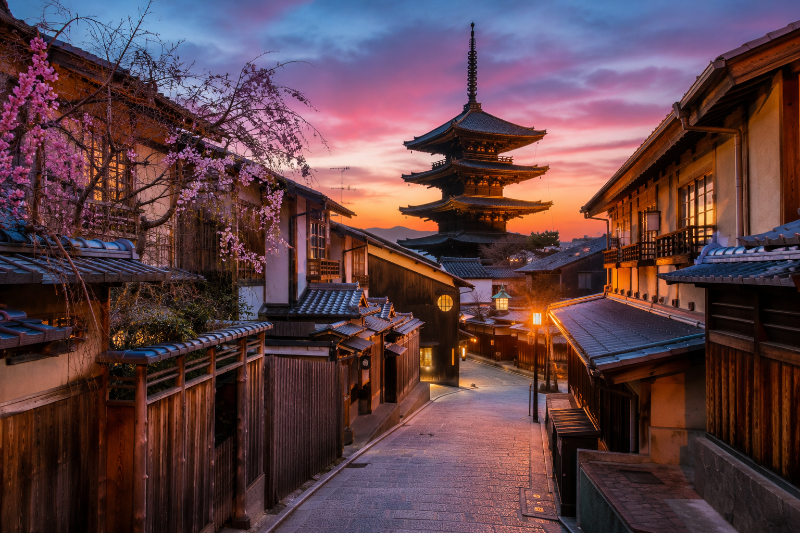

Kyoto continues to stand at the heart of Japan’s cultural identity, offering a rare blend of ancient traditions and refined modern luxury. As affluent travelers increasingly seek meaningful experiences rather than conventional sightseeing, Kyoto has emerged as one of the most desirable destinations for luxury tourism in 2026. The city combines centuries of heritage with world class hospitality, creating an environment where cultural immersion and exceptional comfort coexist seamlessly.
A well planned luxury Kyoto itinerary 2026 goes far beyond visiting famous landmarks. Instead, it focuses on private access, personalized service, exclusive cultural encounters, and carefully curated experiences. Moreover, Kyoto’s collection of luxury hotels, renowned ryokans, Michelin recognized restaurants, and artisan workshops provides opportunities unavailable in many other global destinations.
Affluent visitors are increasingly drawn to Kyoto because it offers authenticity without sacrificing sophistication. Private tea ceremonies, customized temple visits, luxury wellness retreats, and exceptional culinary experiences allow travelers to connect with Japanese culture on a deeper level. Meanwhile, luxury shopping districts and exclusive accommodations cater to travelers seeking comfort and exclusivity.
As a result, Kyoto remains one of the most compelling luxury travel destinations in Asia, delivering unforgettable experiences that balance culture, hospitality, and refined living.
Why Kyoto Remains Japan’s Ultimate Luxury Destination?
Kyoto occupies a unique position within Japan’s tourism landscape. Unlike Tokyo, which showcases innovation and urban energy, Kyoto preserves the nation’s cultural heritage through its temples, gardens, shrines, traditional neighborhoods, and artisan communities. Consequently, it appeals strongly to travelers seeking depth and authenticity.
Moreover, luxury hospitality standards in Kyoto rank among the finest in the world. Hotels and ryokans emphasize personalized service, privacy, and attention to detail. Every aspect of the guest experience reflects Japanese principles of hospitality and craftsmanship.
The city’s international appeal continues to grow because luxury travelers increasingly value access over extravagance. Private cultural experiences, exclusive dining opportunities, and personalized itineraries create memories that extend far beyond traditional tourism.
Where to Stay: Kyoto’s Finest Luxury Hotels and Ryokans
Choosing the right accommodation shapes the entire luxury Kyoto itinerary 2026. Fortunately, the city offers several outstanding properties that cater to different travel styles.
Four Seasons Hotel Kyoto combines contemporary elegance with a historic garden setting. Additionally, its wellness facilities and spacious accommodations appeal to travelers seeking resort style comfort within the city.
The Ritz Carlton Kyoto enjoys a coveted location along the Kamogawa River. Its refined design, exceptional service, and cultural programming make it particularly attractive to sophisticated international visitors.
Aman Kyoto delivers one of Japan’s most exclusive hospitality experiences. Nestled within a forested landscape, the property emphasizes privacy, wellness, and architectural harmony with nature.
Park Hyatt Kyoto offers intimate luxury near Higashiyama. Moreover, guests enjoy direct access to some of Kyoto’s most iconic cultural districts.
Hoshinoya Kyoto presents a riverside retreat accessible by boat. In contrast to conventional luxury hotels, it focuses on tranquility and immersive cultural experiences.
Tawaraya Ryokan remains one of Kyoto’s most prestigious traditional inns. Its reputation rests upon impeccable service, historical significance, and authentic Japanese hospitality.
Kyoto Luxury Accommodations
| Property | Type | Location | Luxury Highlight | Ideal Traveler |
|---|---|---|---|---|
| Four Seasons Hotel Kyoto | Luxury Hotel | Higashiyama | Historic garden setting | Resort focused travelers |
| The Ritz Carlton Kyoto | Luxury Hotel | Kamogawa River | Exceptional service | International luxury travelers |
| Aman Kyoto | Luxury Retreat | Northern Kyoto | Secluded wellness experience | Privacy seekers |
| Park Hyatt Kyoto | Luxury Hotel | Higashiyama | Prime cultural location | Culture focused travelers |
| Hoshinoya Kyoto | Luxury Ryokan Resort | Arashiyama | Riverside exclusivity | Nature lovers |
| Tawaraya Ryokan | Traditional Ryokan | Central Kyoto | Historic hospitality | Authentic experience seekers |
Day 1: Kyoto’s Cultural Icons in Luxury Style
The first day should focus on Kyoto’s most celebrated cultural landmarks while incorporating exclusive experiences unavailable to most visitors.
Begin with a private guided visit near Kinkaku ji, commonly known as the Golden Pavilion. Early access experiences and expert cultural interpretation significantly enhance appreciation of this iconic site. Moreover, professional photography services can help capture memorable moments without crowds.
Next, travel to Arashiyama. While many tourists simply walk through the bamboo grove, luxury travelers often arrange customized cultural experiences that include private guides, artisan visits, and exclusive access to nearby gardens.
A private tea ceremony provides deeper insight into Japanese traditions. Rather than participating in a large group session, couples can enjoy personalized instruction from experienced tea masters in intimate settings.
For dining, luxury river experiences along Kyoto’s waterways offer elegant cuisine combined with scenic views. Consequently, the meal becomes both a cultural and culinary highlight.
End the evening in Gion, Kyoto’s historic entertainment district. Private walking tours reveal hidden details of the neighborhood while avoiding the limitations of standard group excursions.
Day 2: Wellness, Tradition, and Fine Dining
Luxury travel increasingly incorporates wellness, and Kyoto excels in this area. Therefore, the second day should balance relaxation, mindfulness, and exceptional dining.
Aman Kyoto offers some of the city’s most sought after wellness experiences. Treatments draw inspiration from Japanese traditions while incorporating modern therapeutic techniques. Moreover, the tranquil surroundings encourage meaningful relaxation.
Zen meditation sessions provide another valuable dimension to luxury travel. Guided experiences allow visitors to engage directly with practices that have shaped Japanese culture for centuries.
Private temple visits create opportunities for reflection and cultural understanding. Unlike standard tours, these experiences often include discussions with monks and access to less visited areas.
Luxury shopping in Kyoto offers an alternative to international designer focused districts. Instead, travelers discover handcrafted goods, textiles, ceramics, and works created by master artisans.
The evening should center around Kyoto’s celebrated dining scene.
Kikunoi is renowned for refined kaiseki cuisine and meticulous seasonal presentation.
Gion Sasaki combines traditional techniques with contemporary creativity, attracting discerning diners from around the world.
Hyotei represents centuries of culinary excellence and remains one of Kyoto’s most respected dining institutions.
Mizai offers an intimate dining environment where craftsmanship and hospitality take center stage.
Each restaurant demonstrates why Kyoto remains one of the world’s great culinary destinations.
Day 3: Exclusive Kyoto Beyond the Tourist Trail
The third day explores experiences that many visitors never encounter.
Private artisan workshops provide direct access to traditional craftspeople. Guests can learn about ceramics, lacquerware, textiles, and calligraphy while gaining insight into centuries old techniques.
Traditional craft experiences offer meaningful engagement with Japanese culture. Moreover, they create personal connections that standard sightseeing rarely achieves.
Luxury sake tastings introduce travelers to Japan’s rich brewing heritage. Customized experiences often include expert guidance and rare selections unavailable elsewhere.
Hidden temple visits reveal quieter aspects of Kyoto. In contrast to heavily visited attractions, these locations offer intimacy and reflection.
For travelers seeking a broader perspective, scenic helicopter excursions provide extraordinary views of Kyoto and surrounding landscapes. Consequently, they add a dramatic dimension to the itinerary.
Read also: Why Everyone Is Visiting Japan Right Now
Luxury Kyoto Experiences
| Experience | Category | Exclusivity Level | Time Required | Luxury Value |
| Private Tea Ceremony | Cultural | High | 2 Hours | Authentic immersion |
| Temple Access Program | Cultural | High | Half Day | Rare access |
| Michelin Dining | Culinary | High | Evening | World class cuisine |
| Artisan Workshop | Heritage | Medium to High | Half Day | Personal engagement |
| Helicopter Excursion | Adventure | Very High | 1 Hour | Exceptional perspective |
Kyoto’s Best Luxury Shopping Experiences
Kyoto’s luxury retail scene differs significantly from major international fashion capitals. Rather than focusing exclusively on global brands, it emphasizes craftsmanship, heritage, and exclusivity.
Shinmonzen Street remains one of the city’s most elegant shopping destinations. Antique galleries, art dealers, and specialty boutiques attract collectors and cultural enthusiasts alike.
Luxury Japanese crafts represent some of Kyoto’s most valuable purchases. Handcrafted ceramics, textiles, and lacquerware offer enduring quality and cultural significance.
Additionally, personal shopping services help travelers navigate specialized markets and identify unique acquisitions aligned with their interests.
The Best Fine Dining Experiences in Kyoto
Kyoto’s culinary reputation extends far beyond Japan. The city serves as the spiritual home of kaiseki dining, a sophisticated culinary tradition emphasizing seasonality, balance, and artistic presentation.
Michelin recognized restaurants contribute significantly to Kyoto’s global standing. However, the appeal extends beyond awards. Chefs focus on craftsmanship, hospitality, and cultural expression through food.
Private dining experiences have also gained popularity among affluent travelers. These settings allow deeper engagement with culinary traditions while ensuring privacy and personalized service.
Consequently, dining becomes one of the defining highlights of any luxury Kyoto itinerary.
Luxury Wellness and Traditional Japanese Hospitality
Wellness continues to shape luxury tourism trends worldwide. Kyoto responds through experiences that combine relaxation with cultural authenticity.
Many luxury properties incorporate onsen inspired treatments, mindfulness programs, and nature based wellness activities. Moreover, these offerings align closely with Japanese concepts of balance and harmony.
Traditional ryokan hospitality further enhances wellness. Attentive service, carefully prepared meals, and serene environments encourage guests to slow down and reconnect with their surroundings.
As a result, Kyoto provides restorative experiences that extend beyond conventional luxury spa treatments.
Seasonal Luxury Travel in Kyoto
Each season transforms Kyoto in distinctive ways.
Spring attracts visitors seeking cherry blossoms. Consequently, premium accommodations and private viewing experiences become highly desirable.
Autumn offers vibrant foliage and exceptional photography opportunities. Many travelers consider this the city’s most visually spectacular season.
Winter delivers quieter cultural experiences, luxurious accommodations, and greater access to exclusive venues.
Meanwhile, summer festivals provide energy, tradition, and unique opportunities for cultural immersion.
Selecting the right season depends largely on personal preferences and desired experiences.
The Future of Luxury Travel in Kyoto
Luxury travel in Kyoto continues to evolve. Personalized tourism increasingly replaces standardized itineraries, allowing travelers to tailor every aspect of their journeys.
Sustainability initiatives are becoming more prominent as hospitality providers balance growth with cultural preservation. Moreover, travelers increasingly prioritize responsible tourism practices.
Technology also plays a growing role. Customized planning tools, enhanced concierge services, and seamless travel experiences improve convenience without diminishing authenticity.
Therefore, Kyoto is positioned to remain one of Asia’s premier luxury destinations well into the future.
Unique Insight: Why Kyoto Represents Authentic Luxury?
A luxury Kyoto itinerary 2026 differs fundamentally from traditional sightseeing programs. Rather than emphasizing volume, it prioritizes depth, access, and meaningful engagement.
Luxury in Kyoto is not defined by extravagance alone. Instead, it emerges through cultural immersion, personalized hospitality, and opportunities unavailable to the broader public.
Moreover, Kyoto demonstrates that authentic luxury often involves experiences rather than possessions. Private temple visits, conversations with artisans, Michelin dining, and traditional hospitality create memories that endure long after a journey ends.
The city’s greatest strength lies in its ability to connect travelers with centuries of culture while maintaining contemporary standards of comfort and service. Consequently, Kyoto offers a form of luxury that feels both exclusive and deeply meaningful.
Frequently Asked Questions
How many days are ideal for a luxury Kyoto itinerary?
Three to five days allows travelers to experience major cultural attractions, luxury accommodations, fine dining, and exclusive activities comfortably.
What is the most luxurious hotel in Kyoto?
Aman Kyoto is often considered among the most exclusive luxury properties due to its privacy, wellness focus, and exceptional setting.
Is Aman Kyoto worth staying at?
Yes. It offers a unique combination of seclusion, design excellence, and personalized hospitality.
Which Michelin starred restaurants are best in Kyoto?
Kikunoi, Gion Sasaki, Hyotei, and Mizai rank among the city’s most respected dining establishments.
What luxury cultural experiences are available in Kyoto?
Private tea ceremonies, temple access programs, artisan workshops, and customized cultural tours are highly sought after.
When is the best time to visit Kyoto?
Spring and autumn remain the most popular seasons due to cherry blossoms and autumn foliage.
Are luxury ryokans better than hotels?
Neither is universally better. Ryokans emphasize tradition and cultural immersion, while hotels often provide broader amenities.
What is Kyoto known for in luxury travel?
Kyoto is known for luxury hospitality, Michelin dining, cultural authenticity, and exclusive experiences.
How expensive is a luxury trip to Kyoto?
Costs vary significantly, although premium itineraries often range from several thousand to tens of thousands of dollars.
What are the best exclusive experiences in Kyoto?
Private temple visits, artisan workshops, luxury dining experiences, and helicopter excursions are among the most exclusive options.