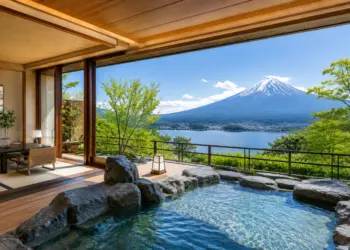









The global fascination with visiting Japan has reached unprecedented levels. From luxury travelers seeking cultural authenticity to younger explorers inspired by social media, Japan has emerged as one of the most sought-after destinations in the world. The country’s appeal extends far beyond traditional sightseeing. Instead, travelers are increasingly drawn to immersive experiences that blend centuries-old traditions with cutting-edge innovation.
A combination of favorable exchange rates, world-class hospitality, exceptional safety standards, and a renewed interest in experiential travel has fueled this tourism boom. Affluent travelers, in particular, are prioritizing destinations that offer meaningful cultural engagement rather than simply luxury consumption. Japan excels in delivering both.
Moreover, Japan’s ability to seamlessly integrate ancient temples, refined culinary traditions, luxury hotels, futuristic architecture, and natural beauty creates an experience unlike anywhere else. Whether exploring Tokyo’s dazzling urban landscape, wandering Kyoto’s historic streets, or indulging in Osaka’s celebrated food culture, visitors discover a destination that consistently exceeds expectations.
As global travel continues evolving toward experience-driven tourism, visiting Japan has become more than a vacation choice it represents a lifestyle aspiration that combines sophistication, cultural depth, and unforgettable memories.
The Cultural Magnetism Driving Travel Demand in Japan
One of the primary reasons travelers are prioritizing visiting Japan is its extraordinary cultural heritage. Unlike many destinations where modernization has diluted traditional identity, Japan has preserved centuries-old customs while embracing technological advancement.
Across the country, travelers encounter ancient temples, sacred shrines, historic castles, and carefully maintained cultural districts. These landmarks provide meaningful insights into Japan’s history and spiritual traditions. From Kyoto’s Zen gardens to Nara’s ancient temples, visitors gain access to living history rather than static museum exhibits.
Additionally, Japanese society places a strong emphasis on respect, discipline, and hospitality. The concept of omotenashi selfless hospitality creates memorable interactions that often become highlights of a trip. Visitors consistently praise the professionalism, courtesy, and attention to detail found throughout the country.
Consequently, culture is not simply an attraction in Japan; it forms the foundation of the entire travel experience. This authenticity continues to distinguish Japan from competing global destinations.
Tokyo – A Hyper-Modern Luxury Travel Capital
Tokyo represents one of the most compelling reasons for visiting Japan today. As one of the world’s most dynamic cities, Tokyo combines futuristic innovation with deep-rooted tradition in a way few destinations can replicate.
Among the most popular things to see in Tokyo Japan are the luxury shopping districts of Ginza and Omotesando. These neighborhoods feature flagship boutiques from leading global brands alongside pioneering Japanese designers. Architecture enthusiasts are equally drawn to the city’s remarkable blend of modern skyscrapers and historic temples.
Tokyo’s dining scene is another major attraction. The city boasts one of the highest concentrations of Michelin-starred restaurants globally. Travelers can experience everything from elite sushi counters and kaiseki dining to innovative fusion cuisine that pushes culinary boundaries.
Meanwhile, Tokyo’s efficient public transportation system, exceptional cleanliness, and low crime rates enhance the visitor experience. Luxury hotels continue raising standards through personalized service, wellness offerings, and sophisticated design concepts that cater to international travelers.
The contrast between centuries-old shrines and advanced technology creates a uniquely compelling urban environment that keeps Tokyo at the forefront of global tourism.
Kyoto – The Heart of Traditional Japan
For many travelers, Kyoto represents the emotional centerpiece of visiting Japan. While Tokyo showcases modern Japan, Kyoto preserves the country’s cultural soul.
There are countless things to do in Kyoto Japan, particularly for travelers interested in history, spirituality, and traditional arts. Visitors can participate in tea ceremonies, explore bamboo forests, attend cultural workshops, and stay in historic ryokans that provide authentic Japanese hospitality.
Among the most famous Kyoto tourist attractions are Kinkaku-ji (Golden Pavilion), Fushimi Inari Taisha, Kiyomizu-dera Temple, and the historic Gion district. These locations offer immersive experiences that connect visitors directly with Japanese heritage.
Luxury travelers increasingly choose Kyoto for its exclusive ryokan accommodations, private cultural tours, and wellness retreats. Many properties combine traditional architecture with modern luxury, creating intimate environments that encourage relaxation and reflection.
Consequently, Kyoto continues attracting travelers seeking authenticity, cultural enrichment, and deeper emotional engagement during their journeys.
Osaka and the Rise of Culinary Tourism in Japan
Osaka has emerged as a major tourism powerhouse thanks to its vibrant culinary culture and energetic atmosphere. While Tokyo and Kyoto often dominate international attention, Osaka provides a distinct perspective on modern Japanese life.
The city is famous for its street food culture. Popular dishes such as takoyaki and okonomiyaki attract visitors eager to experience regional flavors. However, Osaka’s culinary scene extends far beyond casual dining.
Luxury restaurants throughout the city have elevated traditional cuisine into sophisticated gastronomic experiences. This combination of accessibility and refinement has helped establish Osaka as a leading destination for food tourism.
Entertainment districts such as Dotonbori contribute additional appeal through their vibrant nightlife, shopping opportunities, and immersive urban energy. Therefore, Osaka increasingly serves as an essential stop for travelers seeking a complete understanding of contemporary Japan.
Comparative Travel Experiences Across Japan
| City | Travel Experience | Luxury Appeal | Cultural Highlight |
|---|---|---|---|
| Tokyo | Urban innovation and design | Five-star hotels, Michelin dining | Blend of tradition and technology |
| Kyoto | Traditional cultural immersion | Luxury ryokans and private tours | Temples, geisha districts, tea culture |
| Osaka | Culinary exploration | Premium dining experiences | Regional food heritage |
| Nara | Historical discovery | Boutique cultural stays | Ancient temples and deer park |
Why Japan Is Becoming a Luxury Travel Hotspot?
Japan’s luxury tourism sector has undergone remarkable growth in recent years. International hotel brands continue expanding throughout major cities while independent luxury properties elevate service standards.
The country’s Michelin-recognized dining culture plays a significant role in attracting affluent travelers. Food has become a central motivation for travel decisions, and Japan consistently delivers world-class culinary experiences.
Furthermore, personalized hospitality distinguishes Japanese luxury travel from many competitors. Travelers increasingly value experiences over material possessions, making Japan’s service culture particularly attractive.
Key reasons luxury travelers are choosing Japan include:
- Exclusivity and authenticity
- Exceptional privacy standards
- Curated cultural experiences
- Personalized service
- World-class wellness offerings
Additionally, luxury wellness tourism continues growing through high-end onsen resorts, mountain retreats, and holistic health programs that emphasize relaxation and rejuvenation.
Seasonal Tourism and Why Timing Matters in Visiting Japan
Seasonality significantly influences the experience of visiting Japan. Each season offers distinct visual beauty and cultural opportunities.
Spring attracts travelers from around the world during cherry blossom season. Parks, riversides, and historic landmarks become transformed by delicate pink blooms that symbolize renewal and impermanence.
Autumn provides equally spectacular scenery. Vibrant red and gold foliage enhances temple grounds, gardens, and mountain landscapes throughout the country. Many travelers consider autumn one of the most beautiful periods to explore Japan.
Winter introduces luxury skiing, hot spring retreats, and seasonal festivals. Northern regions such as Hokkaido attract international visitors seeking premium snow experiences and unique winter culture.
Summer, meanwhile, features traditional festivals, fireworks displays, and cultural celebrations that showcase local traditions and community life.
Seasonal Travel Comparison
| Season | Experience Type | Best Cities | Traveler Benefit |
| Spring | Cherry blossoms | Tokyo, Kyoto, Osaka | Iconic scenery |
| Summer | Festivals and events | Kyoto, Osaka | Cultural immersion |
| Autumn | Foliage tourism | Kyoto, Nara, Nikko | Spectacular landscapes |
| Winter | Skiing and onsen retreats | Hokkaido, Nagano | Luxury winter experiences |
Digital Travel Systems and Visit Japan Web
Modern convenience has become another factor supporting increased interest in visiting Japan. The government’s digital initiatives have streamlined travel planning and entry procedures.
The visit japan web platform simplifies important administrative processes before arrival. Travelers can complete necessary information digitally, reducing paperwork and improving efficiency at entry points.
Additionally, the visit japan website provides valuable resources related to transportation, attractions, accommodations, and travel updates. These digital tools make trip planning significantly easier for international visitors.
Japan’s broader technological infrastructure further enhances the travel experience. Mobile payment systems, efficient navigation tools, and reliable public transportation applications reduce friction throughout a journey.
Consequently, digital innovation complements traditional hospitality, creating a seamless experience from arrival through departure.
The Rise of Luxury and Experiential Travel in Japan
The global shift toward experiential travel has directly benefited Japan. Modern travelers increasingly prioritize memorable experiences over conventional sightseeing.
Luxury ryokan stays exemplify this trend. Guests enjoy personalized hospitality, traditional architecture, seasonal cuisine, and intimate connections with local culture.
Private guided experiences have also become increasingly popular. These may include exclusive temple visits, artisan workshops, private culinary tours, and customized cultural itineraries that provide deeper engagement than standard tourism activities.
Wellness travel represents another growing segment. High-end onsen resorts, meditation retreats, and nature-based experiences allow visitors to reconnect with themselves while exploring Japanese traditions.
Moreover, exclusive access opportunities continue expanding, giving affluent travelers unprecedented access to cultural experiences previously unavailable to international visitors.
Why Affluent Travelers Are Choosing Japan?
Affluent travelers increasingly view visiting Japan as one of the most rewarding travel investments available today.
Safety remains a major advantage. Japan consistently ranks among the world’s safest countries, allowing visitors to explore with confidence and comfort.
Service quality also exceeds expectations. From luxury hotels to local restaurants, attention to detail creates consistently exceptional experiences. Furthermore, cleanliness standards throughout the country contribute to a sense of comfort rarely matched elsewhere.
Key motivations among affluent travelers include:
- Curated travel experiences
- Emotional and cultural immersion
- Premium comfort and service
- Culinary excellence
- Luxury retail opportunities
In addition, Japan’s luxury shopping scene continues attracting international visitors seeking both global brands and uniquely Japanese craftsmanship.
Unique Insight – Japan as the New Benchmark for Experiential Luxury Travel
Japan is increasingly redefining what luxury means in contemporary travel. Traditional indicators such as opulent accommodations and exclusive amenities remain important. However, modern luxury increasingly centers on authenticity, meaning, and personal transformation.
In this context, Japan offers something uniquely valuable. Travelers can participate in centuries-old traditions, connect with skilled artisans, enjoy extraordinary cuisine, and experience profound cultural immersion while maintaining access to world-class comfort.
Therefore, cultural authenticity itself has become a new status symbol among sophisticated travelers. Experiences that feel genuine and transformative carry greater value than conventional luxury consumption.
Japan’s ability to blend tradition with innovation positions it as a global benchmark for experiential travel. Rather than simply offering attractions, the country delivers meaningful experiences that resonate long after a trip ends.
As a result, visiting Japan increasingly represents lifestyle elevation rather than ordinary tourism—a distinction that continues attracting discerning travelers from around the world.
Frequently Asked Questions
Why is Japan so popular for tourists right now?
Japan combines cultural heritage, luxury hospitality, culinary excellence, safety, and unique seasonal experiences, making it one of the world’s most desirable travel destinations.
What is the best time for visiting Japan?
Spring for cherry blossoms and autumn for foliage are the most popular seasons, although each season offers unique experiences.
What are the top things to see in Tokyo Japan?
Popular attractions include Ginza, Omotesando, Shibuya, Tokyo Tower, historic temples, luxury shopping districts, and Michelin-starred restaurants.
What are the best things to do in Kyoto Japan?
Visitors can explore temples, participate in tea ceremonies, stay in luxury ryokans, visit bamboo forests, and discover historic geisha districts.
What is visit Japan Web?
Visit Japan Web is a digital platform that helps travelers manage entry procedures and travel-related information before arriving in Japan.
Is Japan good for luxury travel?
Yes. Japan offers exceptional luxury hotels, exclusive cultural experiences, Michelin dining, wellness retreats, and personalized hospitality.
What makes Kyoto tourist attractions unique?
Kyoto’s attractions preserve centuries of Japanese history, spirituality, architecture, and cultural traditions within an accessible modern city.
Is Japan safe for travelers?
Japan is widely regarded as one of the safest countries in the world for international visitors.
What food is Japan famous for?
Japan is famous for sushi, ramen, tempura, wagyu beef, kaiseki cuisine, and numerous regional specialties.
Why do affluent travelers prefer Japan?
Affluent travelers value Japan’s cultural authenticity, luxury hospitality, safety, service quality, culinary excellence, and immersive travel experiences.