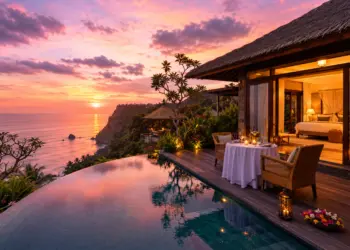









Japan is one of the world’s most rewarding destinations for solo travelers. Known for its exceptional safety, efficient transportation system, rich culture, and welcoming atmosphere, Japan offers an unforgettable experience for first-time solo adventurers. Whether you’re exploring vibrant cities, relaxing in traditional hot springs, or discovering ancient temples, traveling alone in Japan can be both exciting and stress-free.
This complete beginner guide to solo travel in Japan covers everything you need to know, from planning your trip and budgeting to transportation, accommodation, safety tips, and must-visit destinations.
Why Japan Is Perfect for Solo Travelers
Japan consistently ranks among the safest countries in the world, making it an excellent destination for people traveling alone.
Benefits of solo travel in Japan include:
- Low crime rates
- Reliable public transportation
- Clean cities and facilities
- Friendly and helpful locals
- Excellent tourist infrastructure
- Abundance of solo dining options
- Easy navigation with modern technology
Even travelers with little international experience often find Japan surprisingly easy to explore independently.
Best Time to Visit Japan
Each season offers unique experiences.
| Season | Months | Highlights |
|---|---|---|
| Spring | March to May | Cherry blossoms and pleasant weather |
| Summer | June to August | Festivals, beaches, and mountain hiking |
| Autumn | September to November | Colorful fall foliage and mild temperatures |
| Winter | December to February | Snow sports, hot springs, and winter illuminations |
For most first-time visitors, spring and autumn provide the most comfortable weather conditions.
Planning Your Solo Trip to Japan
Check Visa Requirements
Before booking flights, verify entry requirements based on your nationality.
Make sure your passport is valid and review current visa regulations well in advance of your departure date.
Create a Basic Itinerary
A well-planned itinerary can reduce stress while still allowing flexibility.
Popular first-time routes include:
- Tokyo → Kyoto → Osaka
- Tokyo → Hakone → Kyoto
- Tokyo → Hiroshima → Osaka
Avoid trying to see too many cities in a short period.
Book Accommodation Early
Popular destinations can fill up quickly, especially during cherry blossom season and major holidays.
Early booking often provides better prices and location choices.
Best Places for Solo Travelers in Japan
Tokyo
Japan’s capital is an exciting mix of modern technology and traditional culture.
Top attractions include:
- Shibuya Crossing
- Asakusa
- Meiji Shrine
- Akihabara
- Tokyo Skytree
Tokyo is ideal for first-time solo travelers because of its extensive transportation network and endless activities.
Kyoto
Kyoto offers a glimpse into traditional Japan.
Highlights include:
- Historic temples
- Bamboo forests
- Traditional tea houses
- Beautiful gardens
The city is perfect for travelers seeking cultural experiences.
Osaka
Known for its food scene and lively atmosphere, Osaka is one of Japan’s most entertaining cities.
Must-see attractions include:
- Dotonbori
- Osaka Castle
- Universal Studios Japan
- Kuromon Market
Hiroshima
Hiroshima combines important historical sites with modern city life.
Visitors often explore:
- Peace Memorial Park
- Hiroshima Castle
- Miyajima Island
Hakone
Hakone is famous for:
- Hot springs
- Mount Fuji views
- Scenic train rides
- Relaxing ryokan stays
It offers a peaceful escape from busy city life.
Transportation Tips for Solo Travelers
Japan’s transportation system is among the best in the world.
Use Trains
Trains are the most efficient way to travel between cities.
Benefits include:
- Punctual schedules
- Comfortable seating
- Extensive coverage
- Easy online navigation
Consider a Rail Pass
Depending on your itinerary, a rail pass may help reduce transportation costs.
Calculate potential savings before purchasing.
Download Navigation Apps
Helpful travel apps include:
- Google Maps
- Japan Travel by Navitime
- Google Translate
These tools make navigating Japan much easier.
Where to Stay in Japan
Hotels
Business hotels offer affordable, clean, and convenient accommodations.
Capsule Hotels
Capsule hotels provide a uniquely Japanese experience and are often popular with solo travelers.
Hostels
Hostels are excellent for meeting other travelers while keeping costs low.
Ryokans
Traditional Japanese inns offer authentic cultural experiences, including tatami rooms and local meals.
Budgeting for Solo Travel in Japan
Japan can suit a wide range of budgets.
Average Daily Costs
| Expense | Budget Traveler | Mid-Range Traveler |
|---|---|---|
| Accommodation | $25–$60 | $80–$180 |
| Food | $15–$40 | $40–$80 |
| Transportation | $10–$30 | $20–$50 |
| Attractions | $5–$30 | $20–$60 |
Your actual expenses will vary depending on travel style and destination choices.
Solo Dining in Japan
Many first-time solo travelers worry about eating alone, but Japan is one of the easiest countries for solo dining.
You’ll find:
- Ramen shops with individual seating
- Sushi counters
- Convenience store meals
- Cafes and restaurants welcoming solo guests
Dining alone is completely normal and widely accepted.
Safety Tips for Solo Travelers
Japan is generally very safe, but basic precautions are still important.
Keep Emergency Contacts Available
Store important phone numbers and travel information both digitally and on paper.
Stay Aware of Last Train Times
Missing the final train may require an expensive taxi ride.
Secure Valuables
Although theft is uncommon, use common-sense precautions with your belongings.
Learn Basic Japanese Phrases
Simple phrases can improve interactions and show respect for local culture.
Useful phrases include:
- Hello
- Thank you
- Excuse me
- Where is the station?
- Do you speak English?
Cultural Etiquette in Japan
Understanding local customs can enhance your experience.
Important etiquette tips include:
- Remove shoes when required
- Speak quietly on public transportation
- Avoid eating while walking in some areas
- Respect queues and lines
- Follow local hot spring rules
Japanese culture places a strong emphasis on consideration for others.
Common Mistakes First-Time Solo Travelers Make
Avoid these common errors:
- Overpacking
- Planning too many destinations
- Ignoring train schedules
- Carrying only credit cards
- Not having internet access
- Underestimating walking distances
Preparation helps create a smoother travel experience.
Conclusion
Solo travel in Japan is an incredible experience for beginners and experienced travelers alike. With its outstanding safety, efficient transportation, rich culture, and countless attractions, Japan offers everything needed for a memorable solo adventure. By planning ahead, understanding local customs, and maintaining a flexible itinerary, you can confidently explore one of the world’s most fascinating destinations on your own.
Frequently Asked Questions (FAQs)
1. Is Japan safe for solo travelers?
Yes. Japan is widely regarded as one of the safest countries in the world and is highly suitable for solo travelers.
2. Can I travel around Japan without speaking Japanese?
Yes. Many signs are available in English, and translation apps make communication much easier.
3. How much money do I need for a solo trip to Japan?
Budget travelers can often spend around $50–$100 per day, while mid-range travelers may spend $150–$300 per day.
4. Is solo dining common in Japan?
Yes. Many restaurants are designed specifically to accommodate solo diners.
5. What is the best city for first-time solo travelers in Japan?
Tokyo is often considered the best starting point due to its transportation network, attractions, and tourist-friendly facilities.
6. How many days should I spend in Japan?
A first trip of 7 to 14 days allows enough time to explore major cities and experience Japanese culture without rushing.