

The luxury fashion landscape changes faster than ever. In an era shaped by social media, shifting consumer values, and increasingly sophisticated luxury shoppers, cultural relevance has become just as important as craftsmanship. Heritage alone is no longer enough. Even the world’s most established luxury fashion brands must continually prove their relevance to new generations while preserving the exclusivity that defines luxury.
Against this backdrop, Prada has achieved one of the most remarkable transformations in modern fashion. Once viewed primarily as an intellectual fashion house admired by industry insiders, Prada has re-emerged as one of the most influential names in global luxury. From runway conversations and celebrity wardrobes to TikTok trends and luxury retail performance, the brand has reclaimed a position at the center of fashion culture.
The resurgence of Prada reflects broader changes in consumer behavior. Younger luxury buyers increasingly prioritize authenticity, creative credibility, and timeless design over flashy status symbols. As Gen Z and millennial shoppers redefine what luxury means, Prada’s distinctive approach to fashion has found renewed relevance.
Today, Prada is once again shaping conversations across the luxury market. Its influence extends far beyond products, demonstrating how a heritage brand can evolve without compromising its identity. Understanding why Prada is fashion’s coolest luxury brand again offers valuable insight into the future direction of luxury itself.
How Prada Lost and Regained Cultural Momentum?
The luxury sector underwent significant changes during the 2010s. Consumer attention shifted toward streetwear-inspired aesthetics, logo-heavy products, and digital-first brands that embraced social media culture. Many established luxury houses struggled to adapt as younger audiences gravitated toward more visible and trend-driven expressions of luxury.
During this period, Prada remained respected but occasionally appeared less dominant compared with competitors generating viral moments and headline-grabbing collaborations. While the brand maintained its reputation for design excellence, some consumers viewed its intellectual approach as less accessible than more overt luxury offerings.
What makes Prada’s comeback particularly remarkable is the way it rebuilt relevance without abandoning its core identity. Rather than chasing every trend, the company refined its creative direction, strengthened product categories, invested in digital engagement, and reconnected with younger consumers through authenticity. The result has been a gradual but powerful return to cultural prominence that feels earned rather than manufactured.
The brand’s renewed momentum has been driven by several factors:
- Stronger product storytelling
- Consistent creative leadership
- Increased visibility among younger consumers
- Strategic digital engagement
- Renewed focus on iconic categories
Why Prada Fashion Feels Relevant Again?
One reason Prada fashion resonates so strongly today is its ability to balance innovation with practicality. While many luxury houses emphasize spectacle, Prada often focuses on thoughtful design concepts that translate into wearable products. This combination appeals to modern consumers seeking both creativity and functionality.
In many ways, Prada anticipated trends before they became mainstream. Long before conversations about quiet luxury gained momentum, the brand was exploring understated sophistication, intelligent design, and subtle expressions of status. These qualities now align closely with evolving consumer preferences.
Another important factor is Prada’s distinctive aesthetic identity. The brand occupies a unique position between minimalism and experimentation. Its collections often challenge conventional notions of beauty while remaining commercially relevant. As designer fashion trends increasingly favor individuality over uniformity, Prada’s nuanced approach feels particularly contemporary.
Key elements that make Prada fashion relevant today include:
- Intellectual design philosophy
- Strong balance between luxury and wearability
- Distinctive visual language
- Cultural credibility among fashion insiders
- Consistent innovation across collections
The Role of Miuccia Prada and Creative Evolution
Few figures have shaped modern fashion as profoundly as Miuccia Prada. Her influence extends beyond individual collections to broader conversations about aesthetics, culture, and consumer behavior. For decades, she has demonstrated an ability to identify emerging shifts before they become widely recognized.
The strength of Prada’s leadership lies in its commitment to evolution rather than reinvention. While many brands undergo dramatic identity changes, Prada has continuously refined its vision. This consistency has created trust among consumers who value authenticity and creative integrity.
The relationship between miumiu prada has also contributed to the broader cultural influence of the group. While Prada often embodies intellectual luxury, Miu Miu explores younger and more playful expressions of fashion. Together, they provide complementary perspectives that resonate across different consumer segments. The heritage of Prada Milano remains central to both brands, reinforcing a powerful connection between innovation and tradition.
| Factor | Prada Strategy | Consumer Response | Industry Impact |
|---|---|---|---|
| Creative Direction | Consistent evolution | Strong loyalty | Greater emphasis on authenticity |
| Product Development | Timeless innovation | Increased desirability | Shift toward longevity |
| Brand Identity | Intellectual luxury | Cultural credibility | Differentiation from competitors |
| Heritage Integration | Modernized tradition | Trust and prestige | Benchmark for heritage brands |
How Prada Captured Gen Z Without Losing Luxury Status?
Attracting younger consumers presents a challenge for luxury brands. Excessive accessibility can dilute exclusivity, while excessive exclusivity can limit relevance. Prada has navigated this balance exceptionally well.
The brand’s growing visibility on social platforms has helped introduce its products and runway collections to younger audiences. Rather than relying solely on traditional luxury marketing, Prada has become part of broader cultural conversations involving music, art, entertainment, and digital communities.
Celebrity influence has also played a role. Actors, musicians, athletes, and fashion influencers regularly incorporate Prada into their personal style. However, unlike many brands that depend heavily on celebrity endorsements, Prada benefits from genuine cultural adoption. Consumers often view the brand as a symbol of taste rather than simply status.
This reflects a broader shift in luxury consumer behavior. Younger shoppers increasingly seek brands that communicate intelligence, creativity, and authenticity. Prada aligns naturally with these values.
The Power of Prada’s Iconic Accessories
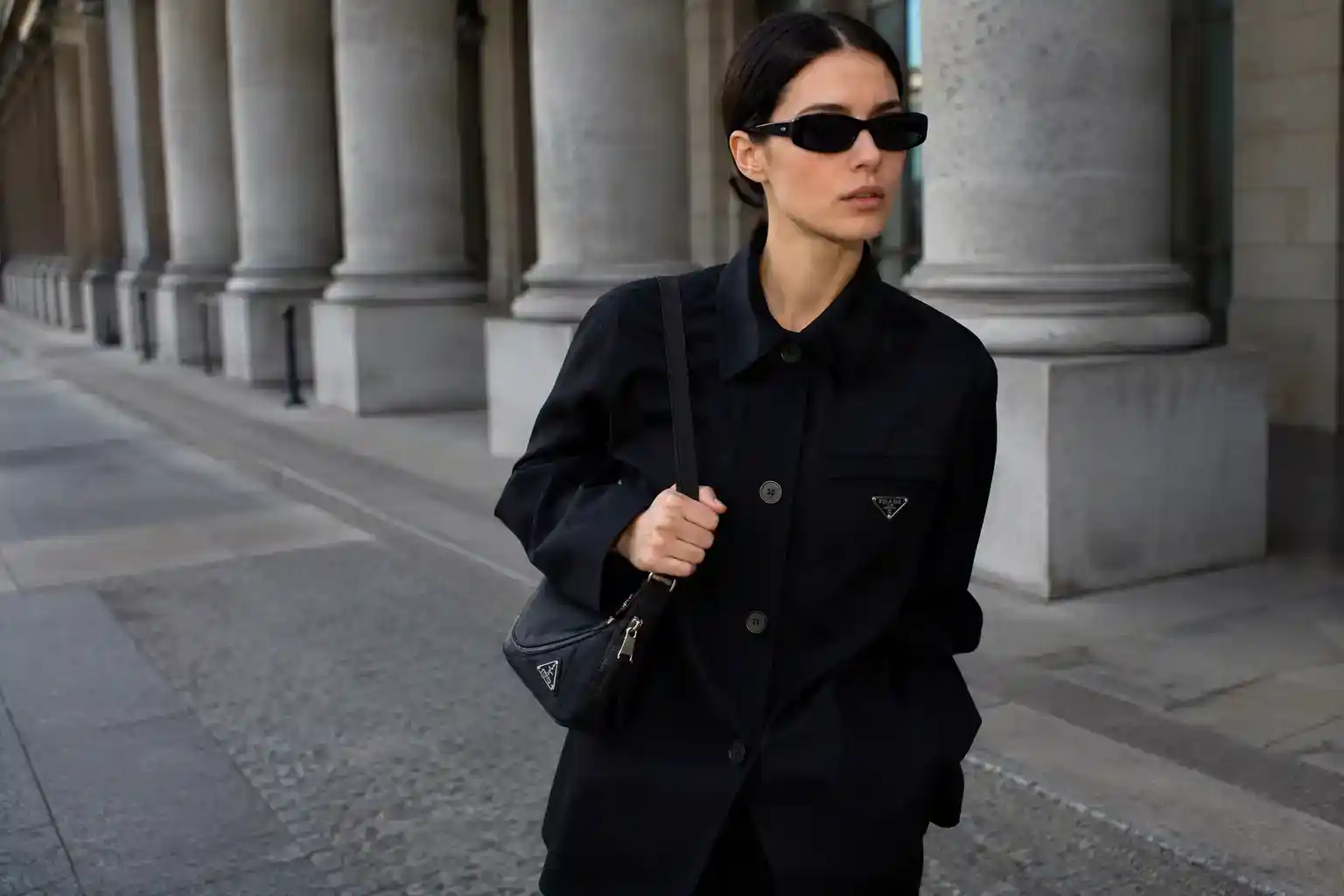
Accessories remain one of the strongest drivers of Prada’s success. While runway collections generate attention, products such as the Prada bag, Prada handbag collections, Prada sunglasses, and Prada shoes help translate brand desirability into consumer demand.
The popularity of the Prada bag demonstrates the company’s ability to create products that balance practicality with fashion relevance. Many of its most successful designs avoid excessive branding, appealing to consumers who prefer understated luxury. This approach has become increasingly attractive in recent years.
Similarly, Prada handbag collections continue to perform strongly because they combine recognizable design codes with everyday functionality. Luxury buyers often seek products that deliver long-term value, and Prada’s accessory strategy aligns with that preference.
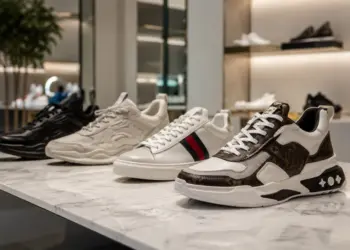
Prada sunglasses and Prada shoes further strengthen the ecosystem. These categories allow consumers to engage with the brand at multiple price points while maintaining a consistent luxury experience. Together, accessories create a powerful foundation that supports both revenue growth and brand visibility.
Popular accessory strengths include:
- Timeless design language
- Strong resale value
- Practical functionality
- Cross-generational appeal
- Consistent luxury positioning
Why Quiet Luxury Benefited Prada?
The rise of quiet luxury has transformed the luxury market. As consumers became less interested in overt displays of wealth, demand increased for products emphasizing quality, craftsmanship, and subtle sophistication.
Prada was particularly well-positioned to benefit from this shift. The brand’s design philosophy has long favored restraint over excess. Even its most recognizable products often communicate luxury through materials, construction, and design rather than logos alone.
This change reflects evolving purchasing behavior. Many consumers now prioritize longevity and versatility when making luxury purchases. Rather than buying products designed to attract immediate attention, they seek items capable of remaining relevant for years.
Prada’s longstanding commitment to intelligent design suddenly appeared perfectly aligned with contemporary consumer values. What once seemed understated now feels modern and desirable.
| Traditional Luxury Marketing | Prada’s Modern Approach | Consumer Benefit | Brand Advantage |
| Status-focused messaging | Cultural relevance | Authentic engagement | Stronger loyalty |
| Logo visibility | Design-led identity | Timeless appeal | Long-term equity |
| Seasonal trend focus | Enduring aesthetics | Better value perception | Consistent demand |
| Celebrity dependency | Community influence | Greater trust | Sustainable growth |
Prada’s Influence on the Luxury Fashion Industry
Few companies exert influence across the luxury fashion industry in the way Prada does. The brand frequently introduces ideas that later shape broader conversations across fashion, retail, and consumer culture.
Runway presentations often influence future designer fashion trends, while Prada’s product strategies are closely monitored by competitors. The company’s ability to identify emerging consumer preferences has made it one of the most respected voices among luxury fashion brands.
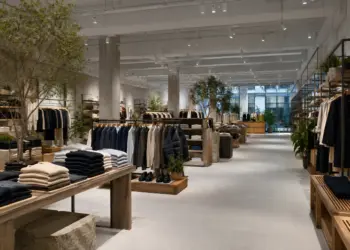
Retail strategy also contributes to Prada’s leadership position. Rather than focusing solely on expansion, the company emphasizes brand experience, product quality, and long-term customer relationships. This approach reinforces exclusivity while supporting sustainable growth.
As a result, Prada serves as both a commercial success story and a creative benchmark for the broader luxury sector.
What Prada’s Success Says About Modern Luxury Consumers?
Prada’s resurgence reveals important insights about contemporary luxury buyers. Today’s consumers are more informed, more selective, and more culturally aware than previous generations.
Rather than pursuing luxury solely as a status symbol, many shoppers seek products that reflect personal values and identity. Authenticity has become a critical factor in purchasing decisions. Consumers increasingly reward brands with clear creative visions and consistent cultural relevance.
Prada succeeds because it offers more than products. It offers participation in a broader intellectual and cultural conversation. Buyers appreciate the sense of sophistication associated with the brand, viewing it as a marker of taste rather than simple wealth.
This evolution suggests the future of luxury will be driven less by visibility and more by credibility.
The Future of Prada
Looking ahead, Prada appears well-positioned to maintain its influence. The company continues investing in sustainability initiatives, digital innovation, and responsible luxury practices that align with changing consumer expectations.
Technology will play an increasingly important role in luxury retail, and Prada has demonstrated a willingness to explore new digital experiences without compromising exclusivity. As younger consumers become a larger share of the luxury market, this balance will become even more important.
Sustainability also represents a significant opportunity. Luxury buyers increasingly evaluate brands based on environmental and ethical considerations. Prada’s ongoing efforts in these areas could strengthen its appeal among future generations.
Given its combination of heritage, innovation, and cultural relevance, Prada is likely to remain one of fashion’s most influential forces for years to come.
Unique Insight – Prada Became Cool Again by Refusing to Chase Trends
Perhaps the most important lesson from Prada’s resurgence is that cultural relevance does not always come from following trends. In fact, the opposite may be true.
Many brands spend enormous resources attempting to predict what consumers want next. Prada has often taken a different approach. Instead of reacting to every shift in the market, it focuses on maintaining a strong creative identity capable of influencing the market itself.
What makes Prada’s comeback particularly remarkable is that it was achieved through consistency rather than dramatic reinvention. The brand trusted its design philosophy, refined its execution, and allowed consumer preferences to evolve toward its strengths.
In many ways, Prada anticipated trends before they became mainstream. The current appreciation for authenticity, subtle luxury, intellectual design, and cultural credibility aligns perfectly with values the brand has championed for decades.
As a result, Prada’s resurgence reflects broader changes within luxury fashion. The most successful brands today are not necessarily the loudest. They are the brands capable of maintaining authority, relevance, and trust over time. Prada’s return to the center of fashion culture demonstrates the power of shaping trends rather than chasing them.
Frequently Asked Questions
Why is Prada popular again?
Prada is popular again because it successfully aligned with modern consumer preferences for authenticity, understated luxury, and culturally relevant design while maintaining its heritage and creative credibility.
Is Prada still considered a luxury brand?
Yes. Prada remains one of the world’s leading luxury fashion brands, known for premium craftsmanship, innovative design, and strong cultural influence.
Why do Gen Z consumers like Prada?
Gen Z consumers appreciate Prada’s authenticity, intellectual approach to fashion, strong digital presence, and ability to balance exclusivity with cultural relevance.
What are Prada’s most famous products?
Some of Prada’s most famous products include the Prada bag, Prada handbag collections, Prada sunglasses, Prada shoes, and ready-to-wear fashion collections.
Are Prada bags worth buying?
Many consumers consider Prada bags worthwhile investments because of their quality, timeless design, brand prestige, and strong resale appeal.
What makes Prada different from other luxury fashion brands?
Prada distinguishes itself through intellectual design, understated luxury, creative consistency, and a unique ability to anticipate cultural shifts.
Who owns Prada?
Prada is controlled by the Prada Group, with the Prada family maintaining significant influence over the company.
What is the relationship between Prada and Miu Miu?
Miu Miu is a sister brand within the Prada Group. The relationship between miumiu prada allows the group to serve different consumer segments while maintaining strong creative leadership.
Why are Prada accessories so popular?
Prada accessories combine functionality, craftsmanship, timeless aesthetics, and strong brand recognition, making them attractive to luxury consumers worldwide.
What is the future of Prada?
The future of Prada will likely be shaped by sustainability, digital innovation, evolving consumer expectations, and continued leadership within the luxury fashion industry.