







Pakistan’s tourism industry is entering a remarkable new era in 2026. Across international travel circles, the country increasingly attracts attention for its extraordinary landscapes, cultural richness, and rapidly evolving tourism experiences. Moreover, global travelers now seek destinations that feel authentic, emotionally immersive, and visually untouched. Pakistan answers that demand with dramatic mountain ranges, ancient cities, crystal lakes, and deeply rooted hospitality traditions.
Northern Pakistan especially has become a rising favorite among luxury adventure travelers, photographers, filmmakers, and travel influencers. Meanwhile, social media platforms continue showcasing breathtaking footage of Hunza Valley, Skardu, Fairy Meadows, and Deosai National Park to millions of viewers worldwide. As a result, international perceptions of Pakistan have shifted significantly toward admiration for its natural beauty and cultural depth.
The country offers an extraordinary geographic variety rarely found within one destination. Travelers can experience alpine valleys, deserts, historic Mughal architecture, glacial lakes, and vibrant urban culture during a single journey. Additionally, Pakistan’s affordability compared to many global luxury destinations has made it increasingly attractive for premium travelers seeking unique experiences without excessive commercialization.
Beyond scenery, Pakistan’s tourism growth reflects a broader transformation in travel culture itself. Modern travelers increasingly value meaningful exploration over conventional tourism. Therefore, Pakistan’s untouched landscapes and warm hospitality create an experience that feels deeply personal rather than transactional.
From the towering peaks of Gilgit Baltistan to the cultural elegance of Lahore, Pakistan’s most beautiful travel destinations reveal a country filled with wonder, contrast, and discovery.
Why Pakistan Is Emerging as a Global Travel Destination?
Pakistan’s growing popularity in global tourism stems largely from its untouched natural beauty. Unlike heavily commercialized destinations, many regions across Pakistan still preserve a raw and authentic atmosphere. Consequently, travelers often describe the country as one of the world’s last great undiscovered travel experiences.
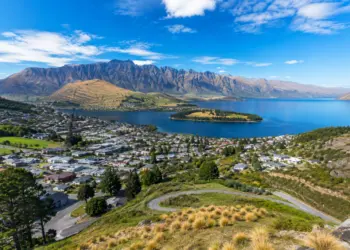
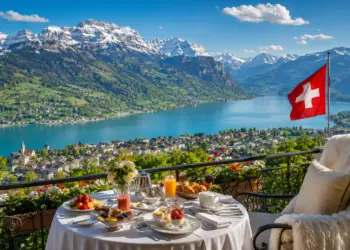
Northern Pakistan especially offers scenery comparable to Switzerland, Iceland, and New Zealand. However, the landscapes feel less crowded and more emotionally immersive. Massive mountain ranges including the Karakoram, Himalayas, and Hindu Kush create some of the most dramatic scenery on Earth. Moreover, glacier fed rivers, alpine lakes, and lush valleys contribute to a constantly changing visual experience.
Affordability also plays an important role in Pakistan’s tourism growth. Premium hotels, guided expeditions, luxury camping, and private transportation remain considerably less expensive than comparable experiences in Europe or North America. Therefore, travelers increasingly view Pakistan as a destination where luxury adventure becomes financially accessible.
Several additional factors continue strengthening Pakistan’s tourism appeal:
• Expanding tourism infrastructure across northern regions
• Improved road networks including modern highways
• Rising investment in boutique resorts and eco lodges
• Increasing international media coverage of Pakistan tourism
• Strong reputation for hospitality and cultural warmth
Meanwhile, digital storytelling has accelerated global curiosity about Pakistan. Travel vloggers and photographers consistently showcase extraordinary scenery that many international audiences had never previously associated with the country. As a result, tourism momentum continues growing rapidly in 2026.
Pakistan’s Most Beautiful Travel Destinations
Pakistan’s landscapes combine scale, diversity, and cultural richness in ways few countries can match. Each region offers a distinct atmosphere shaped by geography, tradition, and history.
Hunza Valley remains one of the country’s most iconic destinations. Surrounded by snow covered peaks and historic forts, the valley combines natural grandeur with cultural sophistication. Moreover, the changing colors of the mountains during sunrise and sunset create extraordinary visual drama. Travelers also admire Hunza for its peaceful atmosphere and elegant hospitality culture.
Skardu continues attracting adventurers and luxury travelers alike. The region serves as a gateway to some of the world’s highest mountains, including K2. However, Skardu offers more than mountaineering prestige. Crystal lakes, desert landscapes, and dramatic valleys create a surreal environment that feels cinematic and timeless.
Meanwhile, Naran Kaghan Valley remains popular for its accessibility and scenic beauty. Rivers, pine forests, waterfalls, and alpine meadows attract families, photographers, and road trip enthusiasts throughout the summer season.
Fairy Meadows delivers one of Pakistan’s most unforgettable mountain experiences. Located beneath Nanga Parbat, the area offers sweeping alpine scenery and remarkable night skies. Consequently, it has become a major destination for nature photographers and adventure travelers.
Table 1
| Destination | Region | Signature Attraction | Best Season | Travel Experience |
|---|---|---|---|---|
| Hunza Valley | Gilgit Baltistan | Mountain scenery and forts | Spring and Autumn | Cultural luxury escape |
| Skardu | Gilgit Baltistan | Lakes and high peaks | Summer | Adventure and premium tourism |
| Fairy Meadows | Northern Pakistan | Nanga Parbat views | Summer | Trekking and camping |
| Swat Valley | Khyber Pakhtunkhwa | Forest valleys | Spring and Summer | Nature retreat |
| Lahore | Punjab | Mughal heritage | Winter | Cultural exploration |
Swat Valley offers a softer and greener landscape compared to the rugged terrain of Gilgit Baltistan. Flowing rivers, orchards, and forest covered mountains create an atmosphere of serenity. Additionally, luxury riverside resorts increasingly attract domestic travelers seeking peaceful escapes.
Attabad Lake has become one of Pakistan’s most visually recognizable destinations. Its turquoise water contrasts dramatically against surrounding mountains, creating scenery that appears almost unreal. Boat rides and lakeside cafés have transformed the region into a premium leisure destination.
Deosai National Park meanwhile offers an entirely different experience. Vast open plains surrounded by mountains create an atmosphere of isolation and grandeur. Wildflowers bloom across the landscape during summer, while wildlife sightings add further appeal for nature enthusiasts.
Neelum Valley in Azad Kashmir combines forests, rivers, and mountain villages with extraordinary scenic beauty. The valley feels deeply tranquil and emotionally immersive. Therefore, it increasingly attracts travelers seeking slower and more reflective experiences.
Beyond natural landscapes, Pakistan’s beauty also emerges through historic destinations such as Mohenjo daro and Lahore. Mohenjo daro reveals the sophistication of one of the world’s oldest civilizations, while Lahore represents the artistic and cultural soul of Pakistan through Mughal architecture, cuisine, and vibrant urban life.
Luxury and Adventure Tourism in Northern Pakistan
Northern Pakistan is evolving rapidly beyond traditional backpacking tourism. Boutique resorts, luxury camps, and premium travel experiences increasingly redefine how travelers explore the region. Consequently, Pakistan now appeals not only to adventure seekers but also to affluent travelers seeking exclusivity and comfort.
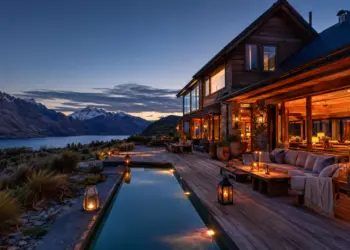
Luxury mountain retreats in Hunza and Skardu blend modern design with local architectural influences. Large panoramic windows, organic materials, and private terraces allow travelers to remain visually connected to the surrounding landscape. Meanwhile, personalized hospitality creates experiences that feel intimate rather than commercial.
Glamping culture has also expanded significantly across northern destinations. Premium camps now offer heated interiors, curated dining experiences, and private excursions while maintaining close proximity to nature. Therefore, travelers can experience wilderness without sacrificing comfort.
Several premium travel trends continue shaping tourism growth:
• Scenic private road trips along the Karakoram Highway
• Helicopter tours across mountain regions
• Luxury trekking expeditions with professional guides
• Eco conscious boutique resorts
• Photography focused travel experiences
Adventure tourism additionally remains central to Pakistan’s identity. Trekking, mountaineering, rafting, and off road exploration attract travelers seeking physical challenge and emotional discovery. However, the modern tourism industry increasingly combines adventure with comfort and sophistication.
The Cultural Beauty of Pakistan Beyond Landscapes
Pakistan’s cultural richness significantly enhances its tourism appeal. While mountains and valleys often attract international attention first, the country’s traditions, architecture, cuisine, and hospitality create deeper emotional connections for travelers.
Lahore especially represents Pakistan’s cultural elegance. Mughal landmarks including Badshahi Mosque and Lahore Fort reflect centuries of artistic achievement and architectural sophistication. Moreover, the city’s vibrant food culture transforms dining into a deeply social and sensory experience.
Regional diversity also defines Pakistan’s cultural landscape. Each province offers distinct languages, traditions, clothing styles, and culinary identities. Consequently, travelers experience constant variation while moving across the country.
Several cultural elements strongly enrich tourism experiences:
• Traditional artisan markets and handcrafted textiles
• Historic mosques and heritage architecture
• Regional cuisine and tea culture
• Folk music and local festivals
• Spiritual and historical tourism routes
Meanwhile, hospitality remains one of Pakistan’s most admired qualities. Visitors frequently describe extraordinary kindness from local communities across both cities and remote mountain regions. As a result, many travelers develop strong emotional attachments to the country beyond its scenery alone.
Table 2
| Travel Style | Destination Type | Experience Level | Tourism Appeal | Luxury Potential |
| Adventure Travel | Mountain regions | High | Trekking and exploration | Growing rapidly |
| Cultural Tourism | Historic cities | Moderate | Heritage and cuisine | Strong |
| Eco Tourism | National parks | Moderate | Nature immersion | Expanding |
| Luxury Travel | Boutique resorts | Premium | Comfort and exclusivity | High |
| Photography Tourism | Scenic valleys | All levels | Visual storytelling | Significant |
Social Media and Pakistan’s Tourism Boom
Social media has transformed Pakistan’s tourism visibility more dramatically than traditional marketing campaigns ever could. Stunning drone footage, cinematic travel reels, and immersive photography increasingly showcase Pakistan’s beauty to global audiences.
Instagram especially has played a major role in reshaping international perceptions. Travelers frequently share images of turquoise lakes, dramatic mountain roads, and ancient architecture that appear visually extraordinary even among global travel destinations. Consequently, curiosity about Pakistan has increased substantially among younger travelers.
Travel vloggers have also contributed significantly to tourism growth. International creators documenting road trips through Hunza, Skardu, and Fairy Meadows often emphasize both natural beauty and local hospitality. Meanwhile, cinematic drone footage has elevated Pakistan’s landscapes into globally recognizable travel imagery.
Several digital trends continue accelerating tourism growth:
• Viral mountain photography content
• Luxury travel reels and cinematic storytelling
• Adventure travel documentaries
• Drone based landscape tourism
• Influencer collaborations with tourism authorities
As a result, tourism marketing increasingly relies on emotional visual storytelling rather than conventional advertising. Pakistan’s dramatic geography naturally supports this digital transformation.
Why Pakistan Appeals to Modern Travelers?
Modern travelers increasingly seek authenticity rather than heavily commercialized experiences. Pakistan aligns perfectly with this shift because much of the country still feels raw, genuine, and emotionally powerful.
Travelers often describe Pakistan as deeply immersive because the scenery remains closely connected to local life and culture. Moreover, tourism experiences frequently feel spontaneous rather than overly curated. This authenticity creates stronger emotional engagement.
Meanwhile, overcrowded tourism hubs across Europe and Southeast Asia have encouraged travelers to search for alternative destinations. Pakistan offers dramatic landscapes without overwhelming tourist density. Consequently, visitors often experience a stronger sense of personal discovery.
Several psychological factors explain Pakistan’s rising appeal:
• Desire for emotional connection with nature
• Growing interest in hidden destinations
• Search for authentic cultural interaction
• Preference for experiential travel over luxury consumption
• Interest in meaningful exploration and storytelling
Additionally, Pakistan combines affordability with extraordinary visual impact. Travelers can experience premium accommodations, private transport, and world class scenery at comparatively lower costs than many established luxury destinations.
The Future of Tourism in Pakistan Beyond 2026
Pakistan’s tourism future appears increasingly promising. Government initiatives, private investment, and international attention continue strengthening the industry’s long term growth potential.
Luxury hospitality infrastructure is expanding steadily across northern regions. Boutique hotels, eco lodges, and premium resorts increasingly cater to international travelers seeking elevated experiences. Meanwhile, sustainable tourism initiatives encourage environmentally responsible development.
Eco tourism especially may become one of Pakistan’s defining strengths in the coming years. Protected landscapes including Deosai National Park and mountain conservation regions create opportunities for environmentally conscious tourism growth. Therefore, Pakistan could emerge as a leading destination for sustainable mountain travel.
Several trends are likely to shape the future of tourism:
• Expansion of luxury mountain resorts
• Smart tourism and digital booking systems
• International travel partnerships
• Eco conscious tourism policies
• Greater global media exposure
Moreover, younger travelers increasingly prioritize emotional and transformative experiences over conventional tourism checklists. Pakistan’s landscapes naturally align with this evolving travel philosophy.
Unique Insight Section
Pakistan’s most beautiful travel destinations represent more than scenic tourism. They reflect a broader transformation occurring across global travel culture itself. Increasingly, travelers seek authenticity, emotional exploration, and meaningful connection rather than purely commercial entertainment.
Pakistan offers a rare combination of untouched nature and cultural depth. The country’s landscapes still feel wild and deeply personal. Meanwhile, its hospitality culture creates emotional warmth that many travelers struggle to find in heavily commercialized destinations.
Luxury tourism is also evolving globally. Travelers no longer define luxury solely through extravagant hotels or shopping districts. Instead, many now value exclusivity, silence, nature, and emotional immersion. Consequently, mountain retreats, eco lodges, and experiential journeys across Pakistan increasingly represent the future of premium tourism.
Social media has accelerated this transformation by exposing global audiences to destinations previously overlooked. Pakistan’s mountains, lakes, and valleys now appear regularly across international travel content, dramatically reshaping global perceptions.
Ultimately, Pakistan’s beauty extends beyond scenery alone. Its true appeal emerges through the combination of landscapes, hospitality, cultural diversity, and the powerful feeling of discovery that travelers experience throughout the country.
Read also: Cities Every Solo Traveler Should Visit
FAQs
What are the most beautiful places to visit in Pakistan?
Hunza Valley, Skardu, Fairy Meadows, Swat Valley, Neelum Valley, and Attabad Lake rank among the most beautiful destinations in Pakistan.
Is Pakistan safe for tourists in 2026?
Tourism infrastructure and security measures have improved significantly in major travel regions, especially across Northern Pakistan.
Which valley is most beautiful in Pakistan?
Many travelers consider Hunza Valley the most beautiful because of its dramatic mountains, cultural richness, and scenic villages.
What is the best time to visit Northern Pakistan?
Summer and early autumn offer the best weather conditions for most northern destinations.
Why is Pakistan becoming popular for tourism?
Pakistan attracts travelers because of its untouched landscapes, affordability, hospitality, and growing social media exposure.
What are the best luxury travel experiences in Pakistan?
Luxury mountain resorts, glamping retreats, scenic road trips, and premium trekking experiences are increasingly popular.
Which lakes are famous in Pakistan?
Attabad Lake, Saif ul Malook, Shangrila Lake, and Rush Lake are among the country’s most famous lakes.
What makes Hunza Valley special?
Hunza Valley combines extraordinary mountain scenery, historic forts, peaceful villages, and exceptional hospitality.
Is Pakistan good for adventure tourism?
Pakistan offers world class trekking, mountaineering, rafting, camping, and off road travel experiences.
What is the future of tourism in Pakistan?
Pakistan’s tourism industry is expected to grow through eco tourism, luxury hospitality investment, and international travel partnerships.