

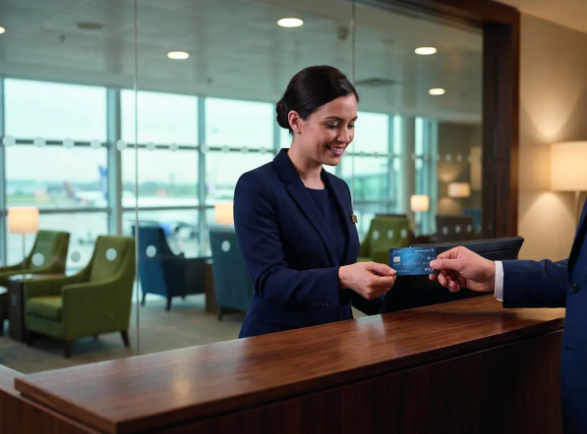

Have you ever wondered how frequent flyers maintain their composure during chaotic holiday travel seasons? Long lines at Transportation Security Administration checkpoints and crowded terminal gates make modern air travel exhausting for many passengers. However, securing airport lounge access transforms this chaotic experience into a calm, productive pre-flight routine where you escape the noise of the main concourse and gain entry to complimentary food, fast Wi-Fi, and comfortable seating.
Historically, airlines reserved these quiet spaces exclusively for first-class passengers and million-miler frequent flyers. Today, the market offers numerous pathways for everyday travelers to step behind the frosted glass doors. Credit card issuers and independent networks democratized the system, creating options for almost every budget and travel frequency through various travel perks.
Finding the most cost-effective entry method requires a solid understanding of your own travel habits and preferences. Frequent business travelers might justify premium annual fees, while casual vacationers might prefer purchasing single-use entry tickets. This comprehensive guide outlines the exact strategies you can use to upgrade your next layover experience.
For decades, the airline industry used private terminal clubs as a marketing tool for their highest-paying customers. These spaces offered quiet refuge, basic snacks, and dedicated customer service agents who could rebook canceled flights. The business model shifted dramatically when financial institutions realized that travel perks attract high-net-worth consumers.
Banks began partnering with airlines and independent operators to bundle club entry with their premium credit products. This transition flooded the market with new visitors, prompting operators to expand their physical footprints and upgrade their amenities. Modern facilities now feature chef-driven dining, premium cocktail bars, and even spa services or shower suites as part of their airport amenities.
According to industry reports from groups like the International Air Transport Association, premium passenger traffic continues to grow steadily. This growth places pressure on operators to balance exclusivity with the financial incentives of mass entry programs. Travelers must move through these crowded networks strategically to find spaces that still offer genuine relaxation.
- Airport lounges transitioned from exclusive airline perks to accessible consumer products.
- Credit card partnerships drove massive expansion and amenity upgrades across the industry.
- Strategic planning helps travelers avoid overcrowded facilities during peak departure times.
Leveraging a Premium Travel Credit Card for Airport Lounge Access
Holding a premium travel credit card remains the most popular method for securing airport lounge access today. Cards like the American Express Platinum or the Chase Sapphire Reserve charge high annual fees, typically ranging from $400 to $695. In exchange, cardholders receive comprehensive entry privileges that often outweigh the initial out-of-pocket cost, especially if they fly multiple times per year.
American Express operates its own proprietary network of Centurion Lounge locations across major domestic transit hubs like Dallas and Miami. These locations feature premium food options, specialty cocktails, and strict entry requirements that prioritize their own active cardholders. Other financial institutions recently followed suit, with Chase and Capital One opening competing branded spaces in select high-traffic terminals.
Beyond proprietary spaces, these credit cards usually include complimentary memberships to third-party networks. This bundled approach provides a safety net when you fly through smaller regional airports lacking branded facilities. You should carefully review the guest policies for each card, as many issuers recently restricted complimentary guest privileges.
Many premium credit cards allow you to add authorized users for a reduced fee, granting family members their own independent lounge access.
Priority Pass and Independent Lounge Membership Networks
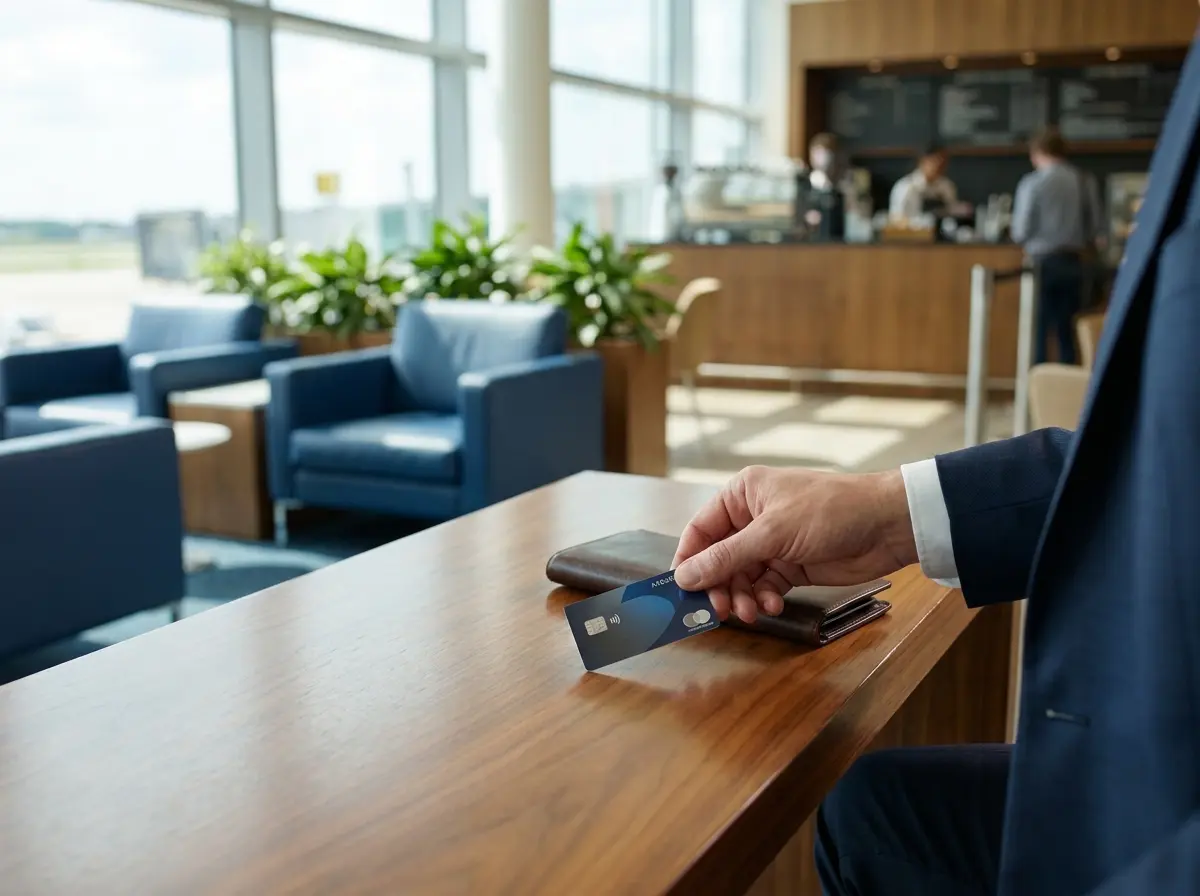
If you prefer not to open a high-fee credit card, independent membership networks like Priority Pass offer a highly viable alternative. Priority Pass stands as the largest player in this space, boasting over 1,300 affiliated locations in airports worldwide. Consumers can purchase an annual subscription directly through the Priority Pass website, choosing from several different usage tiers that match their budget.
The standard membership requires a low upfront fee but charges a fixed rate for every individual visit. Conversely, the prestige tier demands a high annual payment but covers unlimited visits throughout the calendar year. This flexible pricing structure accommodates both the occasional vacationer and the relentless corporate road warrior.
DragonPass is another formidable competitor that has gained significant traction in international markets and Asian hubs. They offer a similar tiered subscription model but often partner with different local operators than their main rivals. Evaluating the specific airports you visit most frequently will dictate which independent lounge membership provides the best value.
Purchasing Single-Use Day Passes for Flexible Airport Club Entry
For travelers who fly infrequently, committing to an annual premium credit card fee makes little financial sense. Many network operators and airlines sell single-use day passes directly at the reception desk for immediate entry. These passes typically cost between $40 and $75, depending on the specific location and the included amenities.
Purchasing a day pass provides a low-risk opportunity to test a facility before buying a full subscription. You can evaluate the food quality, the seating comfort, and the overall atmosphere during your actual transit window. This strategy works exceptionally well during long layovers where terminal restaurant meals would easily exceed the cost of the pass.
However, operators strictly limit day pass sales during peak operating hours to prevent severe overcrowding inside the airport club. If the facility reaches capacity with its elite members and cardholders, staff will immediately suspend single-use purchases. You should always maintain a backup plan for terminal dining if your preferred club turns you away.
How to Build Your Strategic Airport Lounge Access Plan
Developing a reliable plan for airport lounge access requires careful analysis of your historical travel patterns. Which entry method provides the highest return on investment for your specific flight frequencies? The following steps will help you determine the most logical path forward for your specific financial situation.
How to Select the Right Lounge Program
Audit Your Travel History
Review your past year of flights to identify your most frequented airports and preferred commercial airlines.
Evaluate Your Home Airport
Research which specific clubs operate at your local terminal and note their broader network affiliations.
Calculate the Break-Even Point
Compare the annual cost of credit cards or memberships against what you normally spend on terminal food.
After selecting a strategy, you must familiarize yourself with the specific entry rules for your chosen method. Many facilities require a same-day boarding pass and restrict entry to three hours before your scheduled departure. Understanding these logistical constraints prevents frustrating rejections at the reception desk during your next trip.
Additionally, consider downloading the dedicated mobile applications for whichever network or credit card you select. These digital tools provide real-time updates on operating hours, location details, and current capacity constraints. Read our guide to essential travel apps to discover other software that streamlines the transit experience.
Maximizing Airline Elite Status and International Access Requirements
Achieving airline elite status with a major commercial carrier provides another traditional route to premium club entry. Carriers reward their most loyal and profitable customers with complimentary access during international itineraries. The three major global alliances maintain reciprocal agreements that standardize these benefits across dozens of participating countries.
For example, holding Star Alliance Gold status grants you entry to partner facilities across the globe, regardless of your cabin class. You simply present your frequent flyer credential and your international boarding pass at the reception desk. However, US-based airlines maintain strict rules that generally exclude domestic itineraries from these complimentary status benefits.
If you fly exclusively within the United States, you typically must purchase a separate annual club membership. Delta Sky Club, United Club, and American Airlines Admirals Club all sell direct subscriptions to their frequent flyers. These memberships cost hundreds of dollars annually, making them practical only for travelers who heavily concentrate their flying on one specific carrier.
Domestic airlines aggressively cap lounge capacity during peak travel hours, which frequently leads to long standby lines outside the entrance doors.
Airlines continuously adjust their qualification metrics, often requiring higher spending thresholds to reach the necessary elite tiers. This inflation makes chasing status solely for club entry a mathematically poor decision for most consumers. You should view status-based access as a supplementary benefit rather than the primary goal of your loyalty strategy.
Furthermore, international partner lounges sometimes restrict access during their own peak departure banks. You might present a valid Star Alliance Gold card but still face rejection if the facility prioritizes its own ticketed business-class passengers. Always check the official airline website for current access alerts before arriving at the airport.
Many frequent flyers mitigate these risks by holding multiple forms of entry credentials. Combining airline elite status with an independent network membership provides a reliable backup plan when one facility turns you away. This redundancy guarantees you always have a quiet place to work or relax before your flight boards.
- Elite status provides excellent lounge value during international travel on major alliances.
- Domestic flights rarely qualify for complimentary status-based entry on US carriers.
- Holding multiple entry methods prevents disappointment when individual clubs reach capacity.
Final Thoughts on Securing Premium Airport Lounge Access
Securing airport lounge access fundamentally changes how you perceive commercial air travel and long layovers. The chaotic terminal environment fades away, replaced by comfortable seating, reliable power outlets, and complimentary refreshments. This upgrade reduces travel fatigue and allows professionals to maintain their productivity while on the road.
While the initial costs might seem high, frequent travelers easily recoup their investment through free meals and beverages. By carefully matching your flight habits with the right travel credit card or membership, you maximize your return on investment. Evaluate your options carefully, read the terms and conditions, and start enjoying a better transit experience.
As the travel industry continues recovering and expanding, operators will likely introduce new pricing models and access tiers. Staying informed about these policy changes helps you maintain your privileges without paying unnecessary fees. You hold the power to control your travel environment, so make the choices that best support your journey.