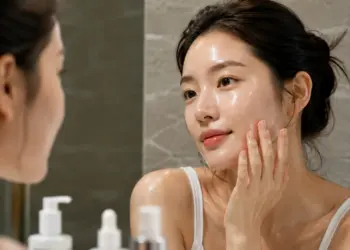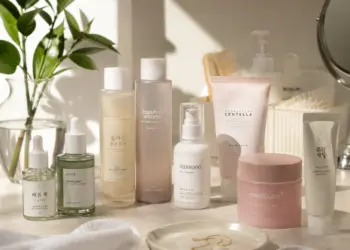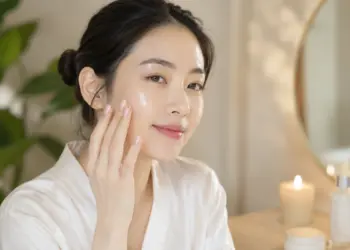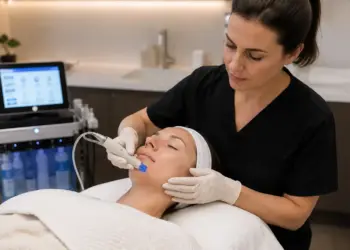

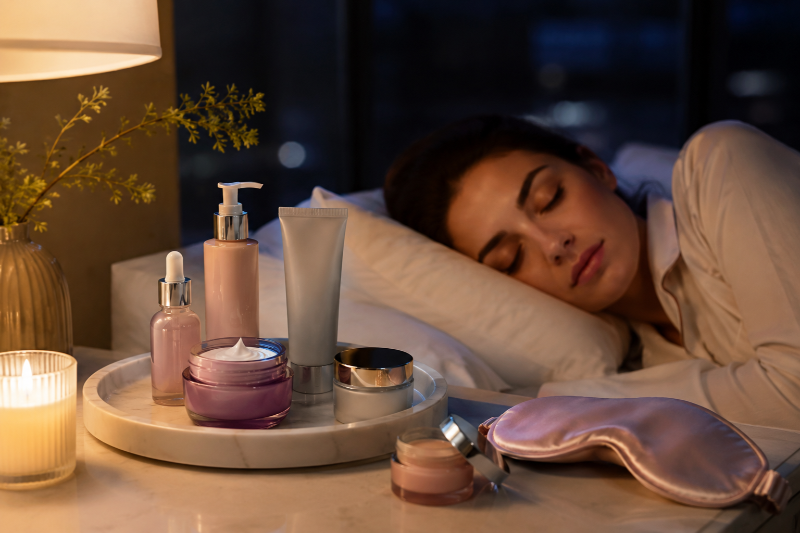
The beauty industry in 2026 has entered a distinctly different era, and overnight beauty treatments sit at the center of this transformation. Consumers no longer view skincare as a purely corrective process focused on quick daytime fixes. Instead, modern beauty culture increasingly prioritizes recovery, restoration, and long term skin resilience. As a result, nighttime skincare rituals have evolved from optional routines into highly curated wellness experiences designed to work while the body rests.
The growing popularity of overnight beauty treatments reflects broader cultural changes surrounding stress management, sleep quality, and intentional self care. Meanwhile, luxury skincare brands continue investing heavily in treatment serums, overnight masks, peptide rich creams, and biotechnology powered recovery formulas that promise visible results by morning. Consumers increasingly gravitate toward skincare products that function passively during sleep because these routines feel both efficient and emotionally restorative.
Moreover, sleep driven skin regeneration has become a major talking point across dermatology, wellness media, and social platforms. Scientific research surrounding circadian rhythm repair, collagen renewal, and overnight hydration retention has strengthened consumer confidence in nighttime skincare products. Consequently, beauty is becoming recovery focused rather than aggressively corrective.
This shift also aligns with the rise of minimalist skincare routines. Rather than layering ten separate daytime products, consumers increasingly prefer fewer high performance formulations capable of delivering maximum results overnight. Therefore, overnight beauty treatments now symbolize a fusion of science backed skincare, emotional wellness, and luxury self care rituals designed for modern lifestyles.
Why Overnight Beauty Treatments Are Dominating Skincare in 2026?
The demand for time efficient beauty solutions continues reshaping the skincare industry. Consumers increasingly seek products that integrate seamlessly into busy schedules without requiring constant maintenance throughout the day. Overnight beauty treatments satisfy this demand by transforming sleep into an active beauty window.
Moreover, recovery focused skincare has emerged as a dominant category because modern consumers experience rising levels of stress, environmental exposure, and digital fatigue. Nighttime routines now emphasize skin barrier restoration, hydration recovery, and inflammation reduction rather than aggressive exfoliation alone. Consequently, the idea of “beauty while sleeping” feels both practical and aspirational.
The evolution of minimalist skincare routines also accelerated this movement. Many consumers grew exhausted by complicated multi step systems popular during earlier skincare trends. In contrast, overnight treatments promise simplified effectiveness through concentrated formulations designed to work during the skin’s natural repair cycle.
Several consumer behavior shifts explain this dominance:
- Growing fatigue with overly complicated skincare systems
- Increased interest in skin cycling and repair focused routines
- Preference for multifunctional products with visible results
- Rising wellness culture influence on purchasing habits
- Desire for emotionally calming nighttime rituals
Additionally, passive beauty solutions now signal modern luxury. Consumers increasingly associate luxury with convenience, efficiency, and quiet wellness rather than excessive consumption. Therefore, overnight beauty treatments appeal strongly to individuals seeking elevated yet effortless skincare experiences.
The Science Behind Beauty Sleep and Skin Repair
Scientific interest in beauty sleep has expanded dramatically in recent years. Dermatologists and skincare researchers increasingly emphasize that nighttime represents the body’s most effective recovery period. During sleep, the skin enters an intensive regeneration phase linked closely to circadian rhythm activity.
Collagen production naturally increases overnight, which supports elasticity, firmness, and long term skin resilience. Meanwhile, blood flow to the skin improves during deeper sleep cycles, allowing nutrients and oxygen to reach damaged tissues more effectively. As a result, nighttime skincare products often penetrate more efficiently than daytime alternatives.
Additionally, hydration retention improves overnight because the skin experiences fewer environmental stressors such as UV exposure, pollution, and temperature fluctuations. Many overnight face masks and treatment creams specifically target trans epidermal water loss, helping maintain moisture balance throughout the night.
Cortisol reduction also plays an important role in skin health. Elevated stress hormones contribute to inflammation, breakouts, and premature aging. However, restful sleep helps regulate cortisol levels, creating a more supportive environment for skin recovery and repair.
| Treatment Type | Overnight Function | Daytime Alternative | Skin Benefit | Consumer Appeal |
|---|---|---|---|---|
| Sleeping masks | Deep hydration recovery | Lightweight moisturizer | Improved skin barrier | Low effort skincare |
| Retinol serums | Cellular renewal | Day creams | Texture refinement | Anti aging efficiency |
| Peptide creams | Collagen support | Makeup primers | Firmness improvement | Luxury performance |
| Overnight exfoliants | Gentle resurfacing | Scrubs | Brighter complexion | Minimal routine |
| Barrier repair oils | Moisture sealing | Facial mist | Reduced irritation | Wellness focused care |
Therefore, nighttime increasingly represents the most effective skincare window because the body naturally prioritizes restoration during sleep.
Luxury Beauty Brands Leading the Overnight Treatment Movement
Luxury skincare brands have rapidly repositioned overnight beauty treatments as essential investments rather than optional products. High end beauty marketing increasingly frames sleep itself as a form of skincare therapy.
La Mer, for example, continues emphasizing overnight recovery through nutrient rich formulas designed to strengthen skin resilience while sleeping. Meanwhile, Estée Lauder’s Advanced Night Repair line evolved into one of the most recognizable symbols of sleep focused skincare innovation. Its marketing consistently connects nighttime repair with visible long term skin renewal.
Additionally, Laneige helped normalize sleeping masks globally through Korean skincare influence. The brand transformed overnight hydration products into mainstream beauty essentials, particularly among younger consumers seeking simplified routines with noticeable results.
Augustinus Bader also strengthened the luxury overnight treatment category through biotechnology driven repair creams focused on stem cell inspired skin recovery. Consequently, science backed nighttime skincare became increasingly associated with premium beauty experiences.
Several branding strategies dominate this movement:
- Positioning sleep as a beauty investment
- Framing repair as more important than correction
- Combining biotechnology with wellness aesthetics
- Promoting minimalist luxury skincare systems
- Emphasizing visible “morning after” transformation
Korean skincare culture remains particularly influential within overnight beauty trends. The K beauty industry normalized sleeping packs, hydration layering, and restorative nighttime routines long before Western markets fully embraced recovery centered skincare philosophies.
Social Media’s Role in Overnight Beauty Trends
Social media platforms significantly accelerated the popularity of overnight beauty treatments. TikTok, in particular, transformed nighttime skincare rituals into highly visual lifestyle content associated with calmness, self care, and emotional wellness.
“Get unready with me” videos became especially influential because they reframed beauty routines as soothing decompression rituals rather than purely aesthetic maintenance. Meanwhile, creators increasingly emphasize dim lighting, silk robes, ambient music, and carefully curated nighttime product application sequences.
Consequently, overnight skincare gained emotional appeal far beyond visible skin results. Consumers now associate nighttime beauty rituals with stress reduction, mindfulness, and digital detox culture.
Additionally, wellness oriented beauty content performs exceptionally well within algorithm driven platforms because calming visuals encourage longer engagement. Overnight face masks, serum layering, and bedside skincare aesthetics create visually comforting content easily shared across platforms.
Several social media trends contributed to this shift:
- Nighttime skincare ritual videos
- Wellness inspired beauty aesthetics
- Sleep optimization content
- Influencer discussions about skin recovery
- Minimalist “skin first” beauty messaging
Nevertheless, social media also increased consumer awareness regarding ingredient education and formulation science. Many younger consumers now actively research peptides, ceramides, retinoids, and barrier repair ingredients before purchasing overnight products.
| Era | Beauty Trend Focus | Product Style | Consumer Behavior | Industry Direction |
|---|---|---|---|---|
| Early 2010s | Heavy makeup coverage | Full glam products | Corrective beauty focus | Cosmetic enhancement |
| Late 2010s | Complex skincare layering | Multi step systems | Experimental routines | Ingredient obsession |
| Early 2020s | Clean beauty | Simplified formulations | Conscious consumption | Sustainability focus |
| 2026 | Overnight recovery skincare | High performance night products | Wellness centered rituals | Preventative beauty |
Therefore, digital culture normalized nighttime skincare rituals by presenting them as emotionally rewarding experiences connected to broader wellness lifestyles.
How Gen Z Redefined Modern Beauty Routines?
Gen Z consumers fundamentally reshaped skincare priorities across the beauty industry. Unlike previous generations heavily focused on correction and concealment, younger consumers increasingly prioritize prevention, skin longevity, and emotional wellness.
Minimalist skincare systems appeal strongly to Gen Z because these routines align with broader cultural preferences for efficiency, authenticity, and intentional living. Moreover, younger consumers often reject excessive beauty consumption in favor of fewer products with stronger scientific credibility.
Additionally, self care functions as identity expression within Gen Z culture. Nighttime beauty rituals frequently represent moments of emotional regulation and personal restoration rather than purely cosmetic maintenance. Consequently, overnight beauty treatments feel psychologically meaningful alongside their practical benefits.
Gen Z also accelerated interest in science backed skincare formulations. Many younger consumers actively follow dermatologists, cosmetic chemists, and ingredient focused creators online. Therefore, brands increasingly emphasize clinical testing, biotechnology innovation, and evidence driven claims when marketing overnight treatments.
Key Gen Z skincare priorities include:
- Prevention over correction
- Simplified routines with measurable results
- Wellness integrated beauty habits
- Ingredient transparency
- Long term skin barrier protection
On the other hand, younger consumers remain highly skeptical of exaggerated marketing promises. Brands now succeed primarily when they balance luxury aesthetics with scientific legitimacy.
Overnight Beauty Treatments as the New Luxury Ritual
Luxury beauty increasingly revolves around restoration rather than excess. The slow beauty movement helped redefine premium skincare by prioritizing calmness, intentionality, and long term wellness over rapid transformation.
Overnight beauty treatments align perfectly with this philosophy because they encourage consumers to slow down and reconnect with restorative rituals before sleep. Meanwhile, spa inspired nighttime routines continue gaining popularity among consumers seeking emotional comfort during periods of stress and overstimulation.
Additionally, high performance ingredients now dominate luxury nighttime skincare innovation. Peptides, ceramides, encapsulated retinol, growth factors, and microbiome supporting compounds increasingly appear in overnight treatment formulas designed to maximize skin recovery while minimizing irritation.
The aesthetics surrounding these products also matter significantly. Premium minimalist packaging, soft textures, calming scents, and elegant branding contribute to the emotional experience of nighttime skincare rituals.
Several factors explain why overnight treatments symbolize modern luxury:
- Emphasis on wellness and restoration
- Quiet minimalist product aesthetics
- Focus on long term skin longevity
- Emotional comfort associated with rituals
- Science driven premium formulations
In contrast to earlier beauty eras centered around dramatic correction, luxury skincare now emphasizes prevention, resilience, and sustainable skin health.
The Future of Overnight Beauty Treatments in 2026 and Beyond
The future of overnight beauty treatments will likely become increasingly personalized, data driven, and technologically advanced. AI powered skincare systems already help consumers identify ideal nighttime routines based on skin condition, stress levels, climate exposure, and sleep quality.
Meanwhile, biotech driven repair formulas continue expanding rapidly. Researchers increasingly explore ingredients capable of supporting cellular recovery, strengthening barrier function, and reducing inflammation with greater precision.
Smart sleep tracking beauty systems may also become more integrated into wellness culture. Some brands already experiment with wearable technology capable of analyzing sleep quality alongside skin hydration patterns and environmental exposure.
Additionally, sustainability continues shaping future nighttime skincare development. Refillable packaging systems, concentrated formulas, and water efficient production methods increasingly influence luxury beauty purchasing decisions.
Several emerging innovations may define the next phase of overnight skincare:
- AI personalized nighttime routines
- Adaptive biotechnology formulas
- Sleep tracking integrated skincare systems
- Sustainable refillable treatment packaging
- Dermatology wellness hybrid services
Consequently, the line between skincare, wellness technology, and preventative health will likely continue blurring throughout the coming years.
Read also: Glass Skin Is Still the Biggest Beauty Trend
The Deeper Cultural Meaning Behind Overnight Beauty Treatments
The rise of overnight beauty treatments reflects a much deeper transformation occurring across global beauty culture. Consumers increasingly value efficiency, restoration, and emotional wellbeing over excessive routines or aggressive beauty standards.
Moreover, skincare continues evolving into a wellness centered lifestyle category rather than remaining purely cosmetic. Nighttime routines now function as emotional decompression tools that help consumers transition away from stress, overstimulation, and constant digital engagement.
Luxury beauty brands increasingly understand that consumers seek calmness and psychological comfort alongside visible results. Therefore, skincare marketing now emphasizes longevity, prevention, and resilience instead of dramatic correction alone.
Additionally, future beauty systems may prioritize adaptive nighttime recovery rather than daytime coverage. As science driven skincare innovation advances, overnight routines could become highly individualized recovery programs designed around stress patterns, sleep quality, and environmental exposure.
Overnight beauty treatments are not simply skincare products. They represent a broader cultural shift toward restorative living, intentional self care, and science driven beauty optimization. Consequently, the beauty industry’s future appears increasingly connected to wellness psychology, preventative health, and emotionally supportive rituals designed for modern lifestyles.
FAQs
What are overnight beauty treatments?
Overnight beauty treatments are skincare products designed to work during sleep by supporting hydration, repair, collagen production, and skin recovery.
Why are overnight skincare products trending in 2026?
They align with wellness culture, minimalist beauty routines, and consumer demand for passive high performance skincare solutions.
How does skin repair itself during sleep?
The skin increases cellular regeneration, collagen production, and hydration recovery overnight while experiencing reduced environmental stress exposure.
What ingredients work best overnight?
Retinol, peptides, ceramides, hyaluronic acid, niacinamide, and barrier repair ingredients perform especially well in nighttime formulas.
Are overnight face masks effective?
Yes. Overnight face masks help improve hydration retention, strengthen the skin barrier, and support smoother texture by morning.
Why does Gen Z prefer minimalist skincare?
Gen Z values efficiency, ingredient transparency, wellness integration, and prevention focused beauty routines over excessive product layering.
What is beauty sleep science?
Beauty sleep science explores how sleep quality affects skin regeneration, hydration balance, inflammation levels, and long term skin health.
How do luxury brands market nighttime skincare?
Luxury brands position nighttime skincare as an investment in recovery, wellness, prevention, and long term skin longevity.
Are overnight beauty treatments sustainable?
Many brands increasingly offer refillable packaging, concentrated formulas, and environmentally conscious nighttime skincare systems.
What is the future of skincare trends?
Future skincare trends will likely focus on AI personalization, biotech innovation, wellness integration, and adaptive overnight recovery systems.